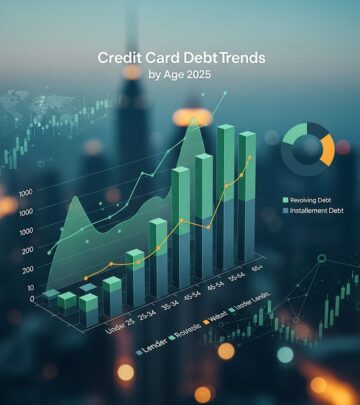
Credit Card Usage Across Generations in 2026
Understanding how different age groups manage credit and debt in today's economy

The way Americans interact with credit cards has shifted dramatically over the past few years, with each generation developing distinct approaches to borrowing, spending, and debt management. Understanding these generational differences provides valuable insight into broader financial trends, consumer behavior, and the evolving relationship between various age groups and credit-based spending.
The Changing Landscape of Credit Card Dependency
Credit cards have transformed from convenient purchasing tools into essential financial instruments for millions of Americans. Today, more than half of U.S. adults rely on credit cards as a primary financial resource to manage everyday expenses such as groceries, utilities, and rent. This fundamental shift reflects ongoing economic pressures, particularly persistent inflation that has forced households to make difficult financial choices.
The prevalence of credit card usage as a survival mechanism represents a significant departure from historical patterns. In recent years, the percentage of Americans turning to credit cards during emergencies has climbed substantially, reaching 61% in 2026—the highest level recorded in three years. This upward trend underscores the financial strain experienced across multiple demographic groups.
Baby Boomers: Established Credit Patterns and Stability
Baby Boomers maintain relatively conservative credit card behaviors compared to younger generations. This age group demonstrates lower rates of card maximization, with only 14% reporting that they have exhausted their credit card limits. Their approach to credit reflects decades of established financial habits and typically includes longer credit histories that facilitate better credit terms and higher credit limits.
The average credit limit for Baby Boomers reaches approximately $42,824, among the highest across all generational cohorts. Despite having access to substantial credit capacity, this generation typically maintains utilization rates below 30% of available credit, demonstrating fiscal discipline and risk awareness. Higher average limits and extended credit histories enable Boomers to access credit on favorable terms.
However, Boomers face unique financial pressures that increasingly drive credit card usage. Rising healthcare expenses, fixed or semi-fixed retirement incomes, and the potential need to support adult children or grandchildren create new borrowing demands in later life stages. Despite these challenges, Boomers maintain concern about credit card debt, though their anxiety levels differ markedly from younger cohorts.
Generation X: The Sandwich Generation’s Credit Burden
Generation X occupies a distinctive financial position as the “sandwich generation,” often managing multiple competing financial obligations simultaneously. This cohort frequently balances mortgage payments, college tuition expenses for their children, and caregiving responsibilities for aging parents. These overlapping financial demands create substantial strain on household budgets.
The credit card debt patterns for Generation X reflect this complex financial landscape. With average credit limits of $40,551, members of this generation maintain access to substantial borrowing capacity. However, this availability correlates with elevated debt levels, as Gen X carries the largest credit card balances among all generational groups.
Generation X demonstrates maxing-out rates of approximately 39%, significantly higher than Baby Boomers but somewhat lower than Millennials. Additionally, 42% of Gen X report using credit cards for everyday purchases, indicating reliance on revolving credit for routine expenses. Variable interest rates exceeding 20% compound the burden for those carrying monthly balances, making debt repayment increasingly challenging.
Interest-saving strategies such as balance transfer offers with 0% introductory rates or debt avalanche repayment methods could provide particular value for this generation. Given their substantial debt loads and competing financial obligations, Gen X members benefit from deliberately structured debt reduction approaches.
Millennials: Navigating Economic Headwinds and Strategic Debt Management
Millennials demonstrate markedly different credit card behaviors compared to older generations, reflecting formative experiences during economic downturns and evolving consumer preferences. This generation shows maxing-out rates of 42%, indicating substantial proportions of Millennials have exhausted at least one credit card account. Such patterns reflect ongoing inflation pressures and economic uncertainty affecting younger adults.
Millennials typically maintain three to four open credit card accounts, broadening their total available credit capacity but potentially encouraging spending across multiple cards. The average credit limit for Millennials stands at approximately $29,665, substantially lower than Gen X or Baby Boomers but reflecting their lower average age and relatively recent entry into the credit system.
This generation uses approximately 30% or more of available credit, approaching or exceeding the threshold at which credit scoring impacts become measurable. Millennials encounter multiple financial obligations including mortgage debt for homebuyers, student loan repayment, childcare expenses, and supporting aging parents. The median first-time home buyer in this demographic is now 38 years old, often reflecting delayed home purchases due to earlier financial constraints.
Despite financial pressures, Millennials demonstrate increasing flexibility in payment methods and spending strategies. This generation actively evaluates various financial tools including buy now, pay later (BNPL) options, particularly for discretionary purchases. The willingness to shift between payment methods based on available incentives and cash flow management needs distinguishes Millennials’ approach to credit and consumption.
Generation Z: Digital-Native Payment Behaviors and Strategic Spending
Generation Z approaches credit cards and payments with fundamentally different strategies compared to their predecessors, reflecting digital-native preferences and experiences growing up during economic uncertainty. More than 20% of Gen Z respondents indicate they never use credit cards, demonstrating lower reliance on traditional revolving credit compared to older cohorts.
Only 29% of Generation Z cardholders own three or more credit cards, substantially lower than 49% of Millennials or 57% of Baby Boomers. This reduced card accumulation reflects both the generation’s preference for alternative payment methods and potential credit limits that may constrain their options.
The average credit limit for Gen Z reaches approximately $14,195, the lowest among generational cohorts and reflecting both younger age profiles and shorter credit histories. Despite these constraints, 35.7% of Gen Z cardholders indicate they would increase their card usage if credit limits were higher, suggesting appetite for additional credit access.
Generation Z demonstrates significantly greater concern about credit card debt than older generations, with only 8% reporting no concern about credit obligations compared to 26% of Baby Boomers. This heightened anxiety may reflect formative experiences during economic downturns and greater awareness of debt’s long-term financial implications.
The defining characteristic of Generation Z’s financial behavior is payment fluidity—the tendency to strategically select among multiple payment options depending on available rewards, cash flow management needs, and spending context. Rather than defaulting to a single payment method, Gen Z members evaluate options including credit cards, debit cards, digital wallets, peer-to-peer payment applications, and BNPL services for each transaction.
The Rise of Alternative Payment Methods
Digital wallet adoption continues accelerating across all age groups, though with varying adoption rates. Approximately 31.2% of U.S. consumers used digital wallets for in-store purchases in September 2025, with projections suggesting 68.9% of U.S. adults will be mobile wallet users by 2028.
Generation Z leads digital wallet adoption, with 67.1% of Gen Z mobile smartphone users expected to become proximity mobile payment users by 2027. Apple Wallet maintains the largest user base among digital wallet options, followed by Google Wallet and Samsung Wallet. This shift toward digital payment methods offers convenience, security benefits, and alignment with younger consumers’ technological preferences.
Buy now, pay later services represent another significant alternative payment mechanism gaining traction across generational lines. However, adoption rates vary dramatically. During the 2025 holiday shopping season, 35% of Gen Z shoppers planned to use BNPL for gift purchases, compared to 25% of Millennials, 13% of Gen X, and only 6% of Baby Boomers.
Payment Preferences and Control
Generational differences extend to preferences regarding payment flexibility and control mechanisms. Among Gen Z cardholders, 35.7% indicated they would use their primary credit card more frequently if credit limits were higher, while 47.7% expressed desire for greater payment control options.
These preferences suggest that credit card issuers targeting younger consumers should emphasize payment flexibility and control features over rewards programs. As Generation Z gains economic influence and purchasing power, financial institutions adapting their product offerings to accommodate preferences for customizable payment options and spending controls may develop competitive advantages.
Comparative Debt and Credit Utilization Patterns
| Generation | Average Credit Limit | Maxing Out Rate | Credit Utilization Pattern |
|---|---|---|---|
| Gen Z | $14,195 | Not specified | Strategic, alternative payment focused |
| Millennials | $29,665 | 42% | 30% or more of available credit |
| Gen X | $40,551 | 39% | Elevated due to competing obligations |
| Baby Boomers | $42,824 | 14% | Below 30% utilization threshold |
Inflation’s Disproportionate Impact on Younger Generations
Persistent inflation has created measurable disparities in how generations experience financial pressure. Fifty-six percent of Gen Z report that rising prices have forced them to adjust their financial behaviors or spending patterns. This inflationary pressure contributes to higher rates of credit card dependency among younger adults who have fewer accumulated financial resources or established income streams.
Approximately 57% of all surveyed adults report carrying larger monthly credit card balances than they did one year prior, directly attributable to inflation pressures. Americans carrying five-figure credit card balances increased from 23% in 2025 to 29% in 2026, representing the largest year-over-year increase in three years. This escalation reflects widespread financial strain affecting multiple demographic segments.
The Evolving Credit Card Industry Landscape
The credit card industry continues evolving in response to changing consumer behaviors and competitive pressures. Credit card issuers have implemented increasingly complex rewards programs, with many cards now featuring tiered earning structures, category bonuses, and specialized redemption options.
Annual fees have risen substantially across card categories. What was once rare—triple-digit annual fees—has become common practice, with many premium cards charging $500 or more and even midtier options now featuring $150 annual fees. These fee increases reflect issuers’ responses to changing profitability dynamics and competitive positioning within the market.
Visa continues dominance of U.S. card networks, with projected 2026 transaction values of $7.428 trillion, while Mastercard maintains the second position. These major networks continue investing in digital payment technologies, security enhancements, and fraud prevention mechanisms to maintain consumer confidence and competitive positioning.
Credit Scores and Economic Well-Being Implications
Average FICO scores for the United States have declined slightly to 715, down two points from the prior year. This modest decline reflects ongoing economic pressures and elevated credit utilization patterns across multiple demographic segments. Credit scores influence access to credit, interest rates on loans, and various financial opportunities, making score maintenance increasingly important amid economic uncertainty.
Strategic Considerations for Each Generation
Baby Boomers should continue leveraging their established credit positions while monitoring healthcare-related expenses that may increase debt in retirement years. Maintaining credit utilization below 30% and paying balances in full when possible preserves favorable credit terms and manages interest expenses.
Generation X members benefit from prioritizing high-interest debt elimination, exploring balance transfer offers, and implementing structured repayment strategies like debt avalanche methods. Managing multiple competing financial obligations requires deliberate budgeting and strategic allocation of available resources.
Millennials should evaluate their portfolio of open credit card accounts, considering whether maintaining multiple cards aligns with their financial goals or simply encourages excessive spending. Strategic use of rewards programs and promotional offers can provide tangible benefits when paired with disciplined spending practices.
Generation Z members are encouraged to develop credit histories through responsible card usage while maintaining awareness of credit scores and debt implications. Exploring the full range of available payment options allows for optimization based on individual circumstances, though consistent responsible behavior builds long-term financial resilience.
Looking Ahead: The Future of Generational Credit Behaviors
As economic conditions evolve and consumer preferences continue shifting, generational approaches to credit and payments will likely continue diverging. Younger generations’ embrace of digital payment methods, alternative financing options, and strategic payment selection suggests fundamental changes in how future generations interact with traditional credit products.
Financial institutions adapting their product offerings, fee structures, and service delivery mechanisms to accommodate diverse generational preferences will likely maintain competitive advantages as demographics shift. The increasing importance of payment flexibility, transparency, and control mechanisms particularly benefits institutions serving younger consumer segments.
References
- 2026 Survey: As Inflation Pressures Persist, Americans Are Increasingly Relying on Credit Cards to Bridge the Gap — Debt.com. March 16, 2026. https://www.morningstar.com/news/pr-newswire/20260316fl10002/2026-survey-as-inflation-pressures-persist-americans-are-increasingly-relying-on-credit-cards-to-bridge-the-gap
- 5 Credit Card Trends to Watch for in 2026 — NerdWallet. 2026. https://www.nerdwallet.com/credit-cards/news/credit-card-trends-2026
- FAQ on Credit Cards: Payment Networks, Generational Shifts, and the Rise of Financial Media 2026 — eMarketer. 2026. https://www.emarketer.com/content/faq-on-credit-cards–payment-networks–generational-shifts–rise-of-financial-media-2026
- Average Credit Card Debt by Age Group in 2026 — Carry. 2026. https://carry.com/learn/average-credit-card-debt-by-age
- 2026 Credit Payments Trends — Javelin Strategy & Research. 2026. https://javelinstrategy.com/research/2026-credit-payments-trends
Similar Articles








Read full bio of Sneha Tete