Credit Card Signatures Are Going Away: Should You Be Worried?
Discover why credit card signatures are disappearing, the role of chip technology in boosting security, and whether this shift affects your protection as a consumer.
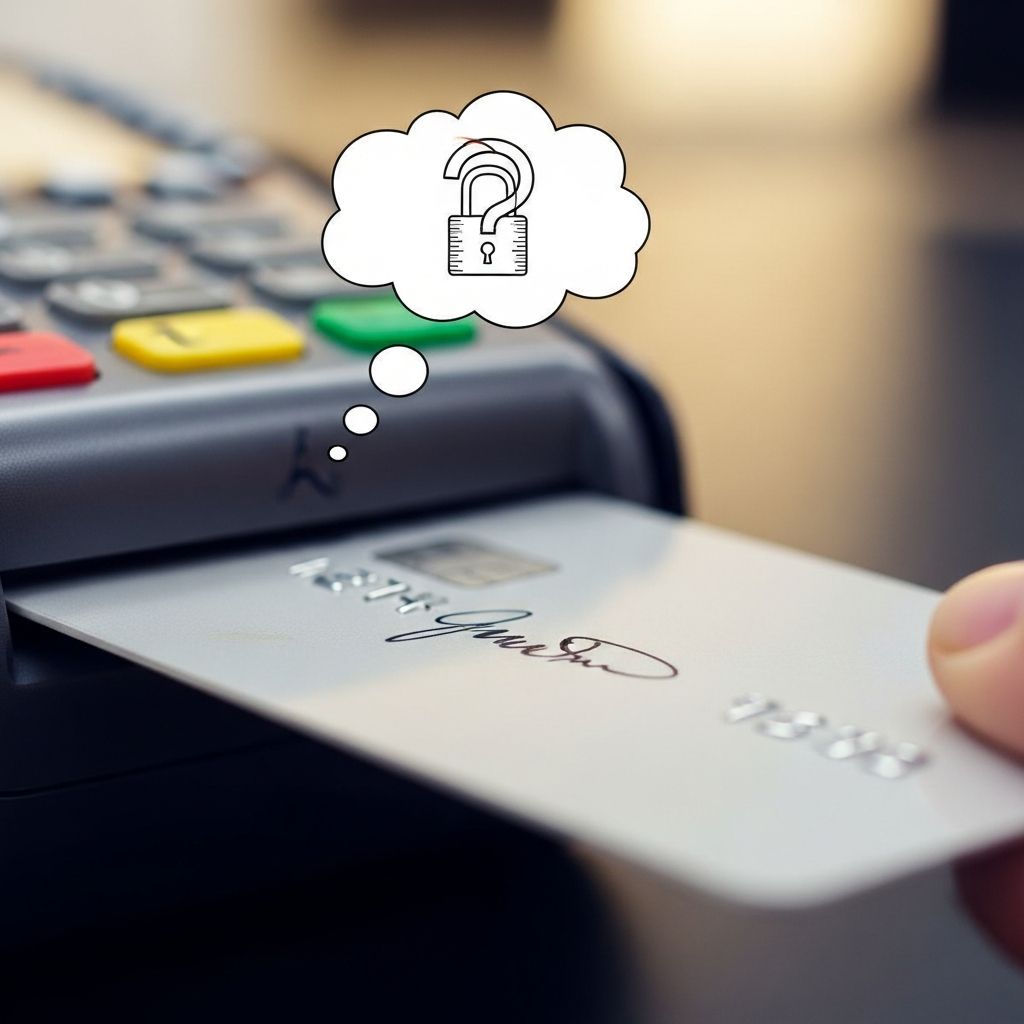
Once a staple of every credit card transaction, the signature is fading into obscurity. Major networks like Visa, Mastercard, American Express, and Discover have eliminated the signature requirement, thanks to superior technologies like EMV chip cards that drastically cut fraud rates. This shift began in earnest around 2018 and has evolved further, with updates as recent as 2025 making even signature panels on cards optional. But does this mean your transactions are less secure? Far from it—fraud prevention has advanced, rendering signatures ineffective and unnecessary.
In this comprehensive guide, we’ll break down the history of signatures, why they’re disappearing, how new tech safeguards your money, what merchants and consumers need to know, and practical tips to stay protected. By the end, you’ll see this change as a win for speed and security.
A Brief History of the Credit Card Signature
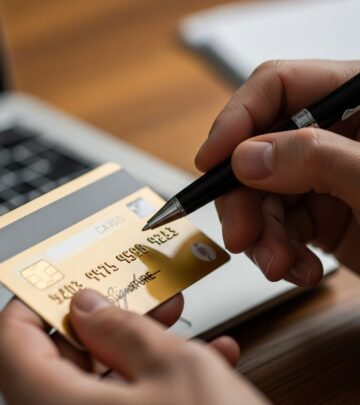
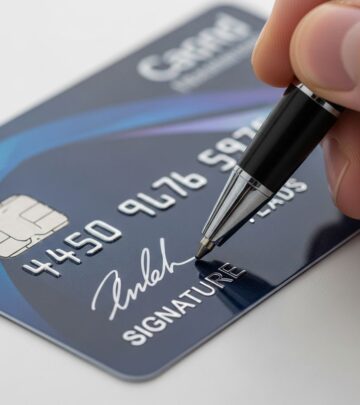
Credit card signatures originated in the mid-20th century as a simple identity verification method. Merchants would imprint the card details on a slip using a manual imprinter, and the customer would sign both the receipt and the card’s signature panel. The clerk could then compare the two signatures to confirm authenticity.
This system worked in an era of magnetic stripe cards, but it had glaring flaws. Clerks rarely checked signatures closely, and forgers could easily mimic them. As card readers became common, customers swiped without handing over the card, making comparison even rarer. By the 2010s, with rising fraud losses, networks sought better solutions.
- Pre-2018: Signatures required for most swiped transactions over small limits (e.g., Mastercard waived under $50 by 2012).
- 2018 Milestone: All four major networks—Visa, Mastercard, Discover, Amex—dropped signatures for chip and contactless payments.
- 2020 Expansion: Visa made signatures optional globally for in-person purchases on EMV devices.
- 2025 Update: Visa declared signature panels on physical cards optional in the US, closing the last chapter.
Today, in 2026, signatures are relics, used only by merchants with outdated policies or tech.
Why Signatures Are No Longer Needed
Signatures provided a false sense of security. Studies and network data show they did little to prevent fraud—chip technology alone slashed counterfeit fraud by 76% from 2015-2018. Here’s why they’ve been phased out:
| Old Method: Signature | New Reality: Chip & Beyond |
|---|---|
| Static handwriting, easy to forge | Dynamic data per transaction via EMV chip |
| Rarely verified by clerks | Real-time authentication by networks |
| No protection against lost/stolen cards | Tokenization in contactless/digital wallets |
| Slows checkout | Instant, contactless approval |
EMV chips generate a unique cryptogram for each transaction, impossible to replicate from stolen data. Contactless payments add tokenization, replacing card details with single-use codes. Advanced analytics and biometrics further secure accounts remotely. American Express noted in 2017 that their fraud tools had outpaced signatures.
How Chip Technology and EMV Secure Your Card
EMV (Europay, Mastercard, Visa) chips are tiny computers embedded in cards. Unlike magstripes, which broadcast static data, chips create one-time codes verified by the issuer.
Key Benefits:
- Fraud Reduction: Visa reports 76% drop in counterfeits; overall payment fraud fell significantly post-EMV.
- Chip-and-PIN: In Europe and beyond, PINs add extra verification; US leans on signature-free chips but PINs are rising.
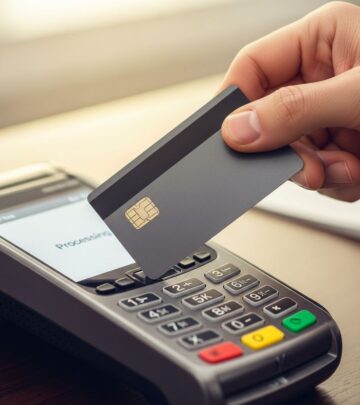
- Contactless (NFC): Tap-to-pay uses radio waves for sub-$100 transactions without swipes or signatures.
- Digital Wallets: Apple Pay, Google Pay tokenize data, making intercepted info useless.
Merchants without EMV readers must still collect signatures as a fallback, but adoption is near-universal in 2026. Visa’s rules emphasize evolving to dynamic methods like these.
Are Your Transactions Less Secure Without a Signature?
Absolutely not—security is stronger. Networks invest billions in AI-driven fraud detection, monitoring patterns in real-time. Signatures never stopped determined thieves; chips do.
Consumer protections remain ironclad under laws like the Fair Credit Billing Act (US), limiting liability to $50 for unauthorized charges (often $0 with chips). Visa’s executive stated: “Making signatures optional enhances security and convenience”. Post-2018 data confirms fraud rates dropped despite no signatures.
Edge cases? High-value or suspicious transactions trigger holds, ID checks, or calls to issuers—far more effective than a squiggle.
What This Means for Merchants
Merchants gain flexibility. No signature mandate speeds lines, cuts paper, and aligns with contactless trends. However:
- They can still require signatures for policy reasons (e.g., luxury goods stores).
- Non-EMV setups need signatures.
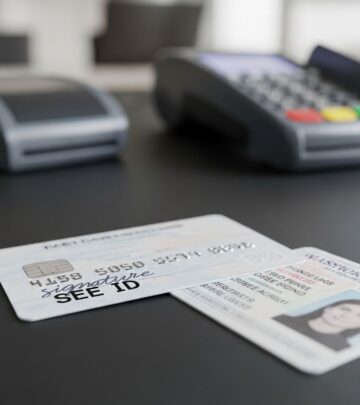
- ID alternatives like driver’s licenses recommended for verification.
Target and others phased out signatures by 2018; most followed suit. In disputes, electronic records (not signatures) prove authorization.
Tips for Consumers: Stay Protected Without Signing
Your habits matter more than ever. Here’s how to minimize risks:
- Monitor Statements: Use apps for real-time alerts on every charge.
- Enable Notifications: Texts/emails for transactions over $1.
- Use Digital Wallets: Tokenization beats physical cards.
- Set Low Limits: Daily/virtual card limits via issuer apps.
- Lock Cards: Toggle off when not in use.
- Report Issues Fast: Zero liability within 60 days.
- Opt for Credit Over Debit: Better protections.
Avoid public Wi-Fi for banking; use VPNs if needed. Biometrics (fingerprint/face ID) add layers on phones.
Future of Payment Authentication
Signatures are gone; biometrics, voice, and behavioral AI are next. Expect palm scans at registers and seamless phone payments. Networks like Visa push “dynamic authentication” via rules updates. Fraud will evolve, but so will defenses—staying informed keeps you ahead.
Frequently Asked Questions (FAQs)
Q: Do I still need to sign my credit card?
A: No, signature panels are optional since 2025 per Visa; networks don’t require them.
Q: Why do some stores still ask for signatures?
A: Store policy, old tech, or high-value sales; it’s their choice, not network rules.
Q: Are chip cards safer than signature cards?
A: Yes, by generating unique codes per transaction, reducing fraud by 76%.
Q: What if my card is stolen?
A: Report immediately for $0 liability; chips limit damage vs. magstripes.
Q: Can I use contactless payments everywhere?
A: Most merchants accept taps; limits vary (e.g., $100/transaction).
Q: Is this change global?
A: Largely yes for major networks, though PINs dominate outside US.
References
- Major Credit Card Companies No Longer Require Signature — Scripps News. 2018-04-01. https://www.scrippsnews.com/business/major-credit-card-companies-no-longer-require-signature
- Visa Update Makes Signature Panels Optional — Wind River Payments. 2025-03-20. https://www.windriverpayments.com/recent-visa-update-makes-signature-panels-entirely-optional/
- All Four Major Credit Cards to Go Signature-Free — CardFellow. 2018-01-01. https://www.cardfellow.com/blog/all-four-major-credit-cards-to-go-signature-free/
- What Visa’s New Signature Policy Really Means — Nelnet Inc. 2020-05-14. https://nelnetinc.com/insights/what-visas-new-signature-policy-really-means/
- Why Don’t I Always Have to Sign for Credit Card Purchases? — NerdWallet. 2023-01-01. https://www.nerdwallet.com/credit-cards/learn/credit-card-purchases-why-signatures-not-always-required
- Why do businesses require a signature for credit card purchases? — Bankrate. 2024-01-01. https://www.bankrate.com/credit-cards/business/required-signature-credit-card-purchases/
- Visa Core Rules and Visa Product and Service Rules — Visa. 2025-01-01. https://usa.visa.com/dam/VCOM/download/about-visa/visa-rules-public.pdf
Similar Articles








Read full bio of medha deb