Credit Card Security Code: Protection Against Fraud
Understand credit card security codes and how they protect your payment information from fraud.
What Is A Credit Card Security Code?
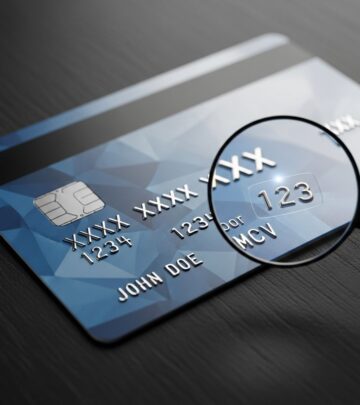
A credit card security code is a three- or four-digit number that’s printed on your card and serves as an additional layer of protection against fraudulent transactions. If you’ve ever purchased anything online or over the phone using a credit card, you’ve likely been asked for this code. It’s a short series of digits found on your physical card that’s distinctly different from your main credit card number, and it verifies that you have possession of the actual card.
The security code provides extra assurance that your payment information isn’t being used fraudulently. Because this code is only found on your physical card and not through online banking portals or credit card documents, merchants use it to verify that you actually own the card during card-not-present transactions.
Understanding Credit Card Security Code Names
Credit card security codes go by several different names, which can sometimes cause confusion. Understanding these terminology variations helps you recognize your security code regardless of how it’s referenced:
- Card Verification Value number (CVV)
- Card Verification Code number (CVC)
- Card Identification number (CID)
While these names differ, they all refer to the same security feature on your credit card. Different card issuers and networks may use different terminology, but the function remains identical across all major credit card brands.
Why Credit Card Security Codes Are Important
Security codes provide a critical extra layer of protection in keeping your credit card information private and preventing unauthorized use. The importance of these codes stems from a fundamental principle: merchants are prohibited from storing CVV data after they complete transactions. This regulation means that even if thieves manage to hack into a retailer’s electronic records and steal credit card numbers, they shouldn’t be able to access the security codes.
When you’re asked to verify your security code during a transaction, the merchant is simply ensuring you have the card in hand. This requirement significantly reduces the risk of fraudulent purchases made with stolen card information alone. Without the security code, a thief would need additional information beyond just your card number to complete most online or phone transactions.
The prohibition on storing security codes represents a crucial distinction between CVV codes and other card information. Your card number, expiration date, and cardholder name might be stored in merchant databases for legitimate business purposes, but security codes must never be retained once the transaction is complete.
How to Find Your Security Code
The location of your security code depends on which credit card network issued your card. While the layout can vary slightly by issuer and card type, here’s where you’ll typically find your security code:
American Express Cards
American Express cards have a unique security code placement compared to other major card networks. The four-digit code appears on the front of the card, typically on the right-hand side above the card number. This prominent placement on the front distinguishes American Express from Visa and Mastercard security code positioning.
Visa and Mastercard
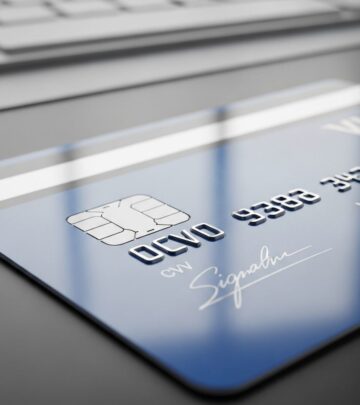
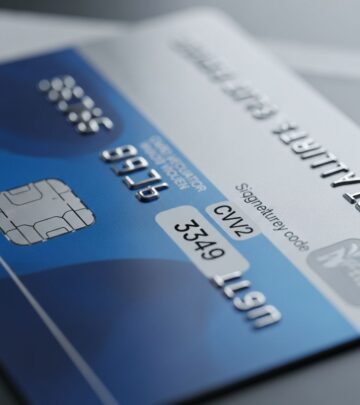
For both Visa and Mastercard credit cards, the security code consists of three digits located on the back of the card. You’ll find it at the right end of the signature field, positioned after the signature strip. This standard placement has become the industry norm for these two major networks.
Discover Cards
Discover card security codes are three digits long and appear on the back of the card inside a box positioned to the right of the signature field. This boxed presentation makes it easy to distinguish from other numbers on the back of your card.
If you don’t see the security code where you expected based on your card network, continue looking for an unembossed three- or four-digit number on your card. The specific positioning can vary slightly between different card issuers within the same network.
How to Keep Your Card Information Secure
Protecting your credit card information against potentially fraudulent merchants online has become increasingly important. With social media-influenced impulse purchases and the rise of digital commerce, taking proactive steps to guard your card information is essential. Here are key strategies to protect your payment information:
Mobile Device Security
If you store credit card information on your phone, implement strong security measures. Set your phone to lock promptly when not in use, and protect it with a strong passcode or biometric authentication. This prevents unauthorized access to stored payment information if your device is lost or stolen.
Leverage Card Issuer Services
Take advantage of any security services your credit card issuer offers. Most major card issuers provide credit monitoring and account alerts for unusually large transactions or suspicious account activity. These services help you detect fraudulent activity quickly.
Respond Quickly to Compromises
If you believe your account information may have been compromised, contact your card issuer right away. Your issuer can send you a new card and monitor your account for suspicious activity. The faster you report potential fraud, the better protected you’ll be.
Use Digital Wallets
Adding your credit card to mobile wallets like Apple Pay or Samsung Pay provides an additional layer of security. These digital wallet solutions use unique transaction codes instead of sharing your actual card number with merchants, reducing exposure of your sensitive information.
Be Cautious Over the Phone
Only provide your security code and other sensitive card information to trusted companies when making purchases over the phone. Be wary of unsolicited calls requesting card details, as these could be scams.
Security Code Limitations and Advanced Protection
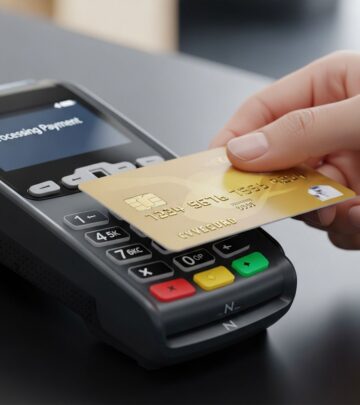
While security codes provide an important layer of defense for your credit card, they aren’t the most effective protection available. Features like contactless tap payments and digital wallet payments offer superior fraud protection compared to traditional security codes. Chip and PIN technology, for instance, generates a unique encrypted code for each transaction, making it significantly more difficult for thieves to use stolen card information.
However, security codes remain a valuable defense mechanism, particularly for card-not-present transactions where your physical card cannot be inserted or tapped. They work best as part of a comprehensive security strategy that includes multiple protective measures.
Finding Your Security Code Online
If you need to locate your security code but don’t have your physical card available, there are limited options. You may be able to find the code in your card issuer’s online portal along with your card statements and other paperwork. However, many issuers intentionally avoid displaying security codes online for security reasons.
If you cannot find your security code through your online account portal, contact your credit card issuer directly. You’ll need to provide other identifying information to verify your identity before the issuer shares your security code with you. This additional verification step protects your account from unauthorized access.
The Bottom Line
Credit card security codes, commonly called CVCs or CVVs, represent a simple yet effective additional measure to keep your card safe against unauthorized users. When using your card online or over the phone, merchants typically request your security code to verify that you physically possess the card. This prevents someone who may have stolen your other credit card information from making fraudulent purchases without having access to your physical card.
While security codes aren’t as comprehensive as modern features like contactless tap payments or digital wallet payments, they provide an important extra layer of defense for your credit card. By understanding what security codes are, where to find them, and how to protect them, you can use your credit card with greater confidence both online and over the phone.
Frequently Asked Questions
Q: What does CVV stand for?
A: CVV stands for Card Verification Value. It’s a security code usually found on the back of your credit card that helps verify you have the physical card in your possession.
Q: Can merchants store my security code after a purchase?
A: No. Merchants are prohibited from storing credit card security codes after transactions are complete. This requirement is a key reason why security codes provide extra protection against fraud.
Q: Is it safe to give my security code over the phone?
A: It’s generally safe to provide your security code to trusted companies when making legitimate phone purchases. However, never provide it to unsolicited callers or companies you don’t recognize, as this could indicate a scam.
Q: Where is the security code on an American Express card?
A: American Express security codes are four digits located on the front of the card, typically on the right-hand side above the card number.
Q: What should I do if my card information is compromised?
A: Contact your card issuer immediately if you suspect your account information has been compromised. Your issuer can send you a new card and help protect your account from fraudulent activity.
References
- What Is A Credit Card Security Code? — Bankrate. Accessed 2025-11-29. https://www.bankrate.com/credit-cards/advice/credit-card-security-code/
- What Do The Numbers On Your Credit Card Mean? — Bankrate. Accessed 2025-11-29. https://www.bankrate.com/credit-cards/advice/what-do-the-numbers-on-your-credit-card-mean/
- Guide to Chip and PIN Credit Cards — Bankrate. Accessed 2025-11-29. https://www.bankrate.com/credit-cards/advice/chip-and-pin-credit-cards/
- How Major Credit Card Networks Protect Customers Against Fraud — Bankrate. Accessed 2025-11-29. https://www.bankrate.com/credit-cards/advice/major-credit-card-networks-protect-against-fraud/
- Is It Safe To Give An App My Credit Card Information? — Bankrate. Accessed 2025-11-29. https://www.bankrate.com/credit-cards/advice/giving-credit-card-info-to-an-app/
- Is It Safe To Give Out My Card Details Over The Phone? — Bankrate. Accessed 2025-11-29. https://www.bankrate.com/credit-cards/advice/safe-or-not-to-give-card-info-over-the-phone/
- Can A Merchant Store My Credit Card Details Without Permission? — Bankrate. Accessed 2025-11-29. https://www.bankrate.com/credit-cards/advice/can-merchants-store-card-details/
Similar Articles








Read full bio of medha deb