Credit Card Reporting Timeline Explained
Discover exactly when your credit card payments and balances reach credit bureaus to master your credit score management effectively.
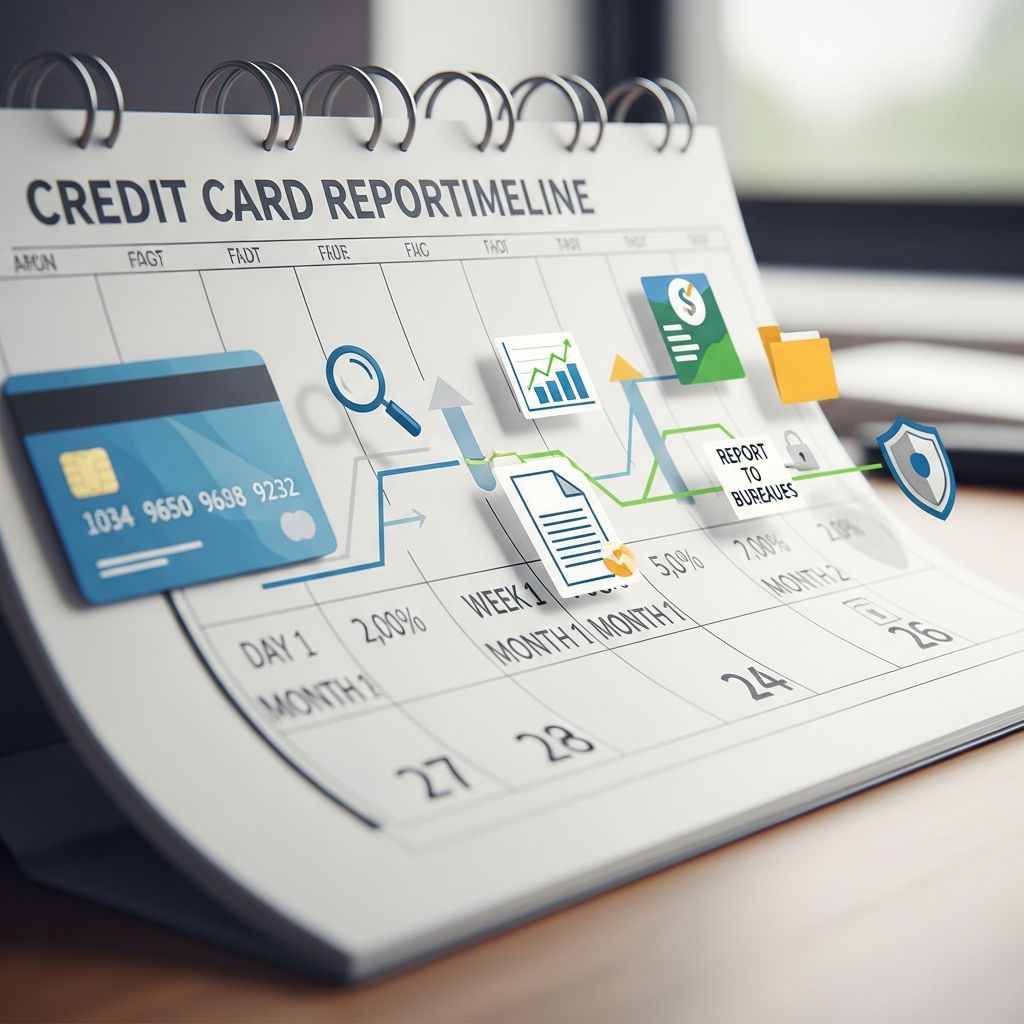
Credit card issuers report account details, including payments and balances, to major credit bureaus like Equifax, Experian, and TransUnion on a monthly basis, typically right after the statement closing date. This process shapes your credit report and influences your credit scores, making timing crucial for effective financial management.
Understanding the Monthly Billing Cycle
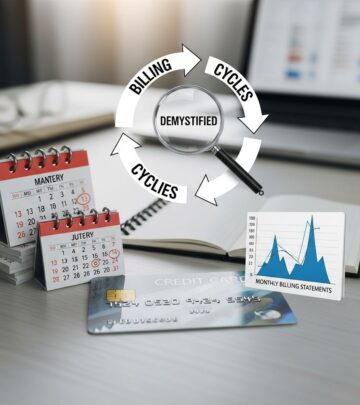
The foundation of credit reporting lies in the billing cycle, which spans 28 to 31 days between statement closing dates. During this period, all transactions—purchases, payments, and fees—are tallied. At cycle’s end, issuers generate a statement reflecting the snapshot balance, which forms the basis for bureau updates.
Most issuers set billing cycles to avoid overwhelming end-of-month rushes, spreading statements across days or weeks. For instance, a cycle might close on the 15th, prompting reporting shortly after. Knowing your exact dates, available on statements or online accounts, empowers precise payment planning.
Key Dates That Drive Reporting
Three pivotal dates dictate what bureaus see:
- Statement Closing Date: Marks cycle end; balance here is usually reported.
- Payment Posting Date: When funds clear; affects if balance reduction shows in current or next report.
- Statement Due Date: Deadline for payment to avoid penalties, though reporting grace exists for lates.
Payments processed before closing reduce the reported balance immediately in that cycle. Post-closing but pre-due payments wait for the next snapshot. Digital payments often post same-day if before 5 p.m., but cross-bank transfers take 1-3 days.
How Payments Shape Your Reported Balance
Your credit report displays the statement balance, not real-time activity, causing frequent mismatches with app balances. Strategic timing minimizes utilization ratios, a major score factor.
| Payment Timing | Impact on Current Report | Impact on Next Report |
|---|---|---|
| Before Closing Date | Lowers balance shown | N/A |
| After Closing, Before Due | No change | Lowers next balance |
| On or After Due Date | Potential late flag if 30+ days | Delinquent status |
Early payments in-cycle optimize reports without altering schedules. Mailed payments risk delays, needing arrival by 5 p.m. due date, plus 5-7 processing days.
Issuer Variations in Reporting Practices
Not all issuers sync perfectly. Chase often transmits data 1-2 days post-closing, enabling quick reflections. American Express may delay until payments fully clear, sometimes post-due. Capital One and others follow standard post-closing batches.
Bureaus process incoming data in 2-4 days, with scores updating variably. Equifax notes mid- or end-month reports based on issuer cycles. Check issuer policies via account tools or customer service for specifics.
Handling Late Payments and Delinquencies
Issuers grant leeway: payments under 30 days past due rarely report as late. Only after 30 days do they flag delinquencies in the next cycle. This ’30-day rule’ prevents knee-jerk credit hits from minor slips.
Once flagged, late status persists 7 years, severely impacting scores. Proactive steps like goodwill requests post-resolution can mitigate, though success varies.
Common Misconceptions About Credit Reporting
Several myths confuse users:
- Daily reporting: False; monthly batches only.
- Instant score boosts from payments: No, cycle-tied.
- Immediate late marks: Waits 30 days.
- New cards report instantly: 30-45 days post-activation.
Busting these clarifies that patience and timing trump urgency.
Strategies to Optimize Your Credit Profile
Leverage knowledge for better scores:
- Pay before closing to slash utilization.
- Request cycle adjustments for alignment with paydays.
- Monitor reports weekly via free tools.
- Multiple cards? Time payments per cycle.
- Balance transfers: Time pre-closing for low reports.
Low utilization (under 30%) boosts FICO/VantageScores significantly. Consistent on-time payments build positive history.
Monitoring and Verifying Your Reports
Free weekly reports at AnnualCreditReport.com reveal discrepancies. Apps from Credit Karma or issuer portals offer interim views, though not official. Dispute errors promptly; bureaus must investigate within 30 days.
Track via statements: Compare reported balances against bureaus after 1-2 weeks post-closing.
Frequently Asked Questions
When do most credit card payments show on my credit report?
Payments influence the balance reported post-statement closing, typically 1-3 days later, with bureau updates in 2-4 days.
Does paying early improve my score faster?
It lowers the current cycle’s reported balance but doesn’t speed reporting cadence.
What if I pay after closing but before due?
Your statement balance reports unchanged; benefits appear next cycle.
How soon does a late payment appear?
After 30 days past due, flagged in subsequent report.
Can I change my billing cycle date?
Many issuers allow requests, aligning with cash flow.
Advanced Tactics for Power Users
High-credit individuals use ‘manufactured spending’ cautiously, timing loads/payments pre-closing. Multiple inquiries? Space to avoid clustered reports. Authorized users inherit timely payer benefits.
Business cards report separately, often without personal liability but impacting profiles if guaranteed.
The Bigger Picture: Credit Health Beyond Reporting
Reporting is one pillar; diversify with installment loans for mix, limit inquiries, and age accounts. Scores recalculate on bureau updates, pulling from all three variably.
Annual reviews prevent surprises, especially pre-major applications like mortgages.
References
- When Do Credit Cards Report to Credit Bureaus? — The Credit People. 2024. https://www.thecreditpeople.com/bureaus/when-do-credit-cards-report-to-credit-bureaus
- When Do Credit Card Payments Get Reported? — Experian. 2024-10-15. https://www.experian.com/blogs/ask-experian/when-do-credit-card-payments-get-reported/
- How Often Do Credit Card Companies Report? — Equifax. 2025. https://www.equifax.com/personal/education/credit-cards/articles/-/learn/credit-card-reporting-credit-bureaus/
- When do credit card companies report to credit bureaus? — Credit Karma. 2024. https://www.creditkarma.com/credit-cards/i/credit-card-companies-report-credit-bureaus
- How Long Does a Credit Card Payment Take to Process? — NerdWallet. 2025-01-20. https://www.nerdwallet.com/credit-cards/learn/how-long-does-a-credit-card-payment-take-to-process
- What is a Billing Cycle? — Capital One. 2024. https://www.capitalone.com/learn-grow/money-management/what-is-a-billing-cycle/
- Credit Card Billing Cycles, Explained — Chase. 2024. https://www.chase.com/personal/credit-cards/education/basics/credit-card-billing-cycles-explained
Similar Articles








Read full bio of Sneha Tete