Understanding Delays in New Credit Card Reporting
Learn why newly opened credit cards take time to appear on credit reports.

When you receive approval for a new credit card, you might expect to see it reflected on your credit report right away. However, this isn’t how the credit reporting system typically works. Your newly opened credit card account usually won’t appear on your credit report for several weeks, leaving many consumers wondering what’s happening with their account.
The Standard Timeline for Credit Card Reporting
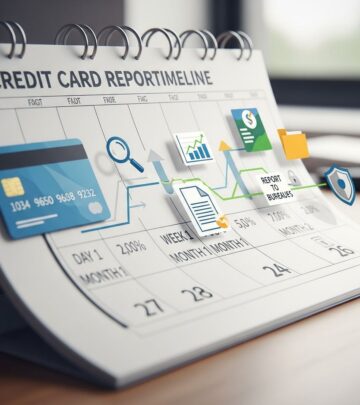
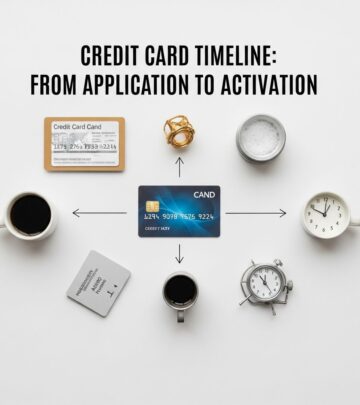
One of the most common reasons your new credit card doesn’t show up immediately is simply the natural reporting delay built into the credit system. Credit card issuers typically don’t report new accounts to the major credit bureaus—Equifax, Experian, and TransUnion—right after approval. Instead, most lenders wait 30 to 60 days before sending initial account information to these bureaus.
This waiting period isn’t arbitrary. Credit card companies use this time to establish an account history and ensure that the account is active and in good standing before reporting it to credit bureaus. During this initial phase, the account exists in the lender’s system, but it hasn’t yet been formally communicated to the three major credit reporting agencies that track your financial behavior.
Understanding this timeline helps set realistic expectations. If you’ve opened a credit card within the last month, the delay in seeing it on your credit report is completely normal and doesn’t indicate any problem with your application or account status.
Selective Reporting Practices Among Lenders
Another significant reason your new credit card may not appear on your credit report relates to individual lender policies on credit bureau reporting. Not all credit card issuers are required to report to all three major credit bureaus, and federal law doesn’t mandate that creditors report account information to any credit bureaus at all.
This means different lenders follow different strategies:
- Some major credit card issuers report to all three national credit bureaus
- Other lenders report to only one or two of the three bureaus
- Some creditors may not report to any credit bureaus
This variation in reporting practices explains why you might see an account on one credit report but not on another. Your Bank of America card might appear on all three bureaus, while a credit card from a smaller issuer might only report to Equifax, for example. You can contact your card issuer directly to inquire which bureaus they report to, and this information can help you understand what to expect on your individual credit reports.
Data Reporting Errors and Technical Issues
Sometimes the absence of a new credit card from your credit report stems from technical problems rather than intentional lender policies. Data transmission between credit card companies and credit bureaus isn’t flawless. Several types of errors can prevent your account information from appearing correctly:
- Missed reporting cycles: A creditor might have missed including your account in a particular monthly or quarterly reporting submission
- Data formatting issues: Information about your account might contain formatting errors that prevent the credit bureau from properly processing and displaying it
- Connection failures: Technical problems in the secure connection between your lender and a credit bureau could interrupt data transmission
If you suspect a technical error, obtaining a copy of your actual credit report directly from the credit bureau (rather than through a third-party monitoring service) can help clarify whether the problem exists at the bureau level or elsewhere in the reporting chain.
Distinguishing Between Different Types of Payment Cards
It’s important to verify that your new account is actually a credit card and not another type of payment card. This distinction matters significantly for credit reporting purposes. Debit cards and prepaid cards never appear on credit reports because they don’t represent a line of credit.
Credit reporting agencies track credit activity—meaning credit extended to you by a lender with the expectation that you’ll repay it. A debit card draws directly from your bank account, while prepaid cards use funds you’ve already loaded onto the card. Neither represents credit, so neither generates a credit history that would appear on your credit reports.
If you believed you opened a credit card but it’s not appearing anywhere on your credit reports after 60 days, double-check your account documents to confirm it’s actually a credit card product rather than a debit or prepaid alternative.
The Role of Credit Monitoring Services
Sometimes the issue isn’t with your credit report itself but with how you’re accessing the information. A disconnect can occur between the credit bureau’s actual records and the information displayed through third-party credit monitoring services or apps.
Credit monitoring platforms rely on data feeds from credit bureaus, and occasionally these updates don’t sync perfectly or in real-time. Your account information might already exist in Experian’s database but hasn’t yet updated on your credit monitoring app. To verify whether this is the issue, request your official credit report directly from the credit bureau rather than relying solely on third-party services.
Historical Trends in Credit Card Reporting
An interesting pattern has emerged in recent years regarding credit card payment information on credit reports. Research indicates that the amount of credit card payment data appearing on consumer credit reports has declined significantly. Between 2013 and 2022, the fraction of credit card accounts showing payment information dropped from approximately 89 percent to 36 percent.
This decline reflects major credit card issuers’ decisions to limit the payment information they report to credit bureaus. Large lenders including American Express, Bank of America, Capital One, Citibank, Discover, and JPMorgan Chase—which together represent more than two-thirds of the credit card market—have reduced their reporting of actual payment amounts to credit bureaus.
This industry-wide trend means that even after your new credit card does appear on your credit report, you may not see detailed payment history information displayed. This represents a broader shift in how credit bureaus and lenders share information compared to previous decades.
Practical Steps If Your New Credit Card Remains Unreported
If your new credit card hasn’t appeared on any of your credit reports after 60 days, consider taking these actions:
- Contact your card issuer: Call the customer service number on your card or monthly statement and ask which credit bureaus they report to and when they typically initiate reporting for new accounts
- Request official credit reports: Obtain your actual credit reports from each of the three major bureaus rather than relying on third-party monitoring services
- File a dispute if necessary: If you discover an error, you can file a dispute with the credit bureau requesting they investigate and correct the inaccuracy
- Verify account details: Ensure all your personal information on the credit card account matches exactly with the name and address on your credit reports, as discrepancies can prevent proper reporting
Understanding Your Rights and Limitations
It’s crucial to recognize that consumers have limited recourse in this situation. You cannot compel a credit card issuer to report your account to credit bureaus because federal law doesn’t require creditors to report information to credit agencies. While you can request that your lender report to all three bureaus, they’re under no legal obligation to do so.
This means that if your specific credit card issuer simply doesn’t report to certain bureaus or doesn’t report at all, you have only limited options. You could choose to switch to a different card issuer that does report to all three bureaus if building credit and having your account appear on all reports is important to you.
Frequently Asked Questions
How long does it take for a new credit card to show on my credit report?
Most credit card issuers report new accounts to credit bureaus within 30 to 60 days of account opening. However, some may take longer, and the exact timeline depends on the individual lender’s reporting practices.
Will my new credit card appear on all three credit reports?
Not necessarily. Your card issuer may report to only one or two of the three major credit bureaus, or potentially none at all. You can contact your lender to find out their specific reporting practices.
Can I ask my credit card company to report to all three bureaus?
You can request this, but credit card companies are not legally required to report to any bureaus, let alone all three. Your request may or may not be honored depending on the lender’s policies.
Does a missing credit card hurt my credit score?
If your new credit card genuinely isn’t being reported by the issuer, it won’t directly hurt your credit score, since credit bureaus can only score information they receive. However, if you were hoping the new account would help build credit, its absence on your reports means it isn’t contributing to your credit profile.
What’s the difference between a credit card and a prepaid card for credit reporting?
Credit cards represent borrowed money that you must repay, and they appear on credit reports. Prepaid and debit cards don’t represent credit and never appear on credit reports, regardless of how frequently you use them.
Conclusion: Setting Realistic Expectations
A new credit card not appearing on your credit report shortly after approval is a common and usually temporary situation. The most likely explanation involves the standard 30 to 60-day reporting delay that most lenders observe. However, understanding the various reasons your account might be unreported—from selective lender policies to data transmission issues—helps you determine whether the delay is normal or whether you should take action.
If you’re working to build or improve your credit, consider asking potential lenders whether they report to all three major credit bureaus before opening an account. This ensures that the credit history you build actually gets reflected on the credit reports that lenders use when evaluating your creditworthiness.
References
- Missing Payment Information on Credit Reports — Credit Karma. https://www.creditkarma.com/credit/i/missing-payment-information-credit-reports
- My Credit Card Isn’t On My Credit Report. What Can I Do? — MoneyTips. https://moneytips.com/credit/credit-scores-reports/my-credit-card-isnt-on-my-credit-report-what-can-i-do/
- Why Are Accounts Missing From My Credit Report? — Equifax®. https://www.equifax.com/personal/help/article-list/-/h/a/all-accounts-listed-credit-report/
- Why Your Credit Report Stopped Showing Your Card Payments — Chicago Booth Review. https://www.chicagobooth.edu/review/why-your-credit-report-stopped-showing-your-card-payments
- Why are some of my debts not showing up on my credit report? — Consumer Finance Protection Bureau. https://www.consumerfinance.gov/ask-cfpb/why-are-some-of-my-debts-not-showing-up-on-my-credit-report-en-1361/
- Disputing Errors on Your Credit Reports — Federal Trade Commission. https://consumer.ftc.gov/articles/disputing-errors-your-credit-reports-0
Similar Articles








Read full bio of Sneha Tete