Credit Card Purchase Protection Explained
Discover how credit card purchase protection safeguards your buys from theft and damage, with key details on coverage, claims, and top cards.
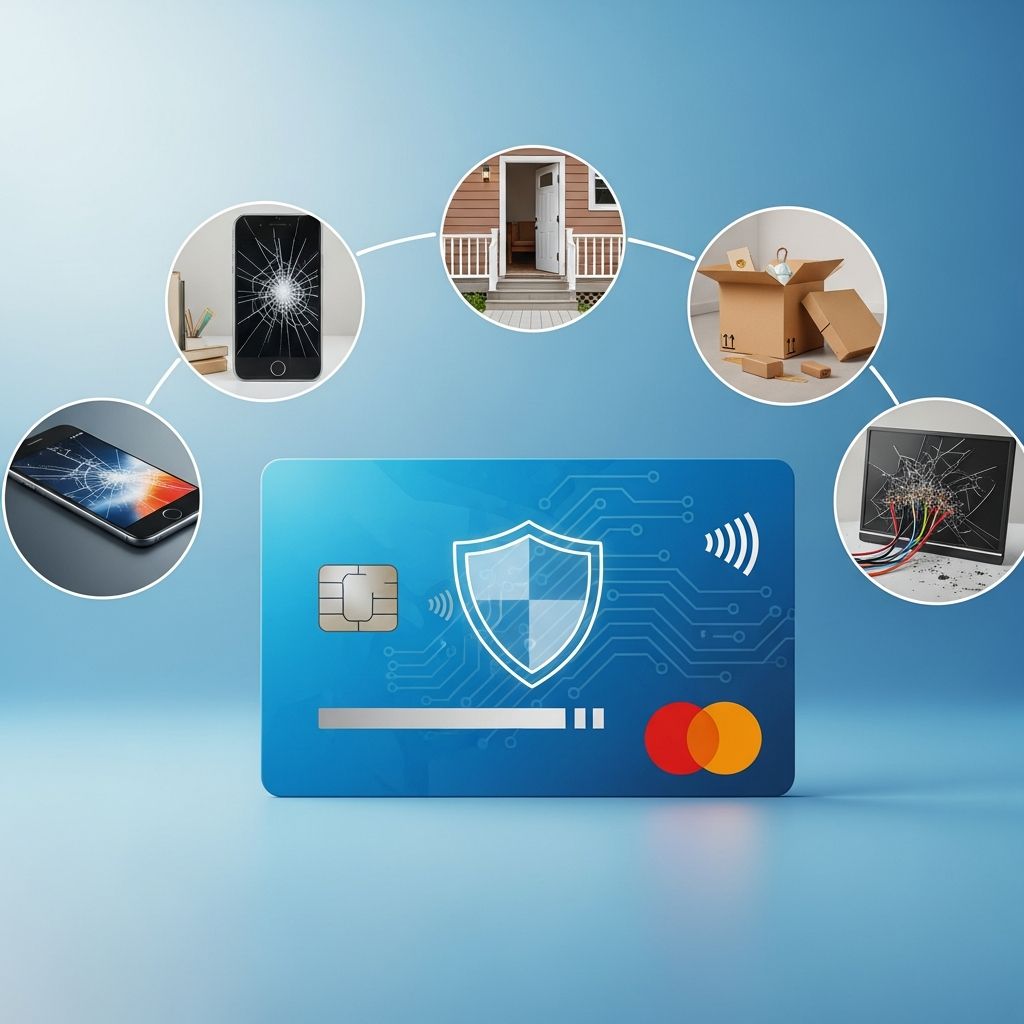
Credit card purchase protection acts as a built-in safety net for eligible items bought with your card, reimbursing you for theft or accidental damage within a specific timeframe after purchase. This benefit, provided by card networks like Visa, Mastercard, and American Express, typically covers new retail goods up to certain limits, making it essential for high-value or risky purchases.
Understanding the Basics of Purchase Protection
Purchase protection, also known as buyer security or retail safeguard, functions like temporary insurance from the card issuer or network. It kicks in when an item you paid for entirely—or sometimes partially—with an eligible credit card suffers damage or is stolen. Coverage periods generally range from 90 to 120 days, depending on the network and card terms.
For instance, this perk ensures you’re not out of pocket if a new laptop slips from your bag or jewelry is snatched from your home. However, it’s secondary coverage, meaning you must first pursue claims through homeowners, renters, or other primary insurance before turning to your card.
Eligibility hinges on using the card for the purchase, and some cards extend it to rewards points redemptions. Gift recipients may also qualify if the cardholder made the buy.
What Qualifies for Coverage?
Most new, tangible personal items purchased for everyday use fall under protection, including electronics, appliances, clothing, and sporting goods. International purchases often qualify too, broadening its utility for travelers.
However, networks outline clear boundaries:
- Perishables: Food, flowers, or anything prone to spoiling.
- Digital or intangible goods: Software, downloads, or subscriptions.
- Collectibles and antiques: Art, stamps, coins, or memorabilia.
- Vehicles and motorized items: Cars, boats, motorcycles, or aircraft.
- Tickets and gift cards: Event passes, travel vouchers, or prepaid cards.
- Commercial or resale items: Goods bought for business inventory.
- Used products: Pre-owned or refurbished merchandise.
These exclusions prevent abuse and focus coverage on standard consumer needs.
Coverage Limits and Durations Across Networks
Different card networks set varying standards, with issuers sometimes offering enhanced terms. Here’s a comparison:
| Network | Duration | Per Claim Limit | Annual/Account Limit | Covered Events |
|---|---|---|---|---|
| Visa | 90 days | $500 – $1,000 | $50,000 | Theft, damage |
| Mastercard | 120 days (90 in NY) | $1,000 | $50,000 | Theft, damage |
| American Express | Up to 90 days (varies) | $1,000 – $10,000 | $50,000 | Theft, damage, some loss |
Note: Actual limits depend on your specific card; premium cards often provide higher caps.
Top Credit Cards with Strong Purchase Protection
Selecting a card with robust protection can elevate your buying confidence. Standouts include:
- Chase Sapphire Preferred® Card: Up to $500 per claim, 120 days—ideal for travel gear.
- Ink Business Cash® Credit Card: $10,000 per claim, 120 days; no annual fee for businesses.
- Blue Cash Preferred® Card from American Express: $1,000 per claim, 90 days; great for household items.
- American Express® Business Gold Card: $1,000 per claim for executives.
Always review your card’s Guide to Benefits for precise details, as perks evolve.
Step-by-Step Guide to Filing a Claim
Claims are straightforward but time-sensitive—file within 30-60 days of the incident.
- Verify coverage: Check your card’s benefits guide or call the issuer.
- Exhaust primary insurance: Submit to homeowners/renters first and obtain denial or settlement docs.
- Gather evidence: Collect receipt, card statement, police report (for theft), photos of damage, and item description.
- Contact administrator: Use the toll-free number or online portal listed in benefits (e.g., 1-888-675-1461 for Visa).
- Submit form: Complete the claim form with all docs; track via provided reference number.
- Await reimbursement: Processing takes 15-30 days; funds go to your card or check.
For theft, a police report is mandatory. Lost items may qualify under ‘involuntary parting’ if recoverable but inaccessible, like forgotten vacation buys.
Strategic Tips to Maximize This Benefit
To get the most value:
- Charge high-risk items (e.g., bikes, gadgets) to protected cards.
- Combine with other perks like extended warranties or return protection.
- Track purchases via apps to note coverage windows.
- Use for gifts—recipients are often covered.
- Avoid excluded categories; opt for cards with broad inclusions.
This perk shines for infrequent big-ticket items over everyday spends.
Common Misconceptions Debunked
Myth 1: It covers lost items universally. Reality: Pure loss often excludes; focus is theft/damage, with some ‘involuntary separation’ clauses.
Myth 2: All cards include it. Reality: Basic or secured cards may lack it; check terms.
Myth 3: Unlimited reimbursement. Reality: Caps apply per item and account.
Frequently Asked Questions
Does purchase protection cover international purchases?
Yes, most networks extend coverage worldwide if charged to the eligible card.
Can I use rewards points for coverage?
Often yes, if points fund all or part of the purchase.
What if I have multiple cards?
Use the one with the best terms; coverage doesn’t stack.
Is a deductible involved?
Typically no, but confirm with your issuer.
How does it differ from extended warranty?
Purchase protection is short-term for theft/damage; extended warranty prolongs manufacturer coverage.
Recent Trends and Regulatory Notes
As of 2026, networks continue refining terms amid rising e-commerce theft. The Consumer Financial Protection Bureau (CFPB) oversees disclosures, ensuring transparency. Premium cards increasingly bundle higher limits with cell phone protection.
For businesses, cards like Ink series offer elevated caps, supporting inventory safeguards without separate insurance.
References
- What Is Credit Card Purchase Protection? — Credit One Bank. 2023-10-15. https://www.creditonebank.com/articles/credit-card-purchase-protection
- Chase Purchase Protection: How It Works & What to Know — Chase. 2024-05-20. https://www.chase.com/personal/credit-cards/education/basics/chase-purchase-protection-what-to-know
- How the Purchase Protection Benefit Underwritten by AMEX Assurance Company Works — American Express. 2024-08-10. https://www.americanexpress.com/en-us/credit-cards/credit-intel/purchase-protection/
- Purchase Protection: Which Credit Cards Cover Your Belongings — NerdWallet. 2025-01-12. https://www.nerdwallet.com/credit-cards/learn/credit-card-purchase-protection
- Credit Cards That Offer Purchase Protection — Bankrate. 2025-03-05. https://www.bankrate.com/credit-cards/advice/purchase-protection/
Similar Articles








Read full bio of medha deb