Credit Card Physical Specifications and Standards
Learn the standardized measurements and physical features that define modern credit cards.
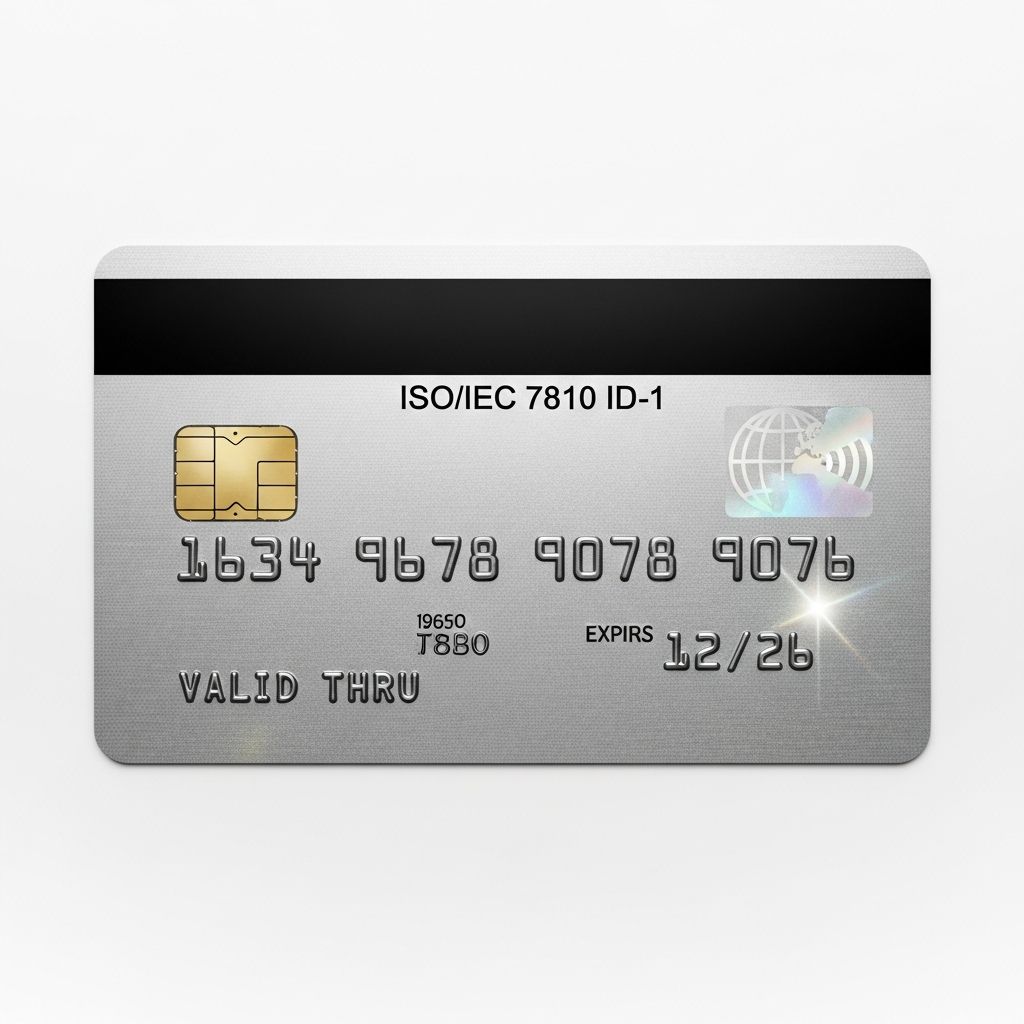
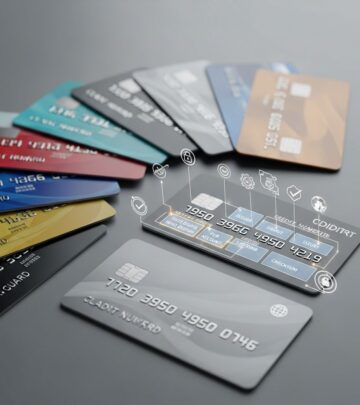
Credit cards have become ubiquitous in modern commerce, yet few people consider the precise engineering and standardization that goes into their physical design. The dimensions, materials, and construction of a credit card are not arbitrary—they follow strict international standards that ensure compatibility across the global financial system. Whether you’re using your card at a merchant terminal, inserting it into an ATM, or simply storing it in your wallet, the card’s physical properties are carefully engineered to meet specific requirements.
Standard Credit Card Dimensions
The standard credit card measures 85.6 millimeters in length and 53.98 millimeters in width, which translates to approximately 3.37 inches by 2.13 inches. These precise measurements were established by international payment card standards and have remained consistent across the industry for decades. The thickness of a standard credit card typically ranges from 0.76 to 0.81 millimeters, making it thin enough to fit comfortably in a wallet while remaining sturdy enough to withstand regular handling and use.
These standardized dimensions are critical because they ensure that cards work universally across payment terminals, ATMs, and card readers worldwide. When a merchant swipes your card or a terminal reads its chip, the device expects the card to be a specific size. Any deviation from these measurements could result in compatibility issues or the card becoming stuck in a reader.
Why Standardized Dimensions Matter
The uniformity in credit card sizing emerged from practical necessity rather than arbitrary design choices. Payment networks including Visa, Mastercard, American Express, and Discover established these specifications to create a seamless ecosystem where cards from any issuer could be used at any merchant location. Without standardized dimensions, the infrastructure that processes billions of transactions annually would face operational chaos.
- Universal Compatibility: Standard dimensions ensure your card works at any payment terminal globally, regardless of which bank issued it or which merchant is processing the transaction.
- Equipment Efficiency: Manufacturers of card readers, ATMs, and point-of-sale terminals can design equipment that reliably handles cards of predictable size and thickness.
- Consumer Convenience: Wallet and card holder manufacturers design products that accommodate standard-sized cards, making it easy for consumers to carry their financial tools.
- Security Compliance: Standardized dimensions work in conjunction with chip placement and magnetic stripe positioning to ensure security features function correctly.
Physical Materials and Construction
Modern credit cards are constructed from specialized materials engineered to balance durability with flexibility. Traditionally, cards were made from polyvinyl chloride (PVC), a plastic material that offered adequate durability and could be embossed with raised numbers and letters. However, environmental concerns and evolving technology have prompted changes in card composition.
Contemporary cards often incorporate polycarbonate and other advanced polymers that provide superior durability while maintaining the card’s flexibility. These materials resist cracking, warping, and fading, ensuring the card remains functional and readable throughout its typical lifespan of three to five years. The surface finish is carefully formulated to provide the right amount of friction for handling while remaining smooth enough for chip readers and magnetic stripe readers to function properly.
Some premium and specialty cards now feature metal components, particularly in their construction or surface. These metal-core cards appeal to consumers seeking prestige while maintaining the necessary technical specifications for compatibility with existing payment infrastructure.
Embedded Features and Technical Elements
Beyond the basic plastic substrate, credit cards contain several technical components positioned according to strict specifications:
| Feature | Purpose | Technical Specification |
|---|---|---|
| EMV Chip | Secure transaction processing and fraud prevention | Located in top-left area of card front; contains microprocessor with encryption capability |
| Magnetic Stripe | Legacy payment processing for older terminals | Three-track stripe on card back; contains encoded account information |
| Hologram or Security Strip | Visual authentication and counterfeiting prevention | Typically positioned on front of card; contains three-dimensional security elements |
| Cardholder Name and Number | Account identification | Embossed or printed on card front; numbers follow specific formatting standards |
| Expiration Date and CVV | Transaction verification and security | Printed on front and back; CVV appears in signature panel area |
Chip Placement and Specifications
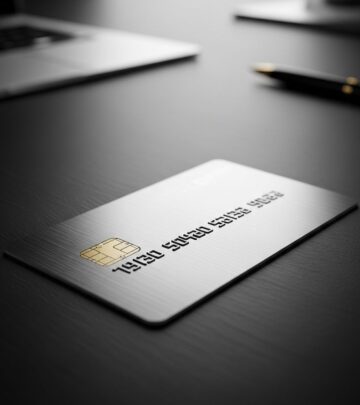
The integrated circuit chip, commonly called the EMV chip, represents one of the most significant advancements in credit card technology. This tiny microprocessor, no larger than a postage stamp, generates unique transaction codes that make counterfeiting and fraudulent copying far more difficult than with magnetic stripe-only cards. The chip placement follows strict specifications, positioned in the top-left portion of the card’s front side to ensure compatibility with chip readers at checkout terminals.
The EMV chip operates according to international standards established by EMVCo, a consortium of major payment networks. These standards dictate not only the physical placement of the chip but also the electronic protocols it must follow to ensure secure communication with terminal readers.
Magnetic Stripe Specifications
Although chip technology has largely superseded magnetic stripe reading in developed markets, the magnetic stripe remains on most credit cards for backward compatibility. The stripe consists of three tracks of magnetic data, each containing different information about the cardholder and account. The stripe’s position on the card back is standardized, typically occupying a band approximately 12.7 millimeters tall, located near the bottom of the card’s reverse side.
The magnetic stripe encodes information in a format that payment networks established decades ago, allowing older terminals and ATMs to continue processing cards. However, this technology is more vulnerable to fraud than chip-based processing, which explains why payment networks have gradually shifted toward chip and contactless technologies.
Contactless and NFC Technology Integration
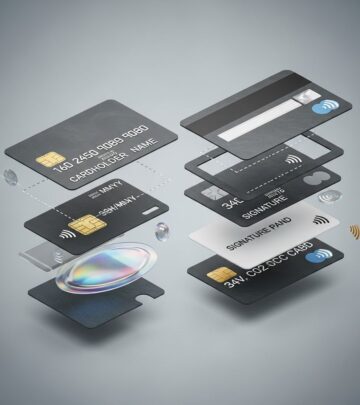
Many modern credit cards now include contactless payment capability through radio-frequency identification (RFID) or near-field communication (NFC) technology. These wireless systems are embedded within the card’s structure and operate independently of the visible chip and magnetic stripe. Contactless technology allows cardholders to tap their card against a reader rather than inserting it or swiping it, offering enhanced convenience and security.
The antenna and processor for contactless functionality are integrated into the card layers in such a way that they don’t interfere with the standard dimensions or other card features. This seamless integration demonstrates how modern card design accommodates multiple payment technologies within the same standardized form factor.
Color, Design, and Branding Elements
While dimensions and technical specifications are standardized, credit cards offer considerable flexibility in visual design. Banks and credit card issuers customize card appearance through color schemes, logos, cardholder names, and decorative elements. These design choices serve marketing purposes while maintaining compliance with all technical and dimensional standards.
The card’s front typically displays:
- Issuing bank or credit card company logo
- Payment network logo (Visa, Mastercard, etc.)
- Cardholder’s name (embossed or printed)
- Account number (embossed or printed)
- EMV chip in specified location
- Expiration date
- Hologram or security feature
The card’s back includes:
- Magnetic stripe
- Security code (CVV)
- Signature panel
- Fraud prevention information
- Cardholder service phone number
Special Card Formats and Variations
While standard rectangular cards dominate the market, some financial institutions have introduced variations while maintaining core dimensional compatibility. Virtual cards, digital wallet representations, and cryptocurrency-linked cards exist outside traditional physical specifications. However, for cards that physically exist, adherence to standard dimensions remains essential for universal compatibility.
Some specialty cards, such as metal premium cards or eco-friendly biodegradable cards, maintain the same 85.6mm × 53.98mm dimensions while using alternative materials. These innovations allow card issuers to differentiate their products while ensuring compatibility with existing payment infrastructure.
Environmental and Sustainability Considerations
As environmental awareness increases, card manufacturers are exploring sustainable alternatives to traditional PVC plastic. Biodegradable cards made from plant-based materials or recycled plastics are entering the market while maintaining standard dimensions and technical functionality. These eco-friendly options address consumer concerns about plastic waste without compromising the card’s utility or universal compatibility.
The challenge for sustainable card development lies in creating materials that withstand the physical demands of regular use—inserting into terminals, exposure to heat and moisture, repeated handling—while degrading appropriately at end-of-life. Manufacturers continue refining these materials to balance environmental responsibility with practical performance requirements.
International Standardization Bodies
The specifications for credit card dimensions and features are maintained by several authoritative bodies. The International Organization for Standardization (ISO) publishes standards such as ISO/IEC 7810, which defines the physical characteristics of identification cards. EMVCo, a consortium founded by Europay, Mastercard, and Visa, maintains technical specifications for chip-based payment cards. These organizations work collaboratively to ensure that standards evolve with technology while maintaining backward compatibility.
Future Evolution of Card Specifications
As payment technology continues evolving, card specifications may gradually change to accommodate new capabilities. Biometric security features, enhanced chip processing power, and improved contactless capabilities are being integrated into cards while maintaining dimensional standards. The financial industry’s commitment to backward compatibility means that new technologies are layered onto existing specifications rather than replacing them entirely.
The trend toward digital payments and mobile wallets may eventually reduce reliance on physical cards, but until that transition completes, the standardized credit card will remain a critical financial tool. Understanding its physical specifications provides insight into the engineering precision required to maintain a global payment infrastructure that processes hundreds of billions of transactions annually.
Frequently Asked Questions
What are the exact dimensions of a standard credit card?
Standard credit cards measure 85.6 millimeters in length by 53.98 millimeters in width, approximately 3.37 inches by 2.13 inches. The thickness typically ranges from 0.76 to 0.81 millimeters.
Why do all credit cards have the same size?
Standardized dimensions ensure universal compatibility across payment terminals, ATMs, and card readers worldwide. This consistency allows cards from any issuer to work at any merchant location, regardless of geography or payment network.
Can credit cards be made from materials other than plastic?
Yes, while traditional plastic cards remain most common, premium metal cards and eco-friendly biodegradable options now exist. These alternatives maintain standard dimensions and technical specifications while using different materials.
Where is the EMV chip located on a credit card?
The EMV chip is positioned in the top-left area of the card’s front side, following international specifications to ensure compatibility with chip readers at checkout terminals.
What is the purpose of the magnetic stripe on the back of a credit card?
The magnetic stripe provides backward compatibility with older payment terminals and ATMs that predate chip technology. It encodes account information in a format established decades ago.
References
- ISO/IEC 7810:2022 — Identification cards — Physical characteristics — International Organization for Standardization. 2022. https://www.iso.org/standard/81440.html
- EMV Specifications for Payment Systems — EMVCo. 2023. https://www.emvco.com/emv-technologies/specifications/
- Credit Cards: What They Are and How They Work — Chase Bank. 2025. https://www.chase.com/personal/credit-cards/education/basics/what-are-credit-cards-and-how-they-work
- Understanding Credit Cards — Financial Literacy Center, Yale University. 2024. https://finlit.yale.edu/planning/understanding-credit-cards
- Credit Cards 101 — NerdWallet. 2025. https://www.nerdwallet.com/credit-cards/learn/credit-cards-101
Similar Articles








Read full bio of Sneha Tete