Credit Card Overpayment: Complete Guide
Understand what happens when you pay more than your credit card balance and how to manage it.

Managing credit card payments requires careful attention to detail, yet mistakes happen to even the most diligent account holders. One common situation that can occur is accidentally paying more than the amount you actually owe on your credit card account. While this might seem like a financial misstep, the reality is far more straightforward than many people assume. Understanding what happens when you overpay your credit card, the causes behind these situations, and the available remedies can help you navigate this scenario with confidence.
Defining Credit Card Overpayment and Negative Balances
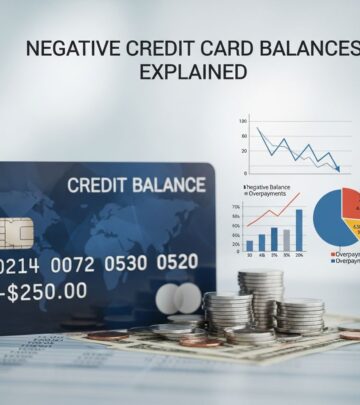
An overpayment occurs when you submit a payment to your credit card issuer that exceeds your current outstanding balance. For instance, if your account shows a balance of $500 but you inadvertently pay $750, the extra $250 constitutes an overpayment. Rather than being penalized for this mistake, your credit card account will reflect what’s known as a negative balance. This negative balance represents money that your credit card company technically owes to you.
When a negative balance appears on your account, it’s automatically converted into a statement credit by your card issuer, as mandated by federal banking regulations. This credit then becomes available to offset any new purchases you make going forward. The presence of a negative balance poses no financial penalty, no interest charges, and no fees—making it one of the few credit card errors with genuinely no downside.
Common Scenarios That Lead to Overpayment
Understanding how overpayments occur can help you take preventive measures. Several situations regularly result in customers paying more than they owe:
- Duplicate Payment Processing: Setting up automatic payments while simultaneously making a manual payment often causes unintended overpayments. You might forget that autopay is scheduled and make an additional payment yourself, resulting in the full balance being paid twice.
- Data Entry Mistakes: When entering payment information online, a single typing error—such as adding an extra digit or misplacing a decimal point—can easily result in paying significantly more than intended.
- Post-Payment Refunds: If you pay your complete balance and subsequently receive a refund from a merchant for a returned item or disputed charge, that refund credit gets applied to your account, creating an overpayment situation.
- Rewards Redemption Timing: Many cardholders redeem accumulated rewards points as statement credits toward their balance. If you pay your full balance before this redemption processes, the later application of the credit results in an overpayment.
- Multi-Card Payment Confusion: People managing several credit cards sometimes accidentally direct payment intended for one card to another card instead, creating an overpayment on one account while leaving another underpaid.
The Impact on Your Credit Score and Credit Utilization
One of the most significant concerns people have about credit card mistakes is the potential damage to their credit score. Fortunately, overpaying your credit card presents virtually no credit score risk. Credit bureaus typically report a negative balance as a zero balance on your credit report, meaning it doesn’t harm your creditworthiness in any measurable way.
Interestingly, overpaying can actually benefit your credit profile in one specific way. When you carry a negative balance, it reduces your overall credit utilization ratio—the percentage of your available credit that you’re actively using. A lower utilization ratio positively impacts your credit score, as it demonstrates responsible credit management and suggests you’re not overextending yourself financially. This minor silver lining makes the occasional overpayment something that need not worry you.
Your Options for Resolving an Overpayment
Once you realize you’ve overpaid your credit card, you have flexibility in how you address the situation. Federal law and credit card company policies provide you with clear options:
Option One: Request a Direct Refund
If you prefer to have your overpaid amount returned to you immediately, you can contact your credit card issuer and request a refund. Under the Fair Credit Billing Act (FCBA), you have the explicit right to request reimbursement if your overpayment exceeds $1. Your card issuer must honor this request and process your refund within seven business days of receiving it.
When requesting a refund, you can typically choose your preferred method of reimbursement. Most issuers offer options including direct deposit to your bank account or a mailed check. Simply calling the customer service number on the back of your card, visiting your issuer’s website, or sending a written request will initiate this process.
Option Two: Apply Credit to Future Purchases
Alternatively, you can leave the negative balance in your account and allow it to function as a credit against future charges. This approach requires no action on your part—the credit automatically applies to subsequent purchases you make with that card. This method is particularly convenient if you regularly use that credit card and don’t mind the credit offsetting upcoming expenses.
Option Three: Automatic Refund After Six Months
If you do nothing about your overpayment, federal banking regulations require your credit card issuer to make efforts to return your overpaid funds after six months have elapsed. This automatic refund provision ensures that you won’t lose money due to inaction or forgetfulness. However, relying on this option isn’t ideal since it means waiting half a year and your money sitting unavailable during that period.
Preventing Overpayments Before They Happen
While overpayments pose no real harm, prevention remains preferable to dealing with the issue after the fact. Several strategies can help reduce the likelihood of paying more than you owe:
- Verify Autopay Settings: If you use automatic payments, mark your calendar with the payment date to avoid manually paying again before autopay processes. Some card issuers allow you to set specific payment dates that align with when you receive income.
- Double-Check Payment Amounts: Before confirming any online payment, carefully review the amount you’re paying against your current balance statement. Take an extra second to verify all numbers are correct.
- Coordinate Rewards Redemption: Check your rewards balance and redemption schedule before making payment. If you plan to redeem points as a statement credit, wait for that credit to post before paying your full balance.
- Maintain Separate Payment Tracking: If you have multiple credit cards, create a simple spreadsheet or use your bank’s payment management system to track which cards you’ve already paid. This prevents accidental duplicate or misdirected payments.
- Choose One Payment Method: Decide whether you’ll use autopay or manual payments, then stick with that choice. Mixing both approaches dramatically increases the risk of paying twice.
Comparing Overpayment Resolution Methods
| Resolution Method | Timeline | Best For | Action Required |
|---|---|---|---|
| Direct Refund Request | 7 business days | Those wanting cash back immediately | Contact issuer by phone, mail, or online |
| Apply to Future Purchases | Immediate | Regular cardholders who use the card frequently | None—automatic application |
| Automatic Refund | 6+ months | No urgency to access funds | None—issuer initiates |
Important Distinctions: Overpayment vs. Going Over Your Credit Limit
It’s important to distinguish between overpaying your card and exceeding your credit limit, as these are entirely different situations with very different consequences. Exceeding your credit limit—charging purchases beyond your approved limit—can result in declined transactions, reduced credit limits, card cancellation, and damage to your credit score. This scenario is problematic and should be avoided.
Overpaying, by contrast, simply means paying more toward your existing balance than you owe. This creates a credit in your favor, not a debt problem. The distinction is crucial for understanding that overpayment is a minor, easily resolved administrative matter rather than a serious credit issue.
Understanding Federal Protections for Overpayments
Your rights regarding credit card overpayments are protected by federal law, specifically the Fair Credit Billing Act. This legislation ensures that:
- You can request a refund for any overpayment exceeding $1
- Your issuer must process refund requests within seven business days
- Your issuer must attempt to return unapplied overpayments after six months
- No fees or penalties can be charged for overpaying
- Overpayments are automatically converted to statement credits
These protections mean you have genuine legal recourse if your credit card company fails to handle your overpayment appropriately.
Frequently Asked Questions About Credit Card Overpayments
Will overpaying my credit card hurt my credit score?
No. Overpaying your credit card will not damage your credit score. In fact, it may slightly improve your credit utilization ratio, which can modestly benefit your score.
How long can I leave a negative balance on my credit card?
You can leave a negative balance indefinitely. It will automatically apply as a credit to future purchases. However, if the balance remains unused for six months, your issuer will attempt to refund you.
Can I transfer my negative balance to another card?
Generally, no. Negative balances cannot be transferred like regular balances. Your best option is to request a refund or continue using that card until the credit is depleted.
Does overpaying count as an extra payment toward principal?
An overpayment is credited to your account as a statement credit, which then offsets future charges. It’s not considered an additional principal payment if you had no balance at the time of overpayment.
What if I overpaid by a large amount?
Large overpayments should definitely be addressed. Contact your issuer immediately to request a refund rather than allowing significant funds to remain tied up in your account.
Moving Forward: Best Practices for Credit Card Management
While overpayments are easily resolved, establishing strong payment habits prevents future complications. Set calendar reminders for payment due dates, use your card issuer’s mobile app to verify balances before paying, and establish a consistent payment routine. Many financial experts recommend paying on the same day each month, either through autopay or manual payment—choosing one consistent method eliminates confusion.
By understanding the mechanics of credit card overpayments and knowing your options for resolution, you can handle this situation with confidence should it occur. The good news is that unlike many financial mistakes, an accidental overpayment carries no penalties, no interest, and no credit damage.
References
- What Happens If You Overpay Your Credit Card? — NerdWallet. 2024. https://www.nerdwallet.com/credit-cards/learn/what-happens-if-you-overpay-your-credit-card
- What Happens if You Overpay Your Credit Card? — Experian. 2024. https://www.experian.com/blogs/ask-experian/what-happens-if-you-overpay-your-credit-card/
- What Happens if I Overpay my Credit Card? — Chase Bank. 2024. https://www.chase.com/personal/credit-cards/education/basics/overpay-credit-card
- What Happens If You Overpay Your Credit Card? And What Do You… — SoFi. 2024. https://www.sofi.com/learn/content/overpaying-your-credit-card/
Similar Articles








Read full bio of medha deb