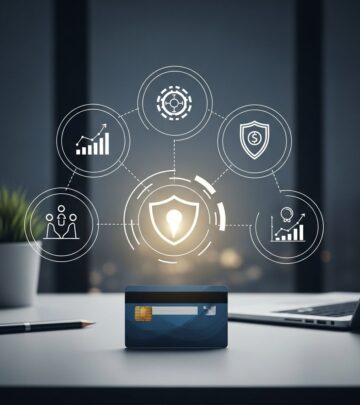
Credit Card Lock: Essential Security Guide
Discover how locking your credit card provides instant protection against unauthorized use while keeping it ready for your next purchase.
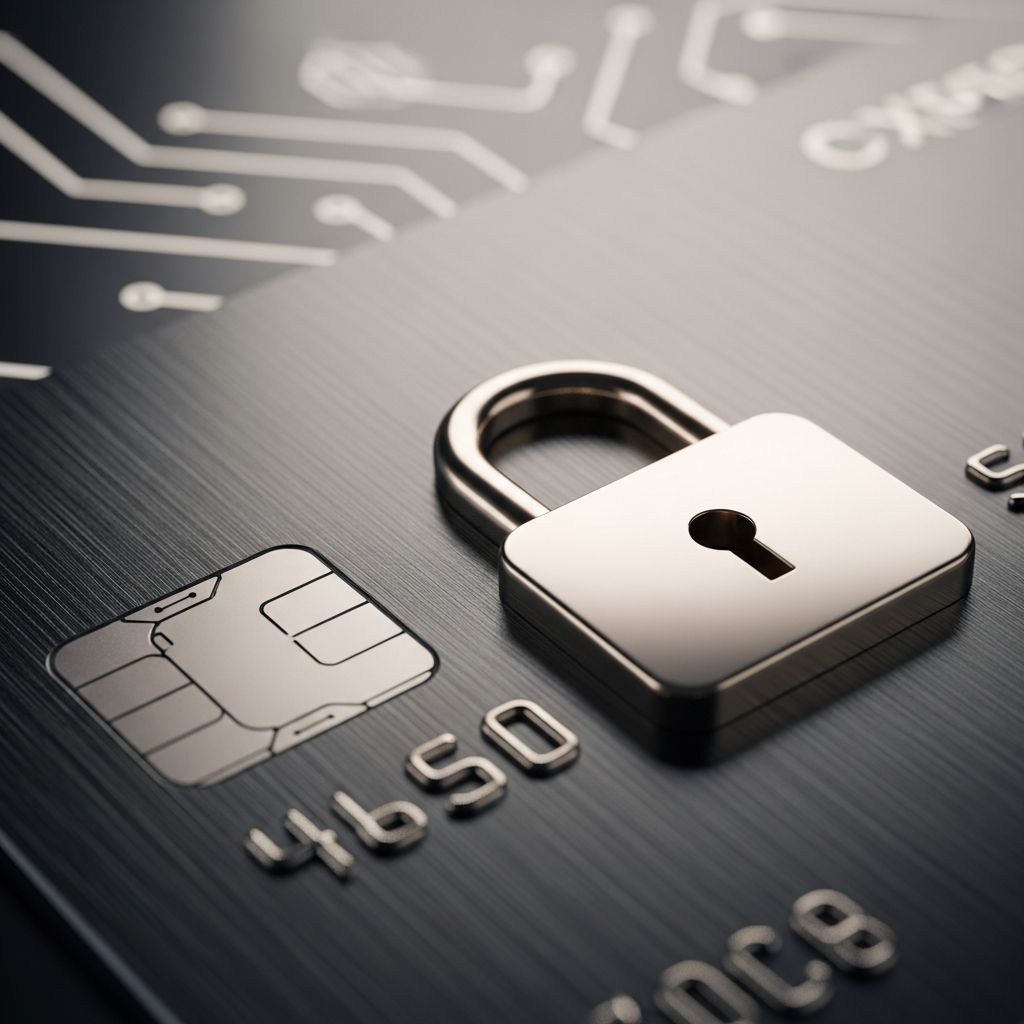
In today’s digital age, where cyber threats loom large, safeguarding your credit card is paramount. The
credit card lock
feature empowers users to temporarily disable their card, halting all transactions without canceling it entirely. This tool acts as a digital barrier, preventing unauthorized purchases while allowing quick reactivation when needed.Why Credit Card Locking Matters in Modern Banking
Credit card fraud tops the list of identity theft incidents, as reported by regulatory bodies. With billions in fraudulent losses annually, consumers need proactive defenses. Locking your card offers peace of mind, especially after misplacing it or spotting suspicious activity. Unlike permanent cancellation, locking preserves your credit line and account history.
Financial institutions integrate this with advanced tech like EMV chips and AI monitoring. EMV technology embeds a chip that generates unique codes per transaction, thwarting counterfeit attempts. Combined with locking, it forms a multi-layered shield.
How Does Credit Card Locking Actually Work?
Locking suspends your card’s functionality across merchants, ATMs, and online platforms. Transactions are blocked instantly upon activation, but recurring payments or authorized holds might need separate handling. Banks use secure apps or websites for this toggle.
- Instant Effect: New charges decline immediately.
- Selective Control: Some systems allow locking purchases while permitting ATM withdrawals.
- No Credit Impact: Your score remains unaffected, unlike closures.
Behind the scenes, networks like Visa employ AI-driven analysis. Visa Advanced Authorization scans transaction types, spending patterns, and timing in milliseconds, assigning risk scores to flag anomalies. Locking complements this by user-initiated intervention.
Unlocking the Benefits of Temporary Card Freezes
The primary advantage is rapid response to potential threats. Forgot your wallet at a restaurant? Lock it remotely via mobile app. This feature surged in popularity post-pandemic, aligning with contactless payment booms using NFC tech.
| Feature | Locking | Cancellation |
|---|---|---|
| Speed | Instant toggle | Days to process new card |
| Credit Score | No change | Possible inquiry hit |
| Reactivation | Immediate | New application needed |
| Cost | Free | Potential fees |
Mastercard’s Identity Check adds biometrics and device data for verification, enhancing lock’s efficacy. Users report fewer disputes, saving time and stress.
Step-by-Step: Activating and Managing Your Card Lock
- Access Your Account: Log into your bank’s app or portal using secure credentials.
- Locate Security Settings: Navigate to ‘Card Controls’ or ‘Manage Cards’ section.
- Select Lock Option: Toggle the switch; confirm via PIN or biometrics.
- Monitor Alerts: Enable notifications for all activity.
- Unlock When Ready: Repeat process to resume use instantly.
Many banks, including major networks, support two-factor authentication (2FA) for these actions, requiring OTPs. Virtual cards, which auto-expire, pair well with locking for high-risk spends.
Common Myths About Locking Your Credit Card
Misconceptions deter some users. One myth: locking stops all payments, including bills. Reality: Set up exceptions for trusted merchants. Another: It alerts banks of hacks. Truth: Pair it with fraud reporting for full protection.
- Myth: Locked cards can’t receive rewards. Fact: Points accrue on pending authorizations.
- Myth: Only for lost cards. Fact: Ideal for travel or online shopping pauses.
PCI DSS standards mandate secure data handling, ensuring lock commands transmit encrypted.
Advanced Security Layers Beyond Basic Locking
Locking shines within broader ecosystems. Tokenization replaces card details with unique identifiers, invisible to merchants. Discover’s ProtectBuy uses 3DS for online checks, sending OTPs only on high-risk buys.
American Express layers EMV with CIDs—four-digit codes on card fronts—for extra verification. Fraud alerts via SMS/email notify of irregularities, prompting immediate locks.
Real-World Scenarios: When to Lock Your Card
Imagine shopping online; a data breach hits the site. Lock proactively. Or traveling abroad—disable international transactions pre-trip. Post-purchase reviews show users locking after large buys to prevent skimming.
Statistics underscore urgency: FTC notes credit card fraud as prevalent identity theft. Proactive locking reduces exposure.
Integrating Locks with Daily Financial Habits
Combine with strong passwords, avoiding public Wi-Fi for banking, and regular credit checks via AnnualCreditReport.com. Update contact info for alerts. Prefer credit over debit online—easier disputes.
Frequently Asked Questions (FAQs)
Does locking affect my credit score?
No, it’s a temporary hold with no reporting impact.
Can I lock individual cards on multi-card accounts?
Yes, most apps allow per-card controls.
What if a locked card has a pending charge?
Pending items process; new ones block.
Is card locking available on all cards?
Most major issuers offer it; check your app.
How does locking differ from freezing credit reports?
Card lock is transaction-specific; credit freeze blocks new accounts.
Best Practices for Long-Term Card Protection
Regularly review statements, enable all alerts, and use virtual numbers for e-commerce. Banks like those with lifetime-free options let you preset transaction limits. Stay vigilant—security evolves with threats.
References
- 9 Key Credit Card Security Features 2025 – How They Protect You — IDFC FIRST Bank. 2025. https://www.idfcfirst.bank.in/finfirst-blogs/credit-card/credit-card-security-features-how-they-protect-you
- How Major Credit Card Networks Protect Customers Against Fraud — Bankrate. 2023. https://www.bankrate.com/credit-cards/advice/major-credit-card-networks-protect-against-fraud/
- Understanding Payment Card Industry Data Security Standard (PCI DSS) — UCSF Controller’s Office. 2024. https://controller.ucsf.edu/how-to-guides/accounts-receivable-banking-services/understanding-payment-card-industry-data-security
- 10 tips to prevent credit card fraud and keep your card safe — Fidelity. 2024. https://www.fidelity.com/learning-center/personal-finance/10-credit-card-security-tips
- Visa Credit Card Security & Fraud Protection — Visa. 2024. https://usa.visa.com/support/consumer/security.html
Similar Articles








Read full bio of Sneha Tete