Credit Card Installment Plans: Smart Move or Hidden Trap?
Discover when credit card installment plans help manage big buys and when they lead to costly debt traps—key insights for smarter spending.
Credit card installment plans allow cardholders to spread payments for eligible purchases over fixed terms, often at a set fee or interest rate rather than the card’s standard variable APR. These options aim to provide structure for larger expenses, but their true value depends on your financial situation and the plan’s terms.
How Credit Card Installment Plans Function
Unlike traditional revolving credit, where balances carry variable interest until paid off, installment plans convert specific purchases into fixed monthly payments added to your minimum due. Eligibility typically requires a minimum purchase amount, such as $100, and approval based on factors like purchase size and credit profile. Repayment periods range from three months to several years, isolating the expense from your overall balance to simplify tracking.
These plans often feature promotional rates or flat fees, potentially lower than standard card APRs averaging around 19%. For instance, fixed payments shield you from rate fluctuations, offering payment predictability.
Key Advantages of Opting for Installment Financing
Installment plans shine in scenarios demanding structured repayment for significant outlays.
- Targeted Repayment for Big-Ticket Items: Ideal for appliances, travel, or electronics where lumping into revolving debt risks oversight. The plan carves out fixed installments, ensuring steady progress.
- Cost Savings Potential: If the plan’s rate or fee beats your card’s APR, you reduce borrowing costs. Compare terms upfront to confirm savings, especially with fixed structures avoiding variable rate hikes.
- Budget-Friendly Predictability: Fixed amounts align with income cycles, unlike minimum payments that can swell with balances. Early payoff options often waive remaining fees, adding flexibility.
Situations Where Installment Plans Fall Short
Not every purchase warrants this financing; misuse can amplify debt burdens.
- Able to Pay in Full: Financing incurs fees or interest unnecessarily if cash flow allows immediate payoff, preserving full rewards and avoiding all costs.
- Temptation to Overspend: Easy access encourages impulse buys beyond means, stacking plans and straining future budgets.
- Credit Limit Constraints: The installment amount still occupies your limit, potentially blocking other needs during the term.
Installment Plans vs. Traditional Credit Card Usage
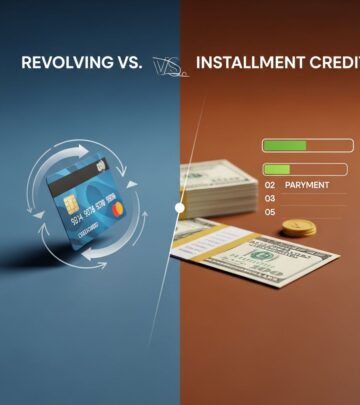
| Aspect | Credit Card Revolving | Installment Plan |
|---|---|---|
| Interest Structure | Variable APR (~19.1% avg) | Fixed rate/fee, often lower |
| Payment Predictability | Minimum based on balance | Set monthly amount |
| Best For | Small, flexible spending | Large, one-time purchases |
| Credit Impact | Utilization affects score | Isolated but still counts |
Revolving credit suits everyday transactions with quick payoffs, while installments better handle substantial, infrequent expenses due to lower rates and structure.
Comparing to Buy Now, Pay Later Services
BNPL options split purchases into interest-free installments, often bi-weekly, without credit checks for small sums. However, they lack credit card perks like rewards and are merchant-specific. Late fees apply harshly, and larger plans may accrue interest. Credit cards with installments offer broader use and potential rewards, but BNPL provides no-interest simplicity for qualifying buys.
Personal Loans as a Stronger Alternative
For major financing, personal installment loans often outperform card plans with rates around 9-12% and higher limits up to $25,000. No collateral needed for unsecured loans, and predictable terms aid budgeting. Unlike cards, loans don’t tie up revolving credit, preserving flexibility.
- Lower rates than cards
- Higher borrowing caps
- Fewer fees with select lenders
Navigating Eligibility and Application
Issuers notify eligible purchases at checkout or via app. Review APR, fees, term length, and early payoff rules before enrolling. Minimums start at $100, with approvals factoring creditworthiness. Plans integrate into statements seamlessly, but monitor utilization to protect your score.
Impact on Credit Scores and Financial Health
Installments count toward utilization (30% of FICO score), so long terms could temporarily raise ratios. On-time payments build positive history, but defaults harm scores severely. Use sparingly to avoid overextension, as total U.S. card debt exceeds $887 billion.
Practical Strategies for Responsible Use
Maximize benefits while minimizing risks with these steps:
- Calculate Total Cost: Use calculators to project fees vs. savings.
- Limit to Essentials: Reserve for planned, necessary large buys.
- Explore 0% Intro Offers: Cards with 6-21 month 0% APR avoid fees entirely for qualified users.
- Build Savings Buffer: Delay non-urgent purchases until cash reserves suffice.
- Track All Plans: List terms and due dates to prevent overlaps.
Frequently Asked Questions
Do credit card installment plans affect my credit score?
They contribute to utilization and payment history; positive use helps, but high balances or misses hurt.
Can I pay off an installment plan early?
Yes, most allow prepayment without penalty, potentially saving fees.
Are there fees beyond interest?
Commonly fixed monthly fees instead of interest; review terms carefully.
How do they differ from BNPL?
Card plans use existing credit lines with possible fees; BNPL is often interest-free but limited to partners.
What’s better for a $2,000 purchase?
Compare card APR, plan terms, 0% intro cards, or personal loans based on your rates and term needs.
Final Considerations for Financing Decisions
Installment plans offer convenience for structured repayment but demand scrutiny of costs and fit. Prioritize full payments when possible, and diversify options like 0% promos or loans for optimal savings. Responsible use enhances financial control without derailing long-term goals.
References
- Should You Use a Credit Card Installment Plan? — Experian. 2023. https://www.experian.com/blogs/ask-experian/should-you-use-credit-card-installment-plan/
- Credit Cards vs. Installment Loans: Which is Best for Your Customers? — Wisetack. 2023. https://www.wisetack.com/blog/credit-cards-vs-installment-loans
- Buy Now, Pay Later vs. Credit Cards, Which Should You Use? — myFICO. 2023. https://www.myfico.com/credit-education/blog/BNPL-vs-credit-cards
- Pros and Cons: Credit Card vs. Buy Now Pay Later? — Fulton Bank. 2023. https://www.fultonbank.com/Education-Center/Managing-Credit-and-Debt/Should-you-use-a-credit-card-or-buy-now-pay-later
Similar Articles








Read full bio of Sneha Tete