Credit Card Declines: Score Impact Explained
Discover why a declined credit card transaction rarely harms your credit score and learn proactive steps to maintain strong financial health.

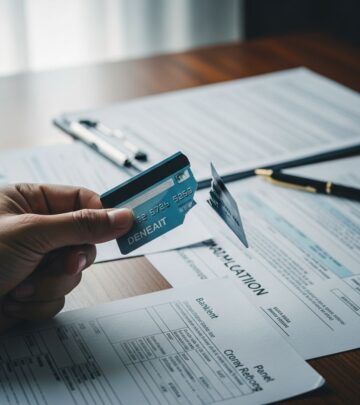
When your credit card gets rejected at a store or online, it’s natural to worry about your credit standing. The good news is that the decline itself carries no direct penalty to your credit score. Instead, the real concerns often lie in the reasons behind the rejection, which could signal broader financial habits needing attention.
Understanding Transaction Declines
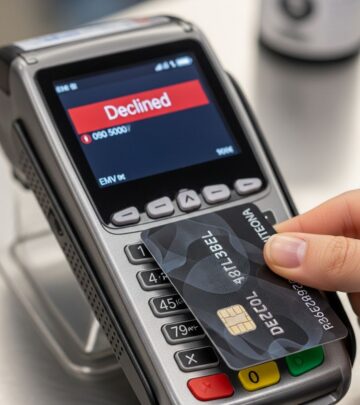
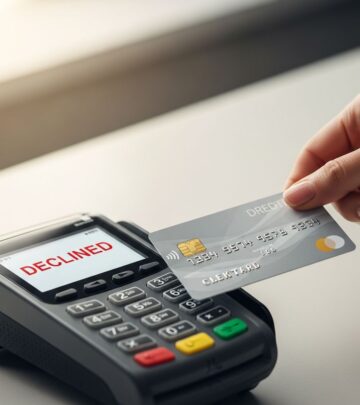
A credit card decline happens when a merchant’s payment processor communicates with your issuer and receives a ‘no’ response. This process doesn’t trigger any credit bureau reporting. No inquiry occurs, and no negative mark appears on your credit file. Major bureaus like Experian, Equifax, and TransUnion only track account activities such as payments, balances, and new applications—not point-of-sale decisions.
Common triggers include technical glitches, like an expired card or incompatible readers, or issuer-side holds for security. These are benign and resolve quickly without score repercussions.
Reasons Your Card Might Get Declined
Declines stem from various sources, some harmless and others pointing to credit health red flags. Here’s a breakdown:
- Insufficient Funds or Credit Limit Reached: If your balance nears or hits the limit, transactions fail. High utilization—over 30% of available credit—directly lowers scores, as it comprises 30% of FICO models.
- Pending Holds: Reservations for hotels or rentals place temporary authorizations, reducing available credit temporarily.
- Payment Delinquencies: Late or missed payments prompt issuers to restrict usage, protecting against further risk. Payment history is the largest FICO factor at 35%.
- Fraud Alerts: Unusual activity, like travel without prior notice, triggers blocks. While protective, associated fraud can indirectly affect scores if balances rise.
- Account Closure: Issuers may close inactive or risky accounts, leading to unexpected declines.
| Decline Reason | Credit Impact | Fix |
|---|---|---|
| High Utilization | Yes, lowers score | Pay down balance |
| Fraud Suspicion | Indirect if disputed | Contact issuer |
| Expired Card | None | Update card info |
| Late Payment | Yes, major ding | Set autopay |
Separating Declines from Applications
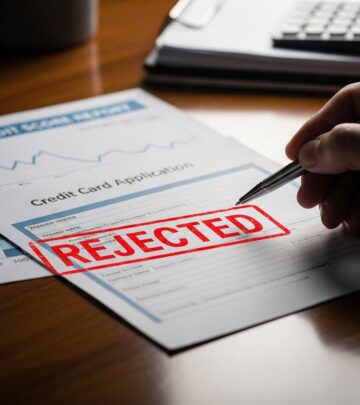
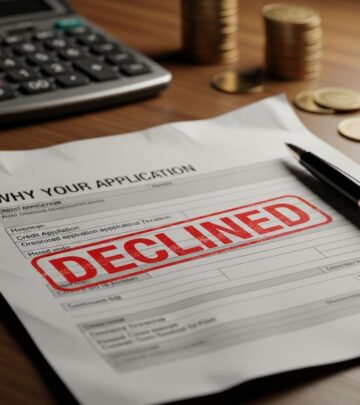
Confusion often arises between transaction declines and application denials. Applying for new credit involves a hard inquiry, which temporarily drops scores by 5-10 points, lasting months. This affects the ‘new credit’ category (10% of FICO). Denial itself doesn’t add harm; the inquiry does, regardless of outcome.
Transaction declines skip this entirely—no inquiry, no impact. Focus on the distinction: checkout rejections are isolated, while applications signal broader lender scrutiny.
Long-Term Credit Score Factors
Credit scores reflect patterns over time. FICO and VantageScore weigh:
- Payment History (35%): On-time payments build trust.
- Amounts Owed (30%): Keep utilization low.
- Length of History (15%): Older accounts boost reliability.
- New Credit (10%): Limit applications.
- Credit Mix (10%): Variety shows versatility.
A single decline won’t alter these, but patterns like chronic high balances will.
Steps to Respond to a Decline
Act swiftly to diagnose and resolve:
- Retry with Another Card: Avoid embarrassment while investigating.
- Call Your Issuer: Get the exact reason—often provided instantly.
- Check Balances: Log in to verify limits and pending charges.
- Review Statements: Spot unauthorized use.
- Update Info: Confirm expiration, address, or travel notifications.
Proactive monitoring via apps or alerts prevents surprises.
Preventing Future Declines
Build resilience against rejections:
- Maintain utilization under 30%, ideally 10%.
- Pay bills early or use autopay.
- Notify issuers of travel plans.
- Keep a backup card with low balances.
- Monitor reports weekly via AnnualCreditReport.com (official U.S. site).
These habits not only dodge declines but elevate scores over time.
Application Denials vs. Transaction Declines
If pursuing new credit, understand denial dynamics. Lenders review scores, income, and history. Common rejection reasons:
- Low score or thin file.
- High debt-to-income.
- Recent inquiries.
Denials don’t report; inquiries do. Space applications 6+ months apart.
Improving Credit After Issues
Address root causes:
Lower Utilization: Pay down aggressively; request limit increases (soft inquiry if existing customer).
Fix Payments: Catch up, then automate.
Build History: Secured cards for thin files.
Positive changes reflect in 1-2 months.
Frequently Asked Questions
Does a declined purchase appear on my credit report?
No, only account-level data reports. Declines are internal issuer decisions.
How long does a hard inquiry last?
Visible 2 years, score impact 12 months.
Can I dispute a decline?
Yes, contact issuer for clarification; fraud claims get priority.
Does maxing a card hurt more than one decline?
Yes, utilization spikes tank scores faster than isolated events.
Should I apply for credit right after a decline?
No, resolve underlying issues first to boost approval odds.
Expert Strategies for Credit Wellness
Banks like Chase and Citi emphasize monitoring. Use free tools from bureaus. For thin files, starter cards help without heavy inquiry risks.
In summary, treat declines as signals, not setbacks. Consistent habits ensure robust credit.
References
- Does Applying For A Credit Card Hurt Your Credit? — Bankrate. 2023. https://www.bankrate.com/credit-cards/advice/how-a-new-credit-card-can-affect-your-credit-score/
- Does Having Your Credit Card Declined Hurt Your Credit? — Experian. 2023. https://www.experian.com/blogs/ask-experian/does-having-your-credit-card-declined-hurt-your-credit/
- Does Getting Denied a Credit Card Hurt Your Credit Score? — Netspend. 2023. https://www.netspend.com/blog/does-getting-denied-a-credit-card-hurt-your-credit-score
- Does Applying for a Credit Card Affect Your Credit Score? — TD Bank. 2023. https://www.td.com/us/en/personal-banking/learning/does-applying-for-a-credit-card-affect-credit-score
- Does Getting Denied Affect Your Credit Score? — Chase. 2023. https://www.chase.com/personal/credit-cards/education/credit-score/does-getting-denied-affect-credit
- Does Getting Denied for a Credit Card Hurt Your Credit? — Citi. 2026-03-06. https://www.citi.com/credit-cards/understanding-credit-cards/does-getting-denied-for-credit-card-hurt-credit
Similar Articles








Read full bio of Sneha Tete