Credit Card Declined? Common Causes and Fixes
Discover why your credit card gets declined at checkout and learn proven steps to resolve issues fast for seamless spending.
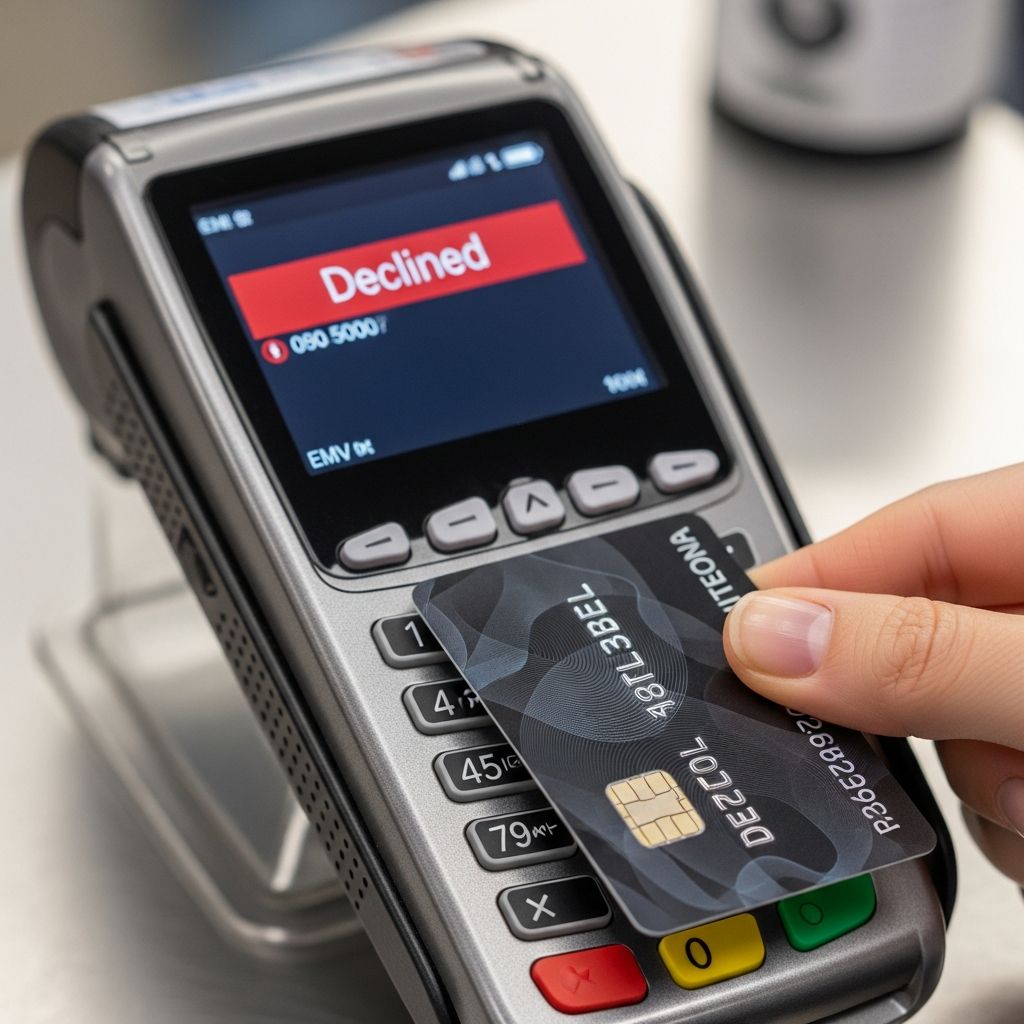
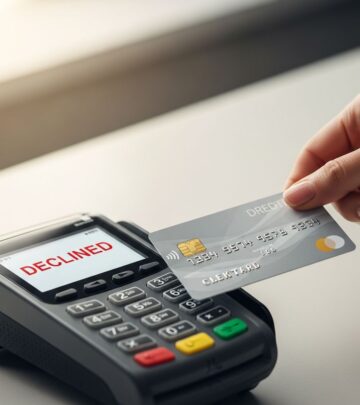
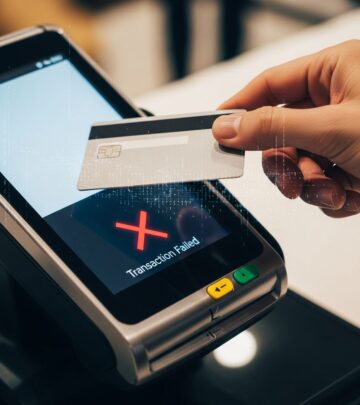
Your credit card is a vital tool for everyday purchases, travel, and emergencies, but nothing disrupts a transaction more than seeing “declined” flash on the screen. Whether at a store, online, or an ATM, a declined card can stem from various technical, financial, or security issues. This comprehensive guide breaks down the primary triggers behind these rejections, offers practical troubleshooting steps, and shares prevention strategies to keep your spending uninterrupted. By understanding the mechanics of card processing, you’ll regain control over your finances swiftly.
Decoding the Decline Message: What It Really Means
Card declines occur when the payment network—linking your bank, the merchant, and processors—flags a transaction as unviable. This automated safeguard protects against risks like overspending or fraud. Instant declines happen via algorithms evaluating real-time data, while others require manual review. Common messages include “insufficient funds,” “do not honor,” or “contact issuer,” each pointing to distinct problems. Recognizing these signals is the first step to resolution, as they guide whether you need to check your balance, call support, or update details.
Primary Financial Reasons for Card Declines
Financial constraints top the list of decline causes, often tied directly to your account status. Issuers monitor balances closely to enforce limits and prevent debt spirals.
- Exceeded Credit Limit: Attempting charges beyond your assigned limit triggers automatic rejection. Banks set limits based on creditworthiness during approval, factoring in income, score, and history.
- Insufficient Available Credit: Even under limit, pending authorizations (like hotel holds) temporarily reduce availability. For example, gas pumps may reserve $100 upfront, blocking other spends until settled.
- Over-Limit Transactions: Merchants adding fees or tips can push totals over, especially internationally where currency conversion inflates amounts.
To verify, log into your online banking portal or app for real-time limit views. Request increases proactively if usage patterns demand it, but note this may involve credit checks.
Technical and Processing Glitches Behind Rejections
Not all declines signal personal issues; many arise from systemic hiccups in the payment ecosystem.
| Issue Type | Description | Typical Fix |
|---|---|---|
| Merchant-Side Error | POS terminal faults or network outages prevent authorization. | Retry with alternate card or payment method. |
| Expired Card Details | Outdated expiration or mismatched CVV blocks approval. | Update info in digital wallets or profiles. |
| International Restrictions | Cross-border blocks due to unverified travel notices. | Notify issuer of trips in advance. |
| Chip/PIN Mismatch | EMV failures in regions requiring PINs. | Use contactless or request new chip. |
Processing involves multiple layers: issuer authorization, network routing (Visa/Mastercard), and acquirer confirmation. Disruptions at any point cause fails, often resolving within hours.
Security Measures That Trigger Declines
Banks prioritize fraud prevention, sometimes erring on caution. Advanced AI scans patterns like unusual locations or rapid spends.
- Suspected Fraud Alerts: Sudden high-value buys or logins from new devices prompt holds. Velocity checks flag multiple attempts.
- Account Lockouts: Post-suspicion, cards freeze until verification via app, call, or one-time passcode.
- 3D Secure Failures: Online buys needing Verified by Visa or Mastercard SecureCode decline without OTP confirmation.
Pro tip: Enable transaction alerts for immediate awareness. Legitimate patterns build trust over time, reducing false positives.
Account Status and Behavioral Factors
Your card’s health directly impacts usability. Dormant accounts or disputes can halt activity.
- Overdue Payments: Missed minimums lead to blocks until cured. Late fees compound risks.
- Disputed Charges: Active claims pause related spends.
- New Account Holds: Fresh cards often limit initial use to curb abuse.
- Credit Bureau Flags: Negative reports or freezes block pulls needed for auth.
Maintain status via statements; pay early to avoid cycles.
Merchant and External Influences
Third-party elements often escape user notice.
- High-Risk Merchant Blocks: Issuers restrict casinos, crypto, or unregulated sites.
- Pre-Authorization Holds: Rentals/hotels reserve funds longer than expected.
- Currency Conversion Issues: Dynamic rates exceed budgets unexpectedly.
Shop with trusted vendors; query policies pre-purchase.
Step-by-Step Troubleshooting Guide
- Review Recent Activity: Check app for holds, balances, limits.
- Retry Safely: Wait 24 hours; use smaller amounts first.
- Contact Issuer: Call support (back of card) with transaction details for unlocks.
- Update Profile: Confirm address, phone, email matches records.
- Thaw Credit if Needed: Lift bureau freezes for verifications.
- Escalate if Pending: Follow up on applications or disputes.
Document interactions; resolutions typically occur same-day.
Preventing Future Declines: Best Practices
Proactive habits minimize disruptions.
- Track spending via apps; set custom alerts at 80% limit.
- Notify of travel 48 hours ahead.
- Opt for digital wallets reducing CVV needs.
- Build history with on-time payments, low utilization.
- Diversify cards for backups.
Monitor FICO/VantageScore regularly; improvements unlock better terms.
Special Scenarios: Travel, Online, and Large Purchases
Travel Declines: Jet lag + new locales mimic fraud. Pre-notify via app.
Online Shopping: Enable 3DS; use guest checkouts sparingly.
Large Buys: Split payments or seek pre-approvals.
Legal Rights and Protections
Regulations like FCBA shield against unfair blocks. Dispute erroneous declines formally; expect responses within 30 days. No consent needed for issuance, but declines must explain via adverse action notices.
Frequently Asked Questions
Why was my credit card declined with money available?
Holds, pending charges, or temp limits reduce availability despite balance.
Can I get declined for too many recent applications?
Yes, rules like 5/24 cap approvals to manage risk.
How long do fraud holds last?
Usually 24-72 hours post-verification.
Does a decline hurt my credit score?
No, declines don’t impact scores; only inquiries do.
What if declined abroad?
Use ATM for cash; contact international support.
References
- How do banks issue credit cards? A complete guide — GR4VY. 2023. https://gr4vy.com/posts/how-do-banks-issue-credit-cards-a-complete-guide/
- How to Apply for a Credit Card So You’ll Get Approved — NerdWallet. 2025-01-15. https://www.nerdwallet.com/credit-cards/learn/apply-for-a-credit-card
- What Happens When You Apply for a Credit Card? — Discover. 2024-11-20. https://www.discover.com/credit-cards/card-smarts/what-happens-when-apply-credit-card/
- What really happens when you apply for a credit card — Bankrate. 2025-02-01. https://www.bankrate.com/credit-cards/advice/what-really-happens-when-you-apply-for-a-credit-card/
- What Happens After I Apply for a Credit Card? — Experian. 2024-10-10. https://www.experian.com/blogs/ask-experian/what-happens-after-i-apply-for-a-credit-card/
- Credit card approval: What do companies look at? — Chase. 2025. https://www.chase.com/personal/credit-cards/education/basics/credit-card-approval
Similar Articles








Read full bio of Sneha Tete