Credit Card Debt Trends: Five-Year Evolution
Understanding how American credit card balances have surged past records in recent years
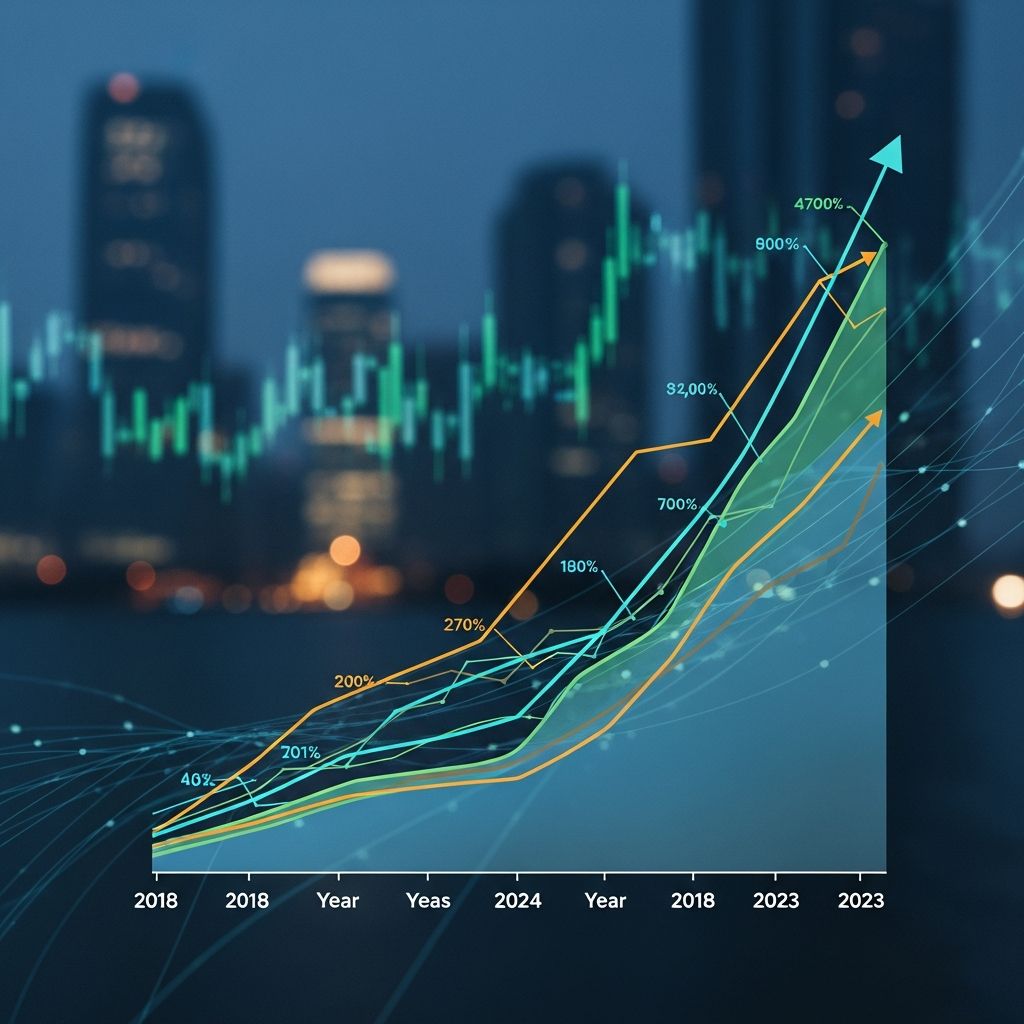
The landscape of American consumer credit has undergone a dramatic transformation over the past five years. What began as a period of relative stability has evolved into an era of unprecedented debt accumulation, with credit card balances reaching levels that far exceed pre-pandemic records. Understanding this trajectory requires examining the forces driving these increases, the demographics most affected, and what these trends suggest for the future of American household finances.
The Scale of the Debt Explosion
The magnitude of credit card debt growth over the past five years cannot be overstated. Americans’ total credit card balance reached $1.277 trillion as of the fourth quarter of 2025, according to data from the Federal Reserve Bank of New York. This represents a staggering increase from the pandemic low of $770 billion in the first quarter of 2021, marking a 66 percent increase in nearly five years.
To contextualize this growth, consider that current balances exceed pre-pandemic records by $350 billion. When the previous peak occurred in the fourth quarter of 2019, credit card debt stood at $927 billion—a figure that seemed concerning at the time. The current level surpasses even that record by 38 percent, indicating that the debt problem extends far beyond recovering to previous levels of consumer borrowing.
The trajectory has been consistent and accelerating. Between the third quarter of 2025 and the fourth quarter of 2025 alone, credit card balances increased by $44 billion, demonstrating that the growth momentum shows no signs of slowing.
Individual Debt Burdens Continue Rising
While aggregate figures tell part of the story, understanding individual consumer debt loads provides crucial insight into household financial stress. The national average credit card debt among cardholders carrying unpaid balances reached $7,886 in the third quarter of 2025, up 2.8 percent from $7,673 in the first quarter of 2024.
This average masks significant regional variations. Eleven states have average balances exceeding $9,000, with Connecticut leading the nation at $9,778, followed by New Jersey at $9,748 and Maryland at $9,630. These disparities reflect regional differences in cost of living, employment patterns, and economic conditions that drive varying levels of consumer credit dependence.
The Persistent Nature of Monthly Debt Cycles
One of the most concerning trends is the growing tendency of Americans to carry credit card balances from month to month without paying them in full. Approximately 47 percent of American credit cardholders carry a balance, according to December 2025 data. While this represents stability compared to November 2024’s 48 percent, it marks a significant increase from the 39 percent recorded in December 2021, demonstrating a structural shift in consumer payment behavior.
More troubling is the duration of these debt cycles. Roughly 61 percent of cardholders with credit card balances have been in debt for at least one year, up from 53 percent in late 2024. Among this persistent debt group, 31 percent have maintained balances for at least three years, while 21 percent have carried debt for at least five years.
The cumulative impact of this persistent debt is devastating. Americans have paid a record cumulative total of $2.1 trillion in credit card interest since 2010, exceeding the total outstanding student debt and auto loan debt combined as of the end of 2025. For perspective, this means Americans have paid enormous sums simply in interest charges, with funds that could have addressed other financial priorities instead flowing to credit card companies.
Understanding the Root Causes of Debt Accumulation
The reasons Americans accumulate credit card debt reveal the pressures shaping modern household finances. Among credit card debtors, 41 percent cite emergency or unexpected expenses as the primary source of their debt. This category encompasses medical bills (12 percent), car repairs (8 percent), home repairs (8 percent), and other surprise expenses (13 percent).
However, an increasing proportion of cardholders attribute their debt to routine living expenses. Thirty-three percent cite day-to-day costs such as groceries, childcare, and utilities—up from 28 percent in 2024 and 26 percent in 2023. This upward trend suggests that inflation and stagnant wages have made ordinary household expenses difficult to manage without credit.
The scale of this challenge is reflected in the fact that roughly 111 million Americans are carrying credit card balances, with more than 27 million able to afford only minimum payments each month. This population faces particular vulnerability, as minimum payments typically cover only interest charges and a small portion of principal, creating debt cycles that are extremely difficult to escape.
Economic Pressures and Interest Rate Challenges
High interest rates have emerged as a critical factor prolonging and deepening credit card debt burdens. Credit card companies have doubled their profit margins over the past two decades, with rates reaching record levels in recent years. The economic impact has been severe: Americans have paid $134.5 billion more than they would have under a hypothetical 10 percent interest rate cap since early 2026 alone.
Beyond interest charges, late fees represent another significant drain on consumer finances. Credit card late fees alone total more than $17 billion annually according to Consumer Financial Protection Bureau data from December 2025. For those already struggling to manage their debt, these additional charges create compounding financial stress.
Inflation has played a significant role in forcing consumers to rely more heavily on credit. As prices for essential goods and services have risen, many households have maintained their spending patterns rather than reducing consumption, leading them to finance the difference through credit cards.
Demographic Disparities in Debt Burdens
Credit card debt does not affect all Americans equally. Borrowers of color face particular challenges, with reports indicating that these communities are disproportionately falling behind on payments, facing inflated interest rates, and more likely to turn to alternative, higher-cost financial products. This disparity reflects broader economic inequality and unequal access to financial resources.
Additionally, the most financially precarious Americans already carrying credit card debt are turning to other high-cost financial products to manage their obligations, creating a cascade of financial distress.
Future Outlook: Moderation or Continued Growth?
Despite the dramatic increases of the past five years, there are some signs of moderation ahead. Credit card balance growth is expected to reach only 2.3 percent year-over-year growth during 2026—the smallest annual increase since 2013 (excluding 2020 when pandemic relief programs caused a decline). Balances are projected to reach $1.18 trillion by the end of 2026.
This moderation reflects a combination of measured consumer spending and disciplined lending practices. Lenders have implemented tighter underwriting standards while expanding credit access cautiously for riskier borrower segments. Consumers themselves appear to be managing credit more carefully in response to persistent economic pressures.
However, economic headwinds remain. Inflation persists above target levels at 2.45 percent, and unemployment is expected to rise to 4.5 percent by late 2026, potentially straining household budgets. Credit card delinquencies are forecast to remain virtually flat, with 90 or more days past-due rates inching up just one basis point to 2.57 percent.
On a more positive note, multiple anticipated Federal Reserve rate cuts over the next year should ease borrowing costs and provide some relief to consumers managing existing debt.
Key Metrics Summary
| Metric | Current Value | Previous Comparison | Change |
|---|---|---|---|
| Total Credit Card Debt (Q4 2025) | $1.277 trillion | $770 billion (Q1 2021) | +66% in 5 years |
| Average Balance Per Cardholder | $7,886 | $7,673 (Q1 2024) | +2.8% |
| Percentage Carrying Balance | 47% | 39% (Dec 2021) | +8 percentage points |
| In Debt 1+ Years | 61% | 53% (Late 2024) | +8 percentage points |
| Highest State Average (Connecticut) | $9,778 | National average $7,886 | +24% above national |
Frequently Asked Questions
How has credit card debt changed since the pandemic?
Credit card debt has increased dramatically since the pandemic low in Q1 2021. The debt level has grown by $507 billion, reaching $1.277 trillion in Q4 2025, representing a 66 percent increase over approximately five years.
What percentage of Americans carry credit card balances?
Approximately 47 percent of American credit cardholders carry a balance that they don’t pay off each month, according to December 2025 data.
Why are Americans accumulating more credit card debt?
Americans cite both emergency expenses (41 percent) and routine living costs like groceries and utilities (33 percent) as primary reasons for credit card debt. Inflation has made ordinary expenses more expensive without corresponding wage increases.
Which states have the highest average credit card debt?
Connecticut leads with an average of $9,778, followed by New Jersey ($9,748) and Maryland ($9,630).
How long are people staying in credit card debt?
About 61 percent of cardholders with balances have been in debt for at least one year, with 31 percent in debt for three or more years.
What is the forecast for credit card debt in 2026?
Credit card balances are expected to grow only 2.3 percent in 2026, reaching $1.18 trillion—the smallest annual increase since 2013.
What These Trends Mean for American Households
The five-year trajectory of credit card debt reveals fundamental challenges in American household finances. The combination of inflation, high interest rates, and stagnant wages has forced millions of households to rely on credit for both emergencies and routine expenses. While forecasts suggest modest growth moderation in 2026, the underlying pressures that created this debt environment remain largely unresolved.
For consumers, this environment demands careful financial management, with attention to interest rates, fee structures, and opportunities to refinance or consolidate debt. For policymakers, these trends suggest the need for solutions addressing both the immediate burden of high credit card interest rates and the longer-term affordability challenges facing American households.
References
- 2026 Credit Card Debt Statistics — LendingTree. 2026. https://www.lendingtree.com/credit-cards/study/credit-card-debt-statistics/
- More Than Half of Credit Cardholders Are Carrying Debt Month-to-Month at Crushing Interest Rates — The Century Foundation and Protect Borrowers. 2026-03-17. https://protectborrowers.org/report-more-than-half-of-credit-cardholders-are-carrying-debt-month-to-month-at-crushing-interest-rates-as-trumps-affordability-crisis-worsens/
- TransUnion 2026 Outlook: Moderate Credit Card Balance Growth and Stable Delinquency Rates Signal Consumer Perseverance — TransUnion. 2026. https://newsroom.transunion.com/2026-consumer-credit-forecast/
- Bankrate’s 2026 Credit Card Debt Report — Bankrate. 2026. https://www.bankrate.com/credit-cards/news/credit-card-debt-report/
- Household Debt and Credit Report — Federal Reserve Bank of New York. 2026. https://www.newyorkfed.org/microeconomics/hhdc
Similar Articles








Read full bio of Sneha Tete