Credit Card Debt’s Impact on Car Loans
Discover how high credit card balances influence car loan approvals, rates, and strategies to improve your financing odds.
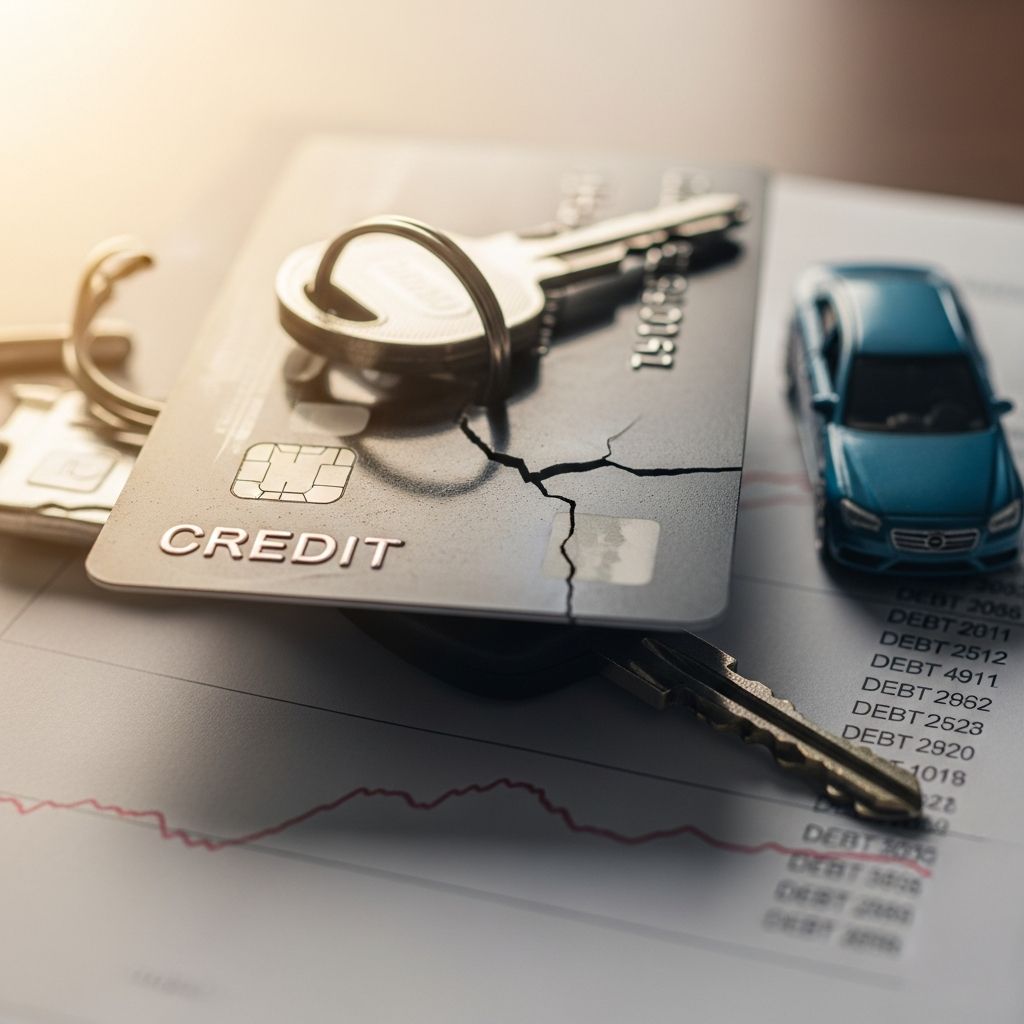
Existing credit card debt significantly influences car loan approvals and terms by elevating credit utilization ratios and potentially lowering credit scores, making lenders view borrowers as higher risk.
Understanding Credit Utilization and Its Role in Lending Decisions
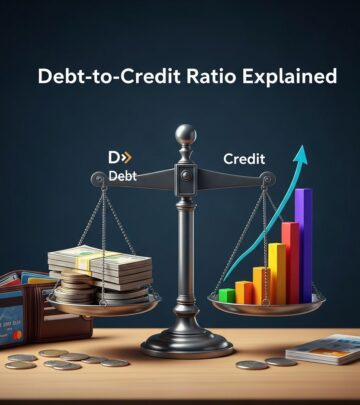
Credit utilization represents the percentage of available credit being used across revolving accounts like credit cards, forming about 30% of a FICO score calculation. High utilization, often above 30%, signals to lenders an over-reliance on debt, prompting higher interest rates or outright loan rejections even with decent overall scores.
For car loans, lenders scrutinize this metric alongside payment history because it reveals debt management habits. Keeping utilization under 10% positions applicants for the best rates, while levels exceeding 30% trigger caution, often resulting in demands for larger down payments or shorter repayment periods.
How Elevated Credit Card Balances Signal Risk to Auto Lenders
Lenders assess total revolving debt against credit limits to gauge financial strain. A borrower maxing out cards appears stretched thin, increasing default likelihood and justifying premium pricing on auto loans. Poor credit scores below 650 exacerbate this, leading to rates several percentage points above those for scores over 750.
| Credit Score Range | Typical Auto Loan Impact | Interest Rate Example |
|---|---|---|
| 750+ | Best approval odds, lowest rates | 4-6% |
| 650-749 | Moderate rates, standard terms | 6-9% |
| Below 649 | High rates, large down payments | 10%+ |
This table illustrates score-driven variations; high card debt often pushes scores into lower tiers.
Payment History: The Dominant Factor Amplified by Debt Levels
Payment history weighs 35% in scoring models, where late credit card payments linger for up to seven years, compounding damage when seeking car financing. Consistent on-time payments build reliability, but recent delinquencies tied to card debt can derail applications despite low utilization.
- Timely bills across all accounts demonstrate discipline to lenders.
- Missed payments, especially recent ones, heighten perceived risk.
- High balances with flawless history may still secure loans, but at costlier terms.
Strategies to Mitigate Credit Card Debt Before Applying for a Car Loan
Reducing balances proactively improves utilization and scores within months. Prioritize high-interest cards via debt snowball or avalanche methods, aiming for under 30% usage before lender inquiries.
- Review reports from Equifax, Experian, and TransUnion for inaccuracies; dispute errors promptly.
- Pay down largest balances to drop utilization swiftly.
- Secure preapprovals from multiple lenders within 14-45 days to minimize inquiry impacts.
Preapprovals reveal exact terms without commitment, empowering negotiation at dealerships and potentially saving thousands over loan life.
Building a Diverse Credit Mix with Auto Financing
Adding an installment loan like a car loan diversifies credit types, positively contributing to scores if managed well. Responsible repayment—on-time and in full—bolsters history while balancing revolving debt burdens from cards. However, initial hard inquiries cause temporary dips of a few points, recoverable quickly with strong habits.
Post-approval, continued card debt vigilance prevents utilization spikes from new auto payments straining budgets.
Long-Term Credit Health: Balancing Multiple Debt Types
Average account age (15% of scores) benefits from established cards, but closing paid-off ones shortens history, indirectly harming car loan prospects. Maintain a mix: 2-3 revolving accounts plus 1-2 installments for optimal profiles.
New inquiries (10%) aggregate for auto shopping if timed closely, preserving scores. Avoid unrelated applications during vehicle hunts to prevent compounded dings.
Real-World Scenarios: Debt Levels and Loan Outcomes
Consider a $10,000 limit with $8,000 balance (80% utilization): even a 700 score might yield 9% rates versus 5% at 20% utilization. Post-debt reduction to $2,000 (20%), approval odds rise with 1-2 point monthly score gains.
For sub-650 scores burdened by $20,000+ card debt, co-signers or substantial down payments (20%+) often prove necessary. Refinancing post-purchase becomes viable after six months of solid payments.
Frequently Asked Questions
Can I get a car loan with maxed-out credit cards?
Possible but challenging; expect denials or high rates unless offset by co-signers or large down payments. Prioritize debt reduction first.
How quickly does paying down cards improve loan chances?
Score updates occur monthly; dropping utilization below 30% can boost scores 20-50 points in 1-3 months.
Does a car loan help or hurt if I have credit card debt?
Helps if payments stay current, diversifying mix and building history; hurts via added debt load if mismanaged.
What’s ideal credit utilization for auto financing?
Under 30%, ideally 10% or less, to signal low risk and secure prime rates.
Should I pay off cards before shopping for cars?
Yes; lower balances enhance profiles, yielding better preapprovals and terms.
Proactive Steps for Optimal Auto Loan Readiness
Monitor scores via free weekly reports, automate payments, and limit new credit. Budget 36 months ahead: allocate 20% income to debt payoff pre-purchase. These habits transform high-debt profiles into lender favorites, slashing lifetime interest costs.
References
- Does Financing a Car Build Credit? How Car Loans Affect Credit — SoFi. 2023. https://www.sofi.com/learn/content/does-financing-a-car-build-credit/
- Credit Utilization & Your Car Loan Approval: What You Need to Know — First Alliance Credit Union. 2024. https://www.firstalliancecu.com/blog/credit-utilization-your-car-loan-approval
- How Do Credit Scores Factor into Car Buying? — Alpine Buick GMC. 2023. https://www.alpinebuickgmc.com/blogs/6081/how-do-credit-scores-factor-into-car-buying-understanding-the-role-of-credit-in-financing-your-vehicle
- How will shopping for an auto loan affect my credit? — Consumer Financial Protection Bureau. 2024-03-01. https://www.consumerfinance.gov/ask-cfpb/how-will-shopping-for-an-auto-loan-affect-my-credit-en-763/
Similar Articles








Read full bio of Sneha Tete