Credit Card Debt Forgiveness Explained
Discover realistic paths to credit card debt relief, from settlements to structured programs, and weigh their long-term impacts on your finances.

Credit card debt forgiveness involves a lender agreeing to cancel part or all of an outstanding balance, typically after proving severe financial hardship. This option is uncommon and often requires missed payments or structured negotiations, but alternatives like debt management plans provide more reliable relief.
Defining Debt Forgiveness in Credit Contexts
Debt forgiveness occurs when a creditor accepts less than the full amount owed, releasing the borrower from the remaining obligation. For credit cards, this might mean settling a $10,000 balance for $5,000, with the forgiven $5,000 no longer due. Such arrangements usually arise after prolonged delinquency, as lenders weigh collection costs against partial recovery.
Unlike standard repayment, forgiveness shifts the burden from full restitution to a negotiated reduction. Creditors may pursue this to avoid prolonged collection efforts or bankruptcy proceedings where they recover even less. However, it’s not guaranteed and hinges on the issuer’s policies and the borrower’s situation.
Common Pathways to Debt Reduction
Several mechanisms exist for achieving credit card debt forgiveness, each with distinct processes and requirements.
Structured Forgiveness Programs
Nonprofit agencies offer programs where participating creditors pre-agree to forgive 40-50% of balances. Eligible accounts must be charged off (delinquent 120-180 days), exceed $1,000, and be payable within 36 months via fixed payments. No interest accrues, and collections halt upon agreement.
- Monthly payments cover the reduced principal plus a small fee.
- Early payoff allowed; missed payments void the deal.
- Creditors must be program participants, limiting applicability.
Direct Negotiations with Issuers
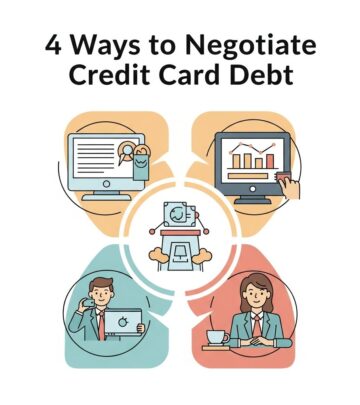
Borrowers can contact issuers directly, especially during hardship. Issuers like Citi may offer temporary relief: reduced rates, waived fees, or paused payments. Full forgiveness is rare but possible via lump-sum settlements for 50-60% of the balance.
Proof of hardship—job loss notices, medical bills—is essential. Success varies; proactive communication before severe delinquency improves odds.
Third-Party Debt Settlement
For-profit firms negotiate settlements, often requiring clients to fund escrow accounts while halting payments. Settlements average 50% reductions but risk lawsuits and credit damage during the process.
| Method | Typical Reduction | Timeline | Key Risk |
|---|---|---|---|
| Forgiveness Programs | 40-50% | 36 months | Strict eligibility |
| Direct Negotiation | Variable (up to 50%) | Immediate to months | No guarantee |
| Third-Party Settlement | 40-60% | 24-48 months | Lawsuits, fees |
Qualifying for Forgiveness Options
Eligibility demands demonstrable hardship and delinquency. Programs require charged-off status; negotiations need evidence like income drops. Balances under $1,000 rarely qualify due to administrative costs.
Counselors assess budgets, recommending forgiveness only if other paths fail. Approval involves creditor sign-off, with payments starting promptly.
Financial and Credit Consequences
Forgiveness trades immediate relief for lasting repercussions. Settled debts appear on reports as “settled for less than full amount,” dropping scores 100+ points and lingering 7 years.
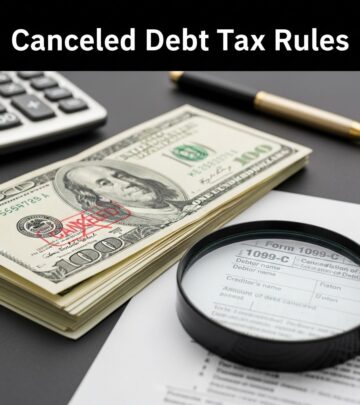
Forgiven amounts over $600 trigger IRS Form 1099-C, taxing the cancellation as income (up to 37% federal rate). Bankruptcy filings harm scores for 7-10 years.
- Credit impact: Severe but temporary; rebuild via secured cards.
- Tax hit: Plan for liability on forgiven sums.
- Future borrowing: Higher rates, denials common.
Superior Alternatives to Full Forgiveness
Less damaging options often yield similar results without tax or credit pitfalls.
Debt Management Plans (DMPs)
Nonprofits negotiate lower rates (often 5-9%) and waived fees across cards. Fixed payments over 3-5 years pay full principal, preserving credit better than settlements.
Consolidation Loans
Personal loans or balance transfers at 0% intro APRs simplify payments. Good credit needed; avoids forgiveness stigma.
Hardship Programs
Issuers provide short-term relief without settlements: rate cuts, payment pauses. Ideal for temporary setbacks.
| Option | Credit Impact | Taxable? | Full Repayment? |
|---|---|---|---|
| DMP | Minimal (closed accounts) | No | Yes |
| Consolidation | Neutral/positive | No | Yes |
| Hardship | Low | No | Deferred |
| Forgiveness | High negative | Yes | Partial |
Bankruptcy as a Last Resort
Chapter 7 liquidates non-exempt assets to discharge unsecured debts like cards; Chapter 13 restructures over 3-5 years. Automatic stays halt collections, but scores plummet, and not all debts discharge (e.g., recent purchases).
Court approval takes 6-12 months; attorneys recommended. Use only after exhausting counseling.
Steps to Pursue Relief
- Assess Situation: Pull free credit reports; calculate debt-to-income ratio.
- Contact Creditors: Request hardship options before delinquency.
- Consult Nonprofits: Agencies like InCharge evaluate programs/DMPs.
- Negotiate Settlements: Offer lump sums if funds available.
- Monitor Taxes: Save forgiveness letters for IRS disputes.
- Rebuild Credit: Post-relief, use secured cards, pay utilities on time.
Preventing Future Debt Buildup
Avoid recurrence by tracking spending, building emergencies (3-6 months expenses), and using cards judiciously. Budget apps and auto-payments curb balances.
Frequently Asked Questions
Is credit card debt forgiveness realistic?
Partial forgiveness (30-60%) is possible via programs or settlements, but full wipeouts are rare without bankruptcy.
How does forgiveness affect taxes?
Forgiven debt over $600 is taxable income; exceptions for insolvency.
Can I negotiate alone?
Yes, but counselors boost success; start with issuer hardship teams.
What’s better than forgiveness?
DMPs or consolidation preserve credit and avoid taxes.
Does bankruptcy erase all card debt?
Often yes in Chapter 7, but recent luxury purchases may survive.
Final Guidance for Debt Freedom
Prioritize counseling over risky settlements. Sustainable habits ensure long-term stability. Act early to minimize damage.
References
- Credit Card Debt Forgiveness from InCharge Debt Solutions — InCharge Debt Solutions. 2025. https://www.incharge.org/debt-relief/credit-card-debt-forgiveness/
- What Credit Card Debt Forgiveness Is and When It May Occur — National Debt Relief. 2025. https://www.nationaldebtrelief.com/blog/debt-guide/credit-card-debt/what-is-credit-card-debt-forgiveness-and-how-does-it-work/
- Understanding Credit Card Debt Forgiveness — Citi. 2025-10-20. https://www.citi.com/credit-cards/debt-management/credit-card-debt-forgiveness
- What Is Credit Card Debt Forgiveness? — American Express. 2025. https://www.americanexpress.com/en-us/credit-cards/credit-intel/credit-card-debt-forgiveness/
- What Is Credit Card Debt Forgiveness? — Discover. 2025. https://www.discover.com/credit-cards/card-smarts/credit-card-debt-forgiveness/
- What Is Debt Forgiveness? — Experian. 2025. https://www.experian.com/blogs/ask-experian/what-is-debt-forgiveness/
Similar Articles








Read full bio of Sneha Tete