Credit Card Dates: 6 Essential Billing Dates To Know
Master critical credit card dates to optimize payments and avoid unnecessary fees and interest charges.

Essential Credit Card Dates to Know
Managing credit cards effectively requires understanding several key dates that appear on your monthly statements. These dates directly impact how much interest you’ll pay, whether you’ll incur late fees, and ultimately how credit card companies calculate your balance. Familiarizing yourself with these important dates can help you avoid costly mistakes and maximize the benefits of your credit cards.
Credit card dates can seem confusing at first, but once you understand how they work together, you’ll be better equipped to manage your finances. The relationship between your billing cycle, statement closing date, and payment due date creates opportunities to use credit strategically while avoiding unnecessary charges.
Understanding the Statement Closing Date
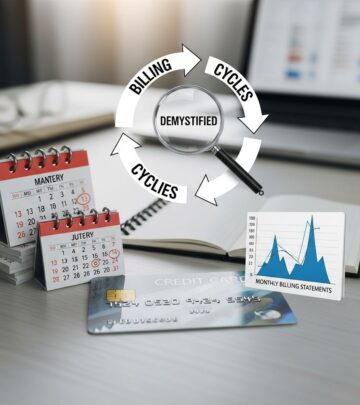
The statement closing date is the final day of your billing cycle, marking the end of the period during which your transactions are compiled into a single statement. This date typically remains consistent from month to month, falling on the same day each month regardless of whether it lands on a weekend or holiday. Your statement closing date is crucial because it determines which purchases appear on your current bill and which will appear on your next statement.
When your statement closing date arrives, several important things happen simultaneously. First, the credit card company calculates your statement balance—the total amount you owe based on all transactions that posted before or on that closing date. Second, any interest charges are calculated if you’re carrying a balance from the previous month. Third, your minimum payment requirement is determined based on your total balance.
You can locate your statement closing date by checking your monthly credit card statement, where it will typically be labeled clearly. Most online banking portals also display this information prominently, often labeled as “Statement Closing Date” or “Next Closing Date.” If you’re unsure, the billing cycle dates should appear as a date range on your statement, with the final day of that range being your closing date.
The Payment Due Date Explained
Your payment due date is the deadline by which your credit card company must receive at least your minimum payment to avoid late fees and additional interest charges. Unlike your statement closing date, which marks the end of a billing cycle, your payment due date is the last opportunity to satisfy your financial obligation for that cycle without penalty.
Payment due dates typically fall on the same day each month, such as the 6th, 15th, or 21st of the month, depending on your card issuer’s policies. Many credit card companies allow you to choose your payment due date when opening an account, enabling you to align it with other regular bills like rent, mortgage, or utilities for better budgeting.
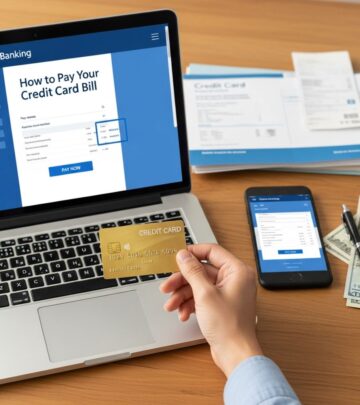
It’s essential to understand that your card issuer must receive your payment by the due date. If you’re transferring money from another bank account, you should factor in one to two business days for processing time. Making a payment on the due date itself might be too late if the transfer hasn’t cleared your financial institution’s systems.
The Critical Difference Between Closing Date and Due Date
Understanding the difference between your statement closing date and payment due date is fundamental to managing credit effectively. These two dates serve different purposes in the credit card cycle and are separated by a specific time period that often provides significant financial advantages.
Key Distinctions
The statement closing date marks the end of your billing cycle and is the final day new charges can post to your current statement. It’s the first day you can begin making payments toward the new statement balance. In contrast, the payment due date is the absolute last day you can make a payment before it’s considered late and applied to the next billing cycle.
Billing cycles typically span approximately 30 days. The space between your closing date and due date is usually 21 to 25 days, often referred to as the “grace period.” During this window, if you pay your entire statement balance in full, you won’t be charged interest on new purchases made during that billing cycle.
Grace Periods: Your Interest-Free Window
The grace period is perhaps the most valuable aspect of understanding credit card dates. This is the timeframe between your statement closing date and your payment due date during which you can potentially avoid paying interest. For most credit cards, this grace period lasts 21 to 25 days.
Grace periods provide a significant advantage for consumers who use credit cards strategically. If you pay off your entire statement balance before the payment due date, no interest will be charged on any purchases you made during that billing cycle. This means you’re essentially borrowing money from the credit card company interest-free for approximately three weeks.
However, it’s important to note that grace periods don’t apply universally to all transactions. Cash advances and balance transfers typically don’t qualify for grace period protection and may accrue interest from the day of the transaction. Additionally, not all credit cards offer grace periods, so it’s crucial to review your cardmember agreement to understand whether your specific card provides this benefit.
How Balance Calculation Methods Affect Payment Timing
Credit card companies use different methods to calculate your balance, and understanding which method your issuer uses can significantly impact the interest you pay. One of the most common methods is the “average daily balance” approach, which charges more interest if you pay later in the month compared to earlier.
If you’re planning to carry a balance because you can’t pay the entire statement amount, timing becomes even more critical. Rather than waiting until close to your payment due date, you should aim to pay your bill as soon as possible after receiving your statement or after your statement closing date. Paying early reduces your average daily balance throughout the billing cycle, resulting in lower interest charges.
You can find your card issuer’s balance calculation method by looking for a section in your cardmember agreement labeled “How We Will Calculate Your Balance.” Understanding this methodology empowers you to make strategic payment decisions that minimize interest expenses.
When to Pay Your Credit Card Balance
Determining the optimal time to pay your credit card bill requires understanding how payment timing interacts with statement closing dates and billing cycles.
Paying Before the Closing Date
If you pay off your credit card balance before the statement closing date, that payment will likely be applied to the previous billing period rather than reducing your current charges. This means you’ll still need to make another payment after the closing date to address the new charges from the current billing cycle. Paying before the closing date doesn’t eliminate your next payment obligation; it simply addresses the previous cycle’s balance.
Optimal Payment Strategy
The ideal approach is to pay your bill the day you receive your statement or shortly thereafter. If you receive your statement via mail, try to pay within a few days of receiving it. For online account holders, paying immediately after logging in to review your statement is efficient. By paying early in your grace period, you minimize the average daily balance calculation and reduce interest charges if you’re carrying a balance.
Credit Score Considerations
Paying your credit card balance before your closing date can affect how your credit utilization ratio is calculated. Your credit utilization ratio—the percentage of available credit you’re using—is a significant factor in your credit score calculation. If you pay before the closing date and the payment posts before the statement generates, your reported balance to credit bureaus may be lower, potentially improving your credit utilization ratio and boosting your score.
Understanding Statement Balance vs. Current Balance
Your credit card statement actually presents two different balance figures, and it’s important to understand the distinction between them. Your statement balance is the amount owed at the time your statement is issued, based on all transactions that posted through your closing date. Your current balance is updated throughout your billing cycle and reflects any purchases or payments made since your last statement was generated.
These balances can differ significantly if you’re in the middle of your billing cycle. If you’ve used your card or made a payment after your statement closing date, your current balance will differ from your statement balance. However, neither a purchase nor a payment will affect your statement balance until the next billing cycle begins, although changes will appear in your current balance within a few days.
When paying your credit card, you should aim to pay at least your full statement balance to take advantage of the grace period and avoid interest charges. Paying only the minimum payment or less than your full statement balance means the remaining balance will accrue interest.
What Happens When You Miss Your Payment Due Date
Missing your payment due date carries immediate consequences. If your card issuer doesn’t receive at least your minimum payment by the due date, you may be charged a late payment fee. Additionally, you’ll incur interest on your card balance if you haven’t paid it off in full.
The financial impact extends beyond immediate charges. A late payment can damage your credit score, particularly if it’s 30 or more days overdue, as payment history comprises the largest component of credit scoring models. Missing due dates multiple times can result in higher interest rates, card cancellation, or difficulty obtaining credit in the future.
Key Dates Throughout Your Billing Cycle
Understanding the chronological sequence of important dates helps you stay organized:
- Statement Closing Date: The final day of your current billing cycle when all transactions are compiled into your statement
- Statement Issue Date: When your statement is mailed or made available online, typically occurring a few days after your closing date
- Grace Period Begins: Usually coinciding with your statement closing date, this is when you can start making payments toward the new balance
- Grace Period Ends: At your payment due date, when interest-free payment window closes
- Payment Due Date: The deadline for payments to be received to avoid late fees and interest charges
- Next Billing Cycle Begins: The day after your previous closing date, when your new billing cycle starts
Frequently Asked Questions About Credit Card Dates
Q: Can I choose my credit card payment due date?
A: Many credit card issuers allow you to select your payment due date when opening an account, enabling you to align it with your paycheck or other regular financial obligations. Some issuers also permit changes to your due date after account opening. Contact your card issuer to inquire about this option.
Q: What happens to transactions posted on my closing date?
A: Transactions that post to your credit card on your closing date may be included in your statement balance calculation. However, transactions that are still pending at the end of your closing date typically won’t be included. Most transactions take one business day to complete.
Q: Do all credit cards have grace periods?
A: Not all credit cards offer grace periods. Some cards, particularly those with very high interest rates or designed for consumers with poor credit, may not provide grace periods. Check your cardmember agreement to confirm whether your card includes this benefit.
Q: How do I find my payment due date if I can’t locate my statement?
A: Your payment due date should be clearly visible when you log into your credit card account online or through your mobile banking app. Most issuers label it prominently in your account dashboard. You can also call your card issuer’s customer service to inquire about your specific due date.
Q: Should I pay my entire balance or just the minimum payment?
A: To maximize the benefits of your grace period and minimize interest charges, you should pay your entire statement balance by the due date. Paying only the minimum payment means the remaining balance will accrue interest charges, which can become substantial over time.
Q: How long does it take for a payment to post to my account?
A: Payment posting times vary depending on your payment method and the time of day you submit it. Generally, payments post within one to three business days. If you’re transferring funds from another bank, allow additional time for processing.
Maximizing Credit Card Benefits Through Strategic Date Management
Understanding credit card dates isn’t merely about avoiding fees and interest—it’s about optimizing your use of credit to maximize rewards and benefits. Consumers who master these dates can strategically time purchases, manage multiple credit cards’ due dates, and ensure they always pay within grace periods.
By paying attention to your closing dates and due dates, you can align your credit card spending with your cash flow, ensuring you have funds available when payments are due. You can also consolidate payment due dates across multiple cards by requesting changes from your issuers, simplifying your financial management.
The bottom line is that your statement closing date and payment due date work together to create a system that rewards responsible credit use. The 21 to 25-day grace period between these dates provides an interest-free borrowing opportunity if you pay your balance in full. By understanding these dates and planning accordingly, you take control of your credit card finances rather than letting the system control you.
References
- Credit Card Payment Due Date vs Statement Closing Date — Credit One Bank. https://www.creditonebank.com/articles/credit-card-payment-due-date-vs-statement-closing-date
- What is a credit card closing date? — Chase Bank. https://www.chase.com/personal/credit-cards/education/basics/what-is-a-closing-date-on-a-credit-card
- Understanding Your Credit Card Balance — RBC Royal Bank. https://www.rbcroyalbank.com/en-ca/my-money-matters/money-academy/credit-and-borrowing/understanding-credit-cards/understanding-your-credit-card-balance/
- Understanding your credit card statement — ANZ. https://www.anz.co.nz/personal/credit-cards/understanding-credit-cards/understanding-your-credit-card-statement/
- Understanding Credit Card Statements & Payment Dates — Barbados Association of Trusted Traders. https://batt.org.tt/understanding-credit-card-statements-payment-dates/
Similar Articles








Read full bio of medha deb