Credit Card Cash Advances: Guide To ATM Withdrawals
Learn how to access cash with your credit card and understand the true costs involved.
When you find yourself in need of physical cash, your credit card can serve as a financial tool beyond making purchases at stores or online. Most credit cards offer the ability to withdraw cash through what’s known as a cash advance, typically accessed through ATMs or directly at participating financial institutions. However, using your credit card to obtain cash comes with distinct financial implications that differ significantly from standard credit card purchases or debit card withdrawals.
What Exactly Is a Cash Advance?
A cash advance represents a short-term loan you take against your credit card’s available credit line. Unlike withdrawing money from a debit card—where you’re accessing your own funds deposited in a bank account—a cash advance involves borrowing money from your credit card issuer. The amount you withdraw appears as a separate transaction on your credit card statement and is subject to its own repayment terms, fees, and interest rates.
Each credit card typically comes with a designated cash advance limit that functions independently from your regular purchase limit. This cash advance limit is usually calculated as a percentage of your total credit limit, meaning you may have access to less cash than your overall credit capacity. For example, if your credit limit is $5,000 and your cash advance limit is set at 50% of your credit line, you could withdraw up to $2,500 in cash advances.
How to Access Cash Through Your Credit Card
Accessing Cash at Automated Teller Machines
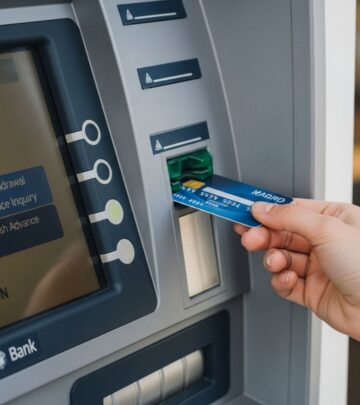
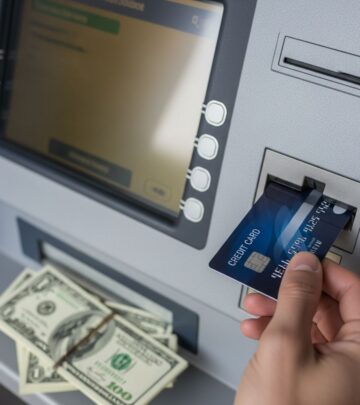
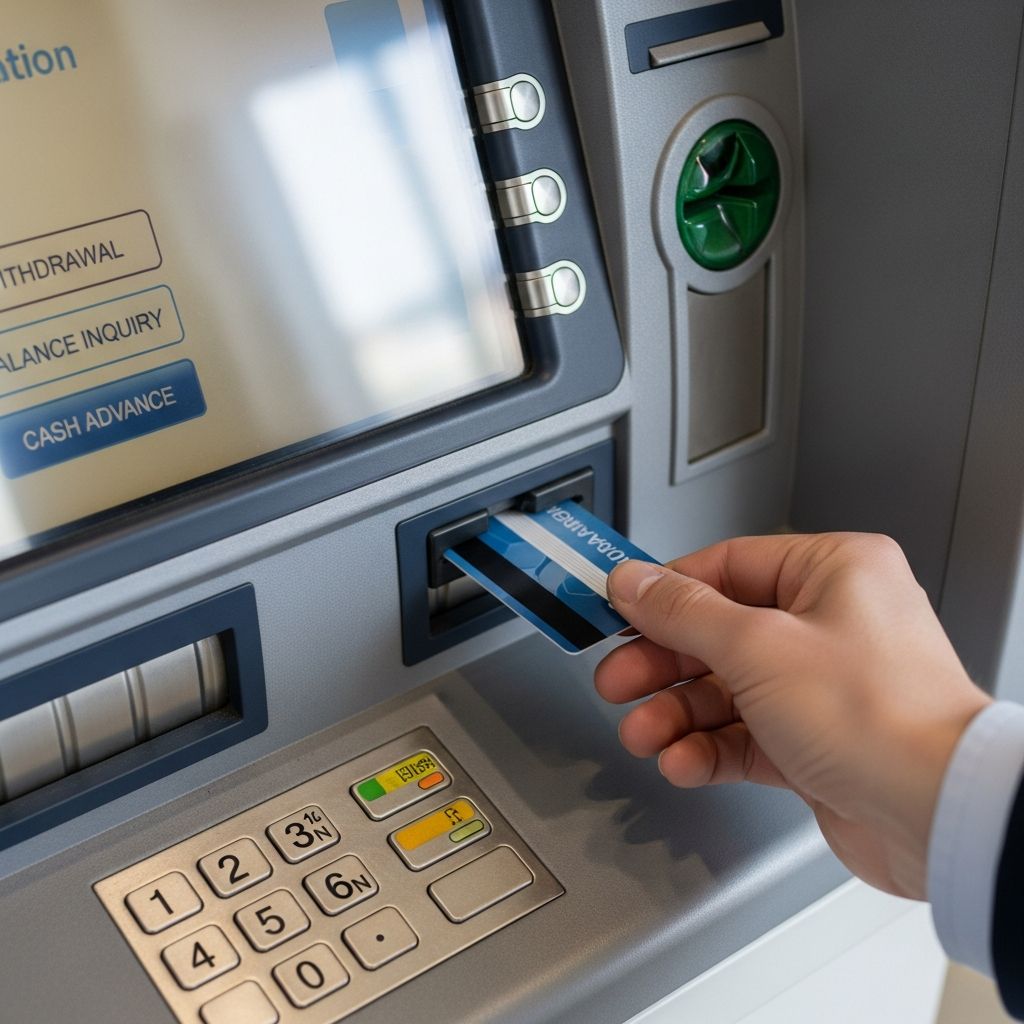
The most convenient method for obtaining a cash advance is through an ATM. To complete an ATM withdrawal using your credit card, you’ll need your physical card and a personal identification number (PIN) provided by your card issuer. The process mirrors that of using a debit card: insert your card, select the cash advance or cash withdrawal option from the menu, enter your PIN, specify the amount you wish to withdraw, and confirm the transaction.
If you haven’t established a PIN for your credit card, you’ll need to set one before attempting an ATM withdrawal. Most card issuers allow you to create or reset your PIN through their online account portal or by calling customer service. Once you have your PIN established, cash withdrawals can be completed at over 500,000 participating ATMs worldwide, offering significant accessibility and convenience.
In-Person Withdrawals at Financial Institutions
Beyond ATMs, you can also obtain cash advances by visiting a bank or credit union branch in person. When choosing this method, you’ll typically need to bring a valid photo identification document. However, not all financial institutions participate in cash advance programs for every credit card brand, so it’s wise to contact your bank ahead of time to confirm they accept your particular card.
Alternative Method: Convenience Checks
Some credit card issuers provide convenience checks—specially designed checks linked directly to your credit card account. These checks function like regular checks but the funds drawn against them are charged to your credit card balance rather than a bank account. This method works well when you need to transfer funds to another person or organization but don’t necessarily need physical cash in hand.
Understanding the True Cost of Cash Advances
Transaction Fees and Charges
When you take a cash advance, you’ll incur fees beyond just the amount you withdraw. Most credit cards charge what’s called a cash advance fee—typically calculated as either a flat amount per transaction or a percentage of the amount withdrawn. The percentage-based fees often come with a minimum threshold, meaning you’ll pay whichever is greater. For instance, a card might charge 5% of the cash advance amount or $15, whichever exceeds the other.
Additionally, if you use an ATM not owned by your credit card issuer’s parent bank, you may face separate ATM operator fees imposed by the ATM owner or network. These fees can range from $2 to $5 per transaction, further reducing the net cash you receive.
Interest Rate Considerations
One of the most significant differences between cash advances and regular purchases involves interest rates. Cash advance interest rates are almost universally higher than the APR applied to your standard purchases. More critically, interest begins accruing immediately upon withdrawal with no grace period—unlike purchases where you might enjoy 20-30 days interest-free if you pay your balance in full.
This means that from the moment you withdraw cash, interest is accumulating on the borrowed amount. If you carry the balance for several months, the accumulated interest can substantially exceed the original transaction fee you paid upfront.
Key Limitations on Cash Advance Access
Cash Advance Limits
Your credit card issuer establishes a specific cash advance limit that operates separately from your overall credit limit. You cannot exceed this predetermined amount in a single transaction or across multiple transactions within a billing period. This limit is designed to manage the credit card company’s risk exposure on this particular type of borrowing.
To find your cash advance limit, check your most recent credit card statement, log into your online account, or contact your card issuer directly. Keep in mind that some ATMs may impose their own daily withdrawal limits in addition to your card’s limits, potentially restricting the amount you can access in a single day even if your overall cash advance limit is higher.
Relationship to Overall Available Credit
An important consideration involves the relationship between your cash advance limit and your total available credit. If you’ve already used a significant portion of your overall credit line for regular purchases, you may not have sufficient available credit to take the full cash advance amount, even if you haven’t touched your specific cash advance allocation. For example, if you have a $5,000 credit limit with a $2,500 cash advance limit, but you’ve already charged $4,500 in purchases, you could only take a $500 cash advance, not the full $2,500 available in your cash advance limit.
Comparing Methods for Obtaining Emergency Cash
| Access Method | Requirements | Processing Time | Additional Fees |
|---|---|---|---|
| ATM Withdrawal | Card + PIN | Immediate | Card issuer fee + ATM operator fee |
| Bank Branch Withdrawal | Card + Photo ID | Immediate | Card issuer fee only |
| Convenience Check | Card + Check recipient | 1-3 business days | Card issuer fee |
| Online Bank Transfer | Online account access | 1-3 business days | Card issuer fee |
Strategic Considerations Before Taking a Cash Advance
When a Cash Advance Makes Sense
Despite the costs involved, cash advances serve legitimate purposes in specific situations. If you face an unexpected expense that only accepts cash, don’t have access to your debit account, or need funds immediately, a cash advance might be your most practical option. In these emergency scenarios, the convenience and speed may justify the additional costs.
When Alternatives Are Superior
Before automatically reaching for a cash advance, consider these alternatives that typically cost less:
- Withdrawing from your savings account using your debit card
- Asking friends or family for a short-term loan
- Taking advantage of a personal loan with potentially lower interest rates
- Using a payday loan alternative like an employer advance program
- Paying with your credit card directly if the merchant accepts it
Frequently Asked Questions About Credit Card Cash Advances
Can you take a cash advance if you’ve reached your credit limit?
No. You must have sufficient available credit to cover the cash advance amount. If you’ve maxed out your overall credit line, you cannot take any cash advance regardless of whether you’ve used your specific cash advance allocation.
How quickly does interest accrue on cash advances?
Interest begins accruing immediately upon withdrawal, with no grace period. This differs substantially from regular purchases, where you might have 15-30 days before interest charges begin. Daily interest compounds throughout your billing cycle.
Can you get cash advances on all credit cards?
Most major credit cards offer cash advance capability, but some specialty cards or cards designed for people building credit may not. Check your card’s terms and conditions or contact your issuer to confirm your card supports cash advances.
What happens if an ATM rejects your card for a cash advance?
Several reasons might cause rejection: you’ve exceeded your daily ATM limit, your cash advance limit has been reached, or you don’t have sufficient available credit. Contact your card issuer to determine which limitation applies and whether it can be temporarily adjusted.
Is there a way to reduce cash advance fees?
Your best strategy is to avoid cash advances whenever possible. When necessary, minimize the amount and duration of the advance. Some premium credit cards offer reduced cash advance fees as a cardholder benefit, so reviewing your card’s benefits might reveal cost-saving opportunities.
Making Informed Decisions About Credit Card Cash
Understanding the mechanics and costs of credit card cash advances empowers you to make financially sound decisions when you need accessible cash. While your credit card offers a convenient pathway to physical currency, the associated fees and interest rates make it an expensive borrowing method compared to alternatives.
Before initiating a cash advance, take time to review your card’s specific terms, understand your cash advance limit and interest rate, and consider whether alternative funding sources might better serve your situation. By approaching cash advances strategically and reserving them for genuine emergencies, you can minimize the financial impact on your overall credit profile and monthly budget.
References
- How to get a cash advance from a credit card — Citi. Accessed 2026-02-06. https://www.citi.com/credit-cards/understanding-credit-cards/how-to-get-cash-from-a-credit-card
- Can I use my Card to withdraw cash at an ATM? — American Express. Accessed 2026-02-06. https://www.americanexpress.com/us/customer-service/faq.withdraw-cash-atm.html
- Can I withdraw money from my credit card at an ATM? — Consumer Finance Protection Bureau. Accessed 2026-02-06. https://www.consumerfinance.gov/ask-cfpb/can-i-withdraw-money-from-my-credit-card-at-an-atm-en-34/
- Credit Card Cash Advance: What It Is & How It Works — Chase Bank. Accessed 2026-02-06. https://www.chase.com/personal/credit-cards/education/basics/how-do-credit-card-cash-advances-work
- Credit Card Cash Advance — Discover. Accessed 2026-02-06. https://www.discover.com/credit-cards/member-benefits/cash-advance.html
- Credit Card Cash Advance — Capital One Help Center. Accessed 2026-02-06. https://www.capitalone.com/help-center/credit-cards/get-cash-advance/
Similar Articles








Read full bio of medha deb