Credit Card Billing Cycles: Essential Guide To Dates And Tips
Unlock the secrets of credit card billing cycles to master your finances, avoid interest traps, and optimize payments effectively.
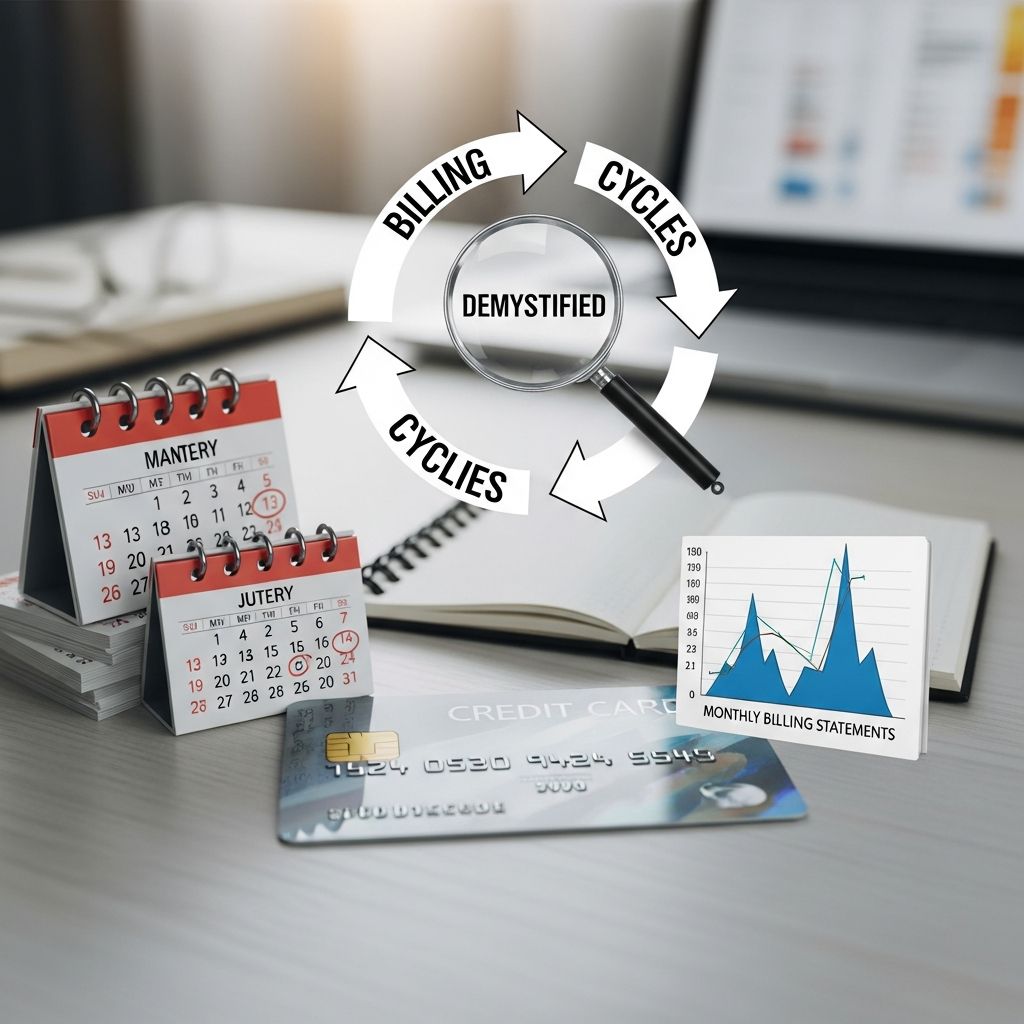
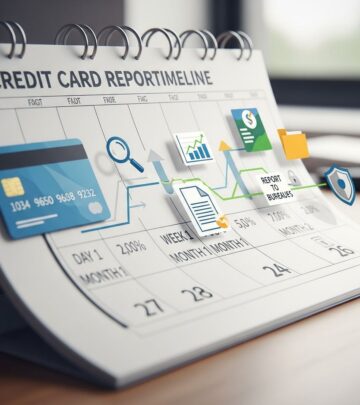
Credit card billing cycles form the backbone of how issuers track your spending, calculate balances, and determine payment obligations. Typically spanning 28 to 31 days, these periods dictate when transactions appear on statements and when payments are due, directly influencing interest accrual and credit health.
Understanding the Fundamentals of Billing Periods
A billing cycle, also known as a statement period, represents the fixed interval between two consecutive statement closing dates on your credit card account. During this window, all financial activities—purchases, payments, fees, and credits—are recorded and tallied to produce your monthly statement. This structure ensures consistent tracking, allowing cardholders to review activity before payment deadlines.
Key elements include the cycle’s start date, when new transactions begin posting; the closing date, marking the end of activity inclusion; and the statement generation date, shortly after closure. Regulations mandate these cycles remain roughly equal, varying by no more than four days, to promote fairness. For most users, this aligns closely with calendar months, though shorter cycles occur in February.
Typical Duration and Variations in Cycle Lengths
Most credit card billing cycles last between 28 and 31 days, mirroring the length of an average month. Issuers like Capital One and American Express confirm this range, noting that cycles must not exceed a quarter of a year and should maintain near-uniform intervals.
| Month | Typical Cycle Length (Fixed Closing Date: 30th) | Notes |
|---|---|---|
| January | 30 days | Standard full cycle |
| February | 28 days (non-leap) | Shortest due to fewer days |
| March | 31 days | Extended if closing spans |
| April | 30 days | Balanced period |
This table illustrates how a fixed closing date on the 30th affects cycle lengths across months, based on issuer practices. Variations depend on the issuer’s chosen closing date, but consistency is key for predictable budgeting.
Step-by-Step: How a Billing Cycle Operates
Billing cycles follow a predictable sequence:
- Cycle Opens: A new period begins, capturing fresh transactions immediately after the prior cycle closes.
- Transactions Accumulate: Purchases, cash advances, balance transfers, fees, interest, payments, and credits post to the account.
- Cycle Closes: No further activity counts toward the upcoming statement.
- Statement Generates: The issuer compiles the previous balance (if unpaid) plus cycle activity into a statement balance, minimum payment, and due date.
- Grace Period Starts: Typically 21-25 days from statement date to due date, allowing interest-free payment if balance is cleared.
- New Cycle Initiates: Overlaps begin, as you’re paying the prior statement while new charges accrue.
This ongoing loop means you’re often juggling multiple cycles: settling one while building the next.
Real-World Example: Tracking a Monthly Cycle
Consider a card with a billing cycle from the 1st to the 30th/31st, closing on the 30th. Starting with a $200 carried balance:
- During the cycle: $800 purchases, $100 cash advance, $50 fee, $300 payment, $20 credit.
- Net new activity: $800 + $100 + $50 – $300 – $20 = $630.
- Statement balance: $200 + $630 = $830.
- Grace period: Until the 25th of the next month (25 days later).
Paying $830 in full by the due date avoids interest. New purchases post right away for the next cycle. This example, drawn from standard issuer explanations, highlights how activity directly shapes your bill.
Transactions That Shape Your Statement Balance
Not all activity posts instantly; pending authorizations may delay. Common inclusions:
- Purchases and online transactions
- Cash advances and balance transfers
- Interest from prior unpaid balances
- Annual fees, late fees, or overlimit charges
- Payments and rewards credits
Understanding posting times helps anticipate balances. For instance, a weekend purchase might appear mid-week.
The Grace Period: Your Interest-Free Window
The grace period—21 to 25 days post-statement—lets you pay in full without interest if no prior balance exists. Miss it, and interest applies retroactively to the entire cycle’s purchases. Paying minimums keeps accounts current but accrues interest on the remainder, compounding costs.
Strategic Tips to Leverage Billing Cycles
Master cycles for financial gain:
- Time Large Purchases: Buy near cycle end to defer payment a full month plus grace period.
- Pay Early: Reduce utilization mid-cycle for better credit scores, as bureaus snapshot averages.
- Request Cycle Changes: Some issuers adjust closing dates to align with paydays.
- Monitor Statements: Review for errors immediately upon receipt.
- Avoid Cash Advances: No grace period; interest starts instantly.
These tactics, supported by issuer guidelines, can save on interest and boost scores.
Common Pitfalls and How to Avoid Them
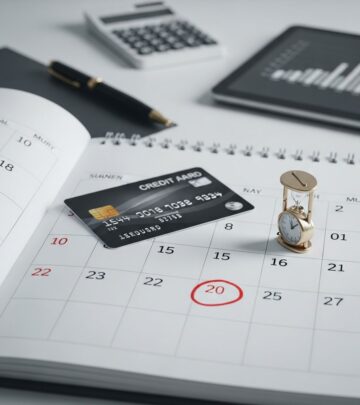
Missteps include ignoring cycle dates, leading to surprise balances; carrying balances that eliminate grace periods; or late payments triggering fees (up to $40) and score drops. Always note closing and due dates on statements. February’s short cycle can compress grace periods unexpectedly.
Impact on Credit Scores and Utilization
Billing cycles influence credit utilization (30% of FICO score), calculated as balance-to-limit ratio. Mid-cycle payments lower reported balances. Statements snapshot utilization for bureaus, so strategic payments optimize scores.
Frequently Asked Questions (FAQs)
What if my billing cycle is shorter than 28 days?
Rare, but possible in short months; regulations ensure fairness. Contact your issuer for details.
Can I change my billing cycle date?
Many issuers allow requests, effective next cycle. It may take 1-2 months.
Do pending transactions affect my cycle?
They post later but may hold funds temporarily.
What happens if I pay before the due date?
Positive: Reduces interest and utilization. Early payments don’t shorten grace periods.
Does every card have the same cycle length?
No, varies by issuer; check your statement.
Advanced Strategies for Power Users
For optimized finances, align multiple cards’ cycles to paydays. Use apps tracking cycles. High-utilization users benefit from twice-monthly payments. Businesses leverage cycles for cash flow via net terms.
In summary, grasping billing cycles empowers precise money management, interest avoidance, and credit building. Regularly review statements to stay ahead.
References
- Billing cycle: Definition, how long it is and more — Capital One. 2023. https://www.capitalone.com/learn-grow/money-management/what-is-a-billing-cycle/
- Billing Cycle Explained: Definition, Length, and Examples — Ramp. 2023. https://ramp.com/blog/what-is-a-billing-cycle
- What Is a Billing Cycle? — Experian. 2023. https://www.experian.com/blogs/ask-experian/what-is-billing-cycle/
- What Is a Billing Cycle and How Long Is It? — American Express. 2023. https://www.americanexpress.com/en-us/credit-cards/credit-intel/how-long-is-a-billing-cycle/
- How Credit Card Billing Cycle Works (And What To Do to Avoid …) — YouTube (Sisters For Financial Independence). 2025-03-24. https://www.youtube.com/watch?v=2NNPOvcZZHQ
Similar Articles








Read full bio of medha deb