Starting Your Credit Card Journey: A Beginner’s Roadmap
Master the essentials of responsible credit card use and build a solid financial foundation.
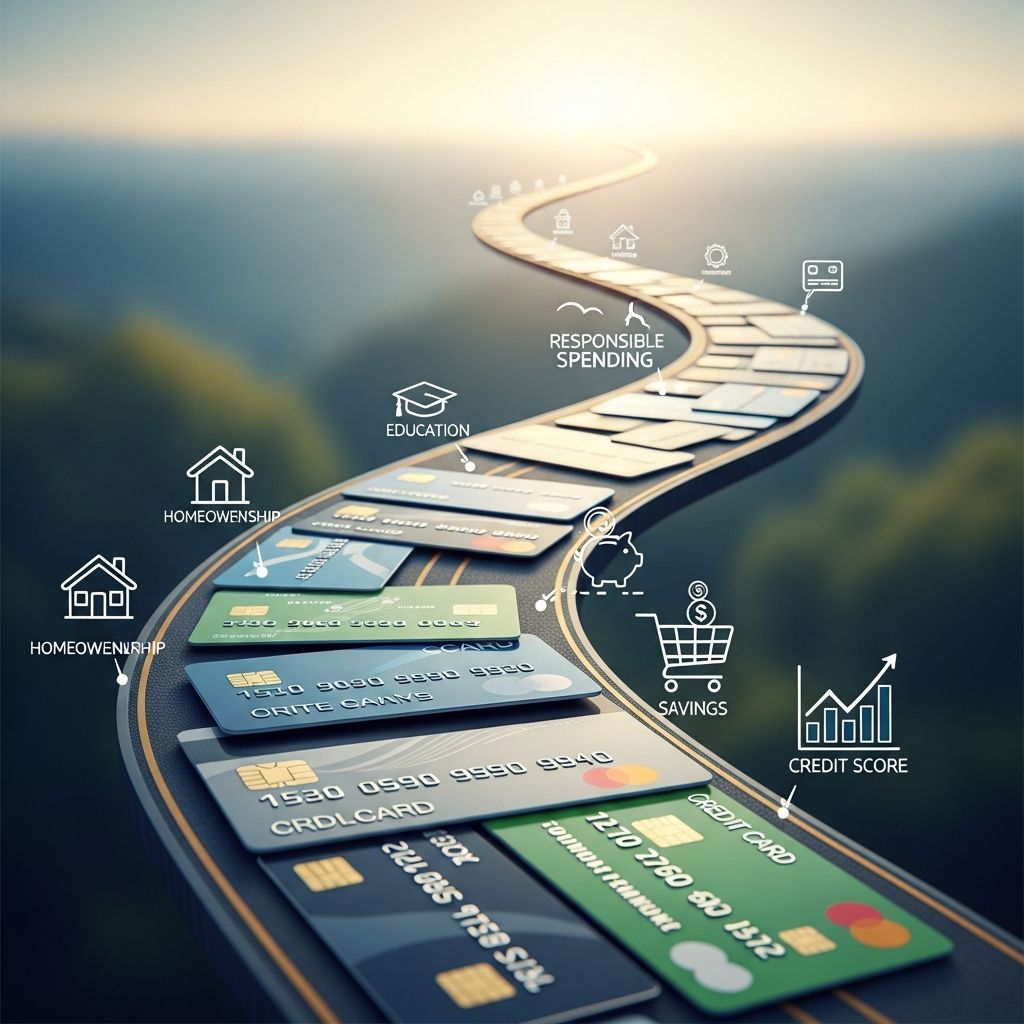
Taking on your first credit card represents a pivotal moment in your financial life. Whether you’re eager to establish your credit history, enjoy the convenience of cashless transactions, or unlock the potential of rewards programs, understanding how to navigate this responsibility is crucial. Credit cards offer significant advantages when used wisely, but they also demand discipline and awareness. This comprehensive guide walks you through everything you need to know about obtaining, using, and maintaining your first credit card.
Understanding the Foundation: What Credit Cards Really Do
A credit card is fundamentally a borrowing tool that allows you to make purchases now and pay for them later. Unlike a debit card, which draws directly from your bank account, a credit card extends a line of credit from the card issuer. You receive a monthly bill detailing all your purchases, and you’re responsible for paying back what you borrowed within a specified timeframe. The way you manage this borrowing directly impacts your credit score, which lenders use to evaluate your trustworthiness for future loans, mortgages, and even employment opportunities.
Understanding this fundamental concept helps you approach credit card use with the right mindset. Think of your credit card not as free money, but as a short-term loan that you’ll need to repay. This perspective shapes responsible spending habits from day one.
Selecting Your First Card: Making an Informed Choice
Before rushing into an application, take time to evaluate what matters most to your financial situation and spending patterns. The credit card landscape offers thousands of options, each with distinct features, benefits, and drawbacks.
Key Comparison Factors
- Interest Rates (APR): Look for cards with lower annual percentage rates, especially if you anticipate carrying a balance. Introductory 0% APR offers can provide breathing room during your early months of use.
- Annual Fees: Many beginner-friendly cards carry no annual fee. Avoid paying for the privilege of borrowing money until you have substantial card experience.
- Rewards Structure: Cards offer various reward mechanisms—some provide flat rates on all purchases, while others offer bonus points in specific categories like groceries or gas.
- Card Terms and Conditions: Thoroughly review the fine print regarding interest rates, fees, grace periods, and other policies that directly affect your costs.
- Additional Benefits: Evaluate perks like fraud protection, account management tools, customer service quality, and mobile app functionality.
Beginner-Specific Considerations
Cards marketed toward first-time users typically feature lower credit requirements, reasonable interest rates, and straightforward terms. These cards acknowledge that you’re building credit history and offer features designed to support your learning process rather than exploit it. Look for cards that provide educational resources, spending alerts, and easy-to-use account management platforms.
Navigating the Application Process
Applying for a credit card has become increasingly streamlined. Most applications can be completed online in minutes, though you can also apply through a bank branch or over the phone.
Step-by-Step Application Guide
- Visit the credit card issuer’s official website and carefully review all card features and terms before proceeding.
- Click the application button and begin filling out required information, which typically includes your legal name, address, contact information, date of birth, and Social Security number.
- Provide financial information such as gross annual income, employment status, and housing details. Have documentation available if needed.
- Read the complete terms and conditions, paying special attention to interest rates, fees, grace periods, and repayment terms.
- Submit your application and wait for a response. The underwriting process typically takes seconds to minutes.
Preparing for the Application
Before hitting “submit,” gather important documents nearby for reference, including your government-issued ID, Social Security card, recent tax returns or pay stubs, and information about any existing accounts. This preparation streamlines the process and reduces errors that could delay your application.
After Approval: Setting the Stage for Success
Receiving approval marks an important milestone, but your real credit-building journey begins now. The decisions you make in your first months of card ownership establish patterns that shape your credit health for years to come.
Immediate Action Items
- Read Your Card Agreement: Don’t simply file your cardholder agreement away. Understand your specific account terms, including your credit limit, APR, billing cycle dates, and payment due dates.
- Activate Your Card: Follow the issuer’s instructions to activate your physical card or set up your digital wallet access.
- Set Up Account Access: Create online and mobile app accounts to monitor your balance, transactions, and statements in real time.
- Configure Security Features: Establish a strong, unique passcode and enable fraud alerts and spending notifications.
- Arrange Payment Methods: Link a bank account for bill payments and set up automatic payment options if available.
Spending Wisely: The Core of Responsible Card Use
How you spend with your credit card determines whether it becomes a tool for building credit or a source of financial stress. The most important principle is simple: only charge purchases you can afford to pay back in the near term.
Establishing a Sustainable Budget
Before making your first purchase, create a realistic budget that accounts for all your monthly expenses and income. Your credit card should fit within this budget, not expand it. Many first-time users make the mistake of treating a credit card as additional income rather than a repayment obligation. Avoid this trap by planning each purchase carefully.
A practical approach involves designating your credit card for specific, planned purchases—perhaps regular monthly expenses like utilities or groceries—rather than impulse buys or emergency needs you haven’t budgeted for. This controlled usage helps you develop awareness of your spending patterns and prevents the common pitfall of overspending simply because the card feels like “free money.”
Understanding Credit Utilization
Your credit utilization ratio—the percentage of your available credit that you’re actively using—significantly impacts your credit score. Financial experts generally recommend keeping your utilization below 30 percent of your total credit limit. If your card has a $1,000 limit, aim to maintain a balance below $300 at any given time.
Why does this matter? Lenders view high utilization as a sign that you’re relying heavily on credit and may struggle to manage additional debt. Lower utilization demonstrates that you’re using credit responsibly without overextending yourself. This metric is particularly important in your first year of card ownership when lenders are still evaluating your creditworthiness.
Payment Practices: The Foundation of Credit Building
Your payment history accounts for 35 percent of your credit score, making it the most influential factor in determining your creditworthiness. This statistic underscores why payment discipline matters more than any other aspect of credit card use.
Making On-Time Payments
Pay your bills by the due date every single month without exception. Even one late payment can damage your credit score for months, creating a negative mark that lenders will scrutinize for years. To ensure you never miss a due date, set up automatic payments through your bank account or the card issuer’s website. Most banks offer autopay options where a minimum payment or your full balance is automatically paid on a specified date each month.
Paying Your Full Balance
While making the minimum payment technically fulfills your obligation, paying your entire balance each month offers tremendous advantages. When you pay in full, you avoid accumulating interest charges that compound month after month. A $500 purchase at 18 percent APR costs significantly more if you only pay minimums over several months. Paying in full also demonstrates to credit bureaus that you manage credit responsibly, which accelerates credit score improvements.
Strategic Timing and Amounts
Some cardholders benefit from making multiple payments throughout the month rather than one lump sum at the billing cycle’s end. This approach reduces your average balance and can further improve your utilization ratio. Even small early payments demonstrate commitment to responsible use.
Monitoring and Fraud Prevention
Active monitoring of your account protects you from fraud while helping you maintain awareness of your spending patterns and financial health.
Regular Statement Review
Review your monthly statements thoroughly, whether you receive paper statements or check online. Verify that every listed transaction matches your actual purchases. Unauthorized charges should be reported immediately to your card issuer. Many credit card companies offer online platforms and mobile apps providing real-time transaction data, eliminating the need to wait for monthly statements to spot problems.
Fraud Protection Strategies
- Never provide your credit card number over the phone unless you initiated the call.
- Create a strong, unique passcode that differs from other financial accounts.
- Enable fraud alerts and notifications for suspicious activity through your card issuer’s app or website.
- Report lost or stolen cards immediately to prevent unauthorized use.
- Monitor your credit reports regularly for unfamiliar accounts or inquiries.
Common Pitfalls to Avoid
Understanding what not to do proves just as valuable as knowing best practices. First-time credit card users frequently encounter avoidable mistakes that damage their financial trajectory.
Multiple Applications and Hard Inquiries
Avoid applying for numerous credit cards in a short timeframe. Each application triggers a hard inquiry on your credit report, which temporarily lowers your credit score. Start with a single card, establish good habits, and only apply for additional cards when you’ve demonstrated responsible use over many months.
Chasing Rewards Over Responsibility
While rewards programs offer genuine value, don’t let them drive overspending. If a $1,500 purchase would exceed your budget, the 2 percent cash back reward doesn’t justify making it. Rewards should be a bonus for purchases you’d make anyway, not incentives to spend beyond your means.
Ignoring Statements and Due Dates
Staying organized is non-negotiable. Missing payment deadlines or failing to notice fraudulent charges both harm your financial health. Use calendar reminders, autopay features, or mobile app notifications to maintain awareness.
Building Your Credit Score Over Time
Your credit score doesn’t improve overnight, but consistent responsible use produces measurable progress. The factors contributing to your score include payment history (35%), credit utilization (30%), length of credit history (15%), credit mix (10%), and new credit inquiries (10%).
As a first-time cardholder, focus on the factors within your immediate control: making every payment on time and keeping your utilization low. As months pass and your account history lengthens, these positive behaviors accumulate, steadily improving your creditworthiness. Within 6-12 months of responsible use, you should see noticeable credit score improvements that translate to better rates and terms on future credit products.
Maximizing Benefits While Maintaining Discipline
Credit cards offer legitimate advantages beyond simple borrowing convenience. Rewards programs, purchase protection, extended warranties, and fraud liability limits all add value for responsible users. The key is capturing these benefits without compromising your financial discipline.
If your card offers a sign-up bonus, understand what spending is required to earn it and ensure you can meet that threshold through normal spending rather than artificial purchases. Similarly, if your card provides a 0% APR introductory period, use that time to pay down any balance rather than increase spending.[10]
Moving Forward: Next Steps in Your Credit Journey
Your first credit card is the beginning, not the end, of your credit building journey. After establishing a solid track record with your initial card, you’ll have opportunities to request credit limit increases, apply for additional cards that match evolving financial needs, and access increasingly favorable lending terms.
Remember that credit building is a marathon, not a sprint. The habits you establish now—paying on time, spending responsibly, monitoring your accounts—create a foundation for financial success that extends far beyond your first credit card. By approaching credit card use with intention and discipline, you transform this tool into a powerful asset for achieving your long-term financial goals.
References
- An Essential Guide to Your First Credit Card — Experian. 2025. https://www.experian.com/blogs/ask-experian/how-to-get-your-first-credit-card/
- 7 Tips for Your First Credit Card — Better Money Habits, Bank of America. 2025. https://bettermoneyhabits.bankofamerica.com/en/credit/first-credit-card
- A Guide to Credit Cards for Beginners — Citi.com. 2025. https://www.citi.com/credit-cards/understanding-credit-cards/how-to-get-a-first-credit-card
- Beginner’s Guide to Your First Credit Card — Service Credit Union. 2025. https://servicecu.org/resources/blog/detail/credit-and-lending/beginners-guide-to-your-first-credit-card/
- A How-to-Guide on Your First Credit Card — CSE Federal Credit Union. 2025. https://www.csefcu.com/blog/post/a-how-to-guide-on-your-first-credit-card
- A How-to-Guide on Your First Credit Card — CSE Federal Credit Union. 2025. https://www.csefcu.com/blog/post/a-how-to-guide-on-your-first-credit-card
- Credit Card Tips for Beginners Getting Their First Card — Chase. 2025. https://www.chase.com/personal/credit-cards/education/basics/credit-card-tips-for-beginners
Similar Articles








Read full bio of medha deb