Credit Card Balances: 5 Ways To Lower Utilization
Master the difference between statement and current balances to avoid interest and boost your credit score effectively.

Your credit card balance represents the total amount of credit you’ve utilized, encompassing purchases, transfers, advances, and any accrued interest or fees. Grasping this concept is fundamental to maintaining financial control and optimizing your credit profile.
Defining Core Balance Types
Two primary balance figures appear on most credit card statements: the statement balance and the current balance. Each captures a unique moment in your account’s activity, influencing how you approach payments and debt avoidance.
Statement Balance Fundamentals
The statement balance is calculated at the close of your billing cycle, typically spanning 28 to 31 days. It sums all transactions posted during that period, including purchases, fees, interest, and payments or credits received.
Paying this balance fully by the due date prevents interest accrual on new purchases, a practice known as paying in full. Failure to do so results in interest on the remaining amount, potentially escalating costs significantly.
Current Balance Insights
In contrast, the current balance provides a real-time snapshot of what you owe at any given moment. It incorporates recent transactions, payments, and even pending authorizations that haven’t fully posted yet.
For instance, a grocery purchase made post-statement closing date will elevate your current balance immediately upon authorization, reducing available credit even before final posting.
Key Distinctions and Their Implications
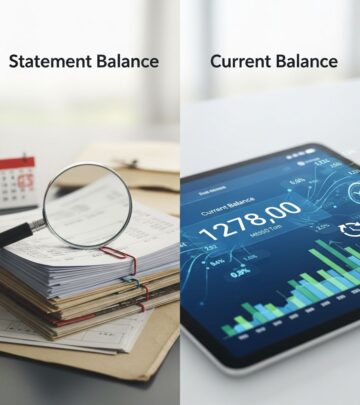
| Aspect | Statement Balance | Current Balance |
|---|---|---|
| Timing | Fixed at billing cycle end | Updates continuously |
| Inclusions | Posted transactions from cycle | Posted + pending transactions |
| Payment Goal | Pay in full to avoid interest | Monitor to track real-time debt |
| Credit Impact | Often reported to bureaus | Affects available credit now |
These differences matter because the statement balance often determines credit bureau reporting, while the current balance dictates your immediate spending power.
Navigating Your Credit Card Statement
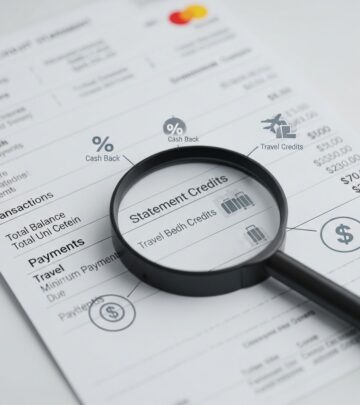
Reviewing your monthly statement reveals several balance-related figures. The previous balance carries over unpaid amounts from prior cycles, adjusted by new payments and charges to yield the new statement balance.
Additional elements include the minimum payment—typically a small percentage of the balance plus interest and fees—and the total balance, which may encompass installment plans or promotional balances.
- Previous Balance: Unpaid amount from last statement.
- New Charges: Purchases, advances, and fees added this cycle.
- Payments/Credits: Reductions applied during the period.
- Statement Balance: Net result to pay by due date.
- Total Balance: Current snapshot including post-statement activity.
Understanding these helps in verifying accuracy and spotting discrepancies promptly.
Credit Limits and Available Credit
Your credit limit sets the maximum chargeable amount, shared across purchases, transfers, and cash advances. Available credit is this limit minus your current balance, including pending items.
Cash limits, a subset of the total, cap withdrawals and transfers. Exceeding limits triggers declines and potential fees, underscoring the need for vigilant balance monitoring.
Influence on Credit Scores
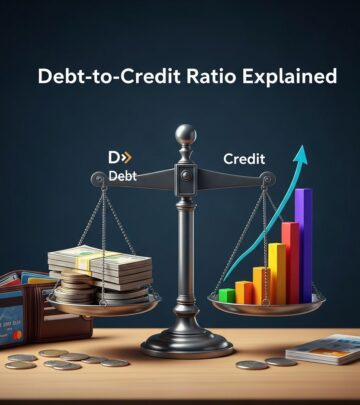
Credit utilization—your balances relative to limits—comprises about 30% of your FICO score. Bureaus receive updates monthly, usually mirroring the statement balance.
Experts advise keeping utilization under 30%, ideally below 10% for optimal scores. For a $10,000 limit, this means reported balances under $3,000.
High utilization signals risk to lenders, lowering scores even if paid off mid-cycle, as reporting precedes payments in many cases.
Real-World Statistics on Balances
U.S. credit card debt reached $1.07 trillion by Q1 2025, averaging $6,371 per cardholder, up from prior quarters per TransUnion data.
This trend highlights rising reliance on credit amid economic pressures, making balance management crucial for avoiding compounding debt.
Effective Strategies for Balance Control
- Pay Statement Balance Fully: Eliminates interest on purchases; set autopay for reliability.
- Track Current Balance Daily: Use apps to monitor spending and pendings, preventing overspending.
- Time Payments Strategically: Pay mid-cycle to lower reported utilization without affecting statement payoff.
- Request Limit Increases: Boosts utilization ratio if balances stay constant; inquire with issuer.
- Avoid Cash Advances: High fees and immediate interest make them costly balance inflators.
Balance transfers to 0% APR cards can consolidate debt, but watch transfer fees and promo periods.
Common Pitfalls and Avoidance Tips
Misinterpreting balances leads to interest surprises. Pending transactions reserve credit, so a $100 hold reduces availability despite not posting fully.
Minimum payments cover only interest plus a sliver of principal, prolonging debt. Always aim higher to shrink balances faster.
- Ignore pendings at your peril—they impact limits now.
- Chase minimums foster debt cycles.
- Forget review: Unchecked errors compound.
Tools for Monitoring and Management
Most issuers offer mobile apps displaying both balances prominently on dashboards. Enable alerts for low available credit or due dates.
Third-party apps aggregate accounts for holistic views, aiding budgeting against balances.
Advanced Tactics for Debt Reduction
For carried balances, prioritize high-APR cards via debt avalanche method. Snowball—smallest balances first—builds momentum psychologically.
Negotiate hardship plans with issuers for temporary relief on rates or minimums during financial strain.
Frequently Asked Questions
What happens if I pay only the minimum?
Interest accrues on the remainder, often at high APRs, extending payoff timelines and increasing total costs.
Does current balance affect my credit score?
Indirectly; bureaus see statement balances, but high currents limit score-boosting actions like payments before reporting.
How do pending transactions work?
Authorized but unposted, they reduce available credit temporarily until merchant finalizes.
Can I lower utilization quickly?
Yes, via payments or limit increases, but effects show on next bureau report.
What’s a healthy balance?
Zero or low relative to limits; under 30% utilization reported.
Building Long-Term Financial Habits
Consistent full payments and low utilization foster strong credit histories, unlocking better rates on loans and cards. Track progress quarterly via free bureau reports.
Integrate balances into broader budgets: Allocate spending caps per category to preempt balance spikes.
In 2026, with debt averages climbing, proactive management distinguishes thriving finances from burdensome debt. Start by logging in today—check those balances and chart your path forward.
References
- Statement Balance vs. Current Balance — U.S. Bank. 2024. https://www.usbank.com/credit-cards/credit-card-insider/credit-card-basics/statement-balance-vs-current-balance.html
- What Is An Outstanding Balance On A Credit Card? — Bankrate. 2025-01-01. https://www.bankrate.com/credit-cards/advice/what-is-outstanding-balance/
- Understanding Your Credit Card Balance — RBC Royal Bank. 2024. https://www.rbcroyalbank.com/en-ca/my-money-matters/money-academy/credit-and-borrowing/understanding-credit-cards/understanding-your-credit-card-balance/
- How to read your credit card statement — CIBC. 2024. https://www.cibc.com/en/personal-banking/credit-cards/how-to-read-your-credit-card-statement.html
- How Credit Cards Work: A Beginner’s Guide — Navy Federal Credit Union. 2024. https://www.navyfederal.org/makingcents/credit-debt/credit-card-basics.html
Similar Articles








Read full bio of medha deb