Using Credit Cards at ATMs: A Complete Guide
Understand how to withdraw cash with your credit card and the costs involved
When unexpected expenses arise or you find yourself without sufficient funds in your checking account, using your credit card at an ATM might seem like a convenient solution. However, what appears to be a straightforward transaction carries significant financial implications that many cardholders overlook. Understanding how credit card cash withdrawals work, the associated costs, and when they make sense is essential for managing your finances responsibly.
The Basics of Credit Card Cash Withdrawals
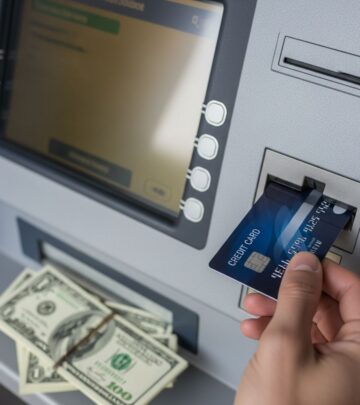
Using your credit card to obtain cash at an ATM is fundamentally different from withdrawing money using a debit card, despite the similar operational steps. When you use a debit card, you are accessing your own funds from a linked checking or savings account. In contrast, a credit card cash withdrawal is actually a short-term loan that you must repay with interest and fees. This distinction is critical because it affects how the transaction impacts your finances and credit profile.
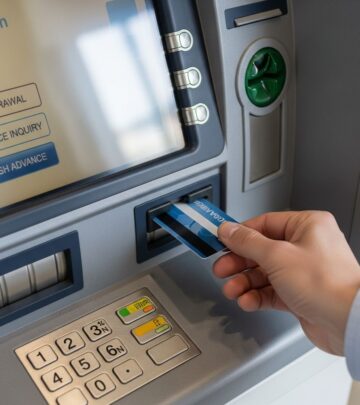
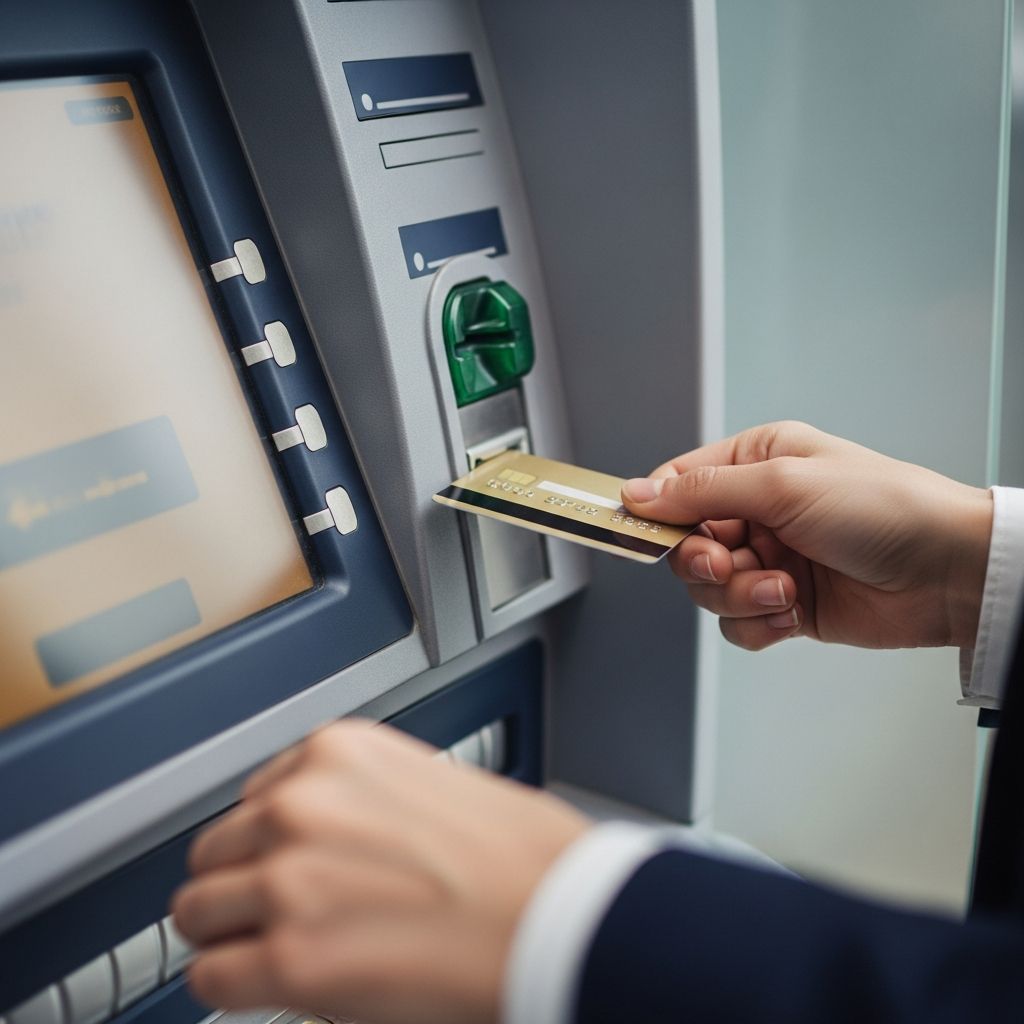
The process itself is straightforward and resembles using a debit card at an ATM. You locate an ATM that accepts credit cards, insert your card, enter your personal identification number (PIN), select the cash withdrawal option, specify the amount you need, and complete the transaction. However, the financial consequences of this simple procedure are far more complex than the mechanical steps suggest.
Step-by-Step Process for Withdrawing Cash
To successfully withdraw cash using your credit card, follow these procedures carefully:
- Identify an ATM that accepts credit card transactions. Not all ATMs support credit cards, so you may need to search for one affiliated with your card issuer or a network that accepts your card type.
- Insert your credit card into the machine when prompted. Ensure the card is properly positioned to avoid transaction errors.
- Enter your credit card PIN. If you do not have a PIN established, you will need to set one up by contacting your card issuer or through your online account portal before attempting a withdrawal.
- Navigate the on-screen menu and select the option for cash withdrawal or cash advance. Some ATMs may use different terminology, but the intent remains the same.
- Confirm whether you want the withdrawal charged to your credit account, as some ATMs offer choices between checking, debit, or credit options.
- Enter the specific amount of cash you wish to withdraw.
- Review and acknowledge any fees associated with the transaction. Most ATMs will display this information before you proceed.
- Complete the transaction and collect your cash along with your receipt.
The True Cost of Credit Card Cash Advances
The financial burden of using a credit card at an ATM extends beyond a simple transaction fee. Multiple layers of costs accumulate quickly, making cash advances one of the most expensive ways to obtain cash.
Cash Advance Fees
Every time you withdraw cash using your credit card, your card issuer charges a cash advance fee. This fee typically ranges from 2.5% to 3% of the transaction amount, with a minimum charge that varies by card issuer. For example, a $200 withdrawal might incur a $5 to $6 fee in addition to any ATM operator charges. These fees appear on your credit card statement and must be repaid along with the original cash amount.
ATM Operator Fees
In addition to your card issuer’s fees, you may also face charges from the ATM operator. If you use an ATM outside your bank’s network, the operator typically charges an interchange or maintenance fee. These fees can range from $2 to $5 per transaction depending on the ATM operator and your location. Some credit card issuers may offer limited free ATM transactions monthly before applying these additional charges.
Interest Rate Charges
The most significant cost associated with credit card cash advances is the interest rate. Unlike regular credit card purchases that typically come with a grace period before interest accrues, cash advance interest begins accumulating immediately from the date of withdrawal. The interest rate for cash advances is almost always higher than the rate for standard purchases, sometimes significantly so. This means you pay interest on the full borrowed amount from day one until you completely repay it, with no interest-free period to reduce the burden.
Understanding Cash Advance Limits
Credit card companies typically impose separate limits on cash advances that differ from your overall credit card limit. This means even if you have substantial available credit on your card, you may only be permitted to withdraw a fraction of that amount in cash. For instance, your total credit limit might be $5,000, but your cash advance limit could be restricted to $1,000 or less.
If you attempt to withdraw an amount exceeding your cash advance limit, your transaction will be declined. Before attempting a withdrawal, check your credit card terms, review your latest statement, or contact your card issuer to confirm your specific cash advance limit. This prevents declined transactions and protects you from the embarrassment of having your card rejected at an ATM.
Alternative Methods for Obtaining Cash
Given the substantial costs associated with credit card cash advances, exploring alternative options often proves more economical. Several approaches can help you access the cash you need without incurring excessive fees and interest charges.
Bank Teller Withdrawal
You can obtain a cash advance directly from a bank branch by visiting in person and presenting your credit card. This method may involve showing identification and potentially calling ahead to confirm that the branch can process your request. While this still incurs the same fees and interest charges as an ATM withdrawal, some cardholders find it more convenient or trustworthy than automated machines.
Cashback at Retail Locations
Many retail merchants offer cashback as part of a purchase transaction. When you make a purchase and request cash back, the amount is charged to your credit card account. While this also technically constitutes a cash advance with associated fees and interest, it may feel less financially burdensome because you’re simultaneously obtaining needed merchandise.
Debit Card Withdrawals
If possible, withdrawing cash from your checking or savings account using a debit card remains the most cost-effective option. This method avoids cash advance fees, interest charges, and the immediate interest accrual associated with credit card withdrawals. Debit card withdrawals only use your own funds and typically involve minimal fees, especially when using your bank’s ATM network.
Borrowing from Friends or Family
For small amounts needed in emergencies, borrowing from trusted friends or family members avoids all financial fees and interest charges. While this option has social considerations, it remains financially superior to credit card cash advances for short-term cash needs.
Comparison of Cash Access Methods
| Access Method | Immediate Costs | Interest Rate | Grace Period | Recommended Use |
|---|---|---|---|---|
| Credit Card ATM Cash Advance | 2.5-3% + ATM fees | Higher than purchases | None (immediate) | Emergency situations only |
| Debit Card Withdrawal | $0-3 (depending on ATM) | N/A | N/A | Regular cash needs |
| Bank Branch Cash Advance | 2.5-3% + possible branch fee | Higher than purchases | None (immediate) | When ATM is unavailable |
| Cashback Purchase | 2.5-3% on cash portion | Higher than purchases | None (immediate) | When making a purchase anyway |
Impact on Your Credit Profile
While a single cash advance may not dramatically damage your credit score, repeated or large cash advances can negatively impact your creditworthiness. Credit utilization—the ratio of borrowed funds to available credit—factors into your credit score calculation. High cash advance usage increases this ratio, potentially lowering your score. Additionally, lenders view frequent cash advances as indicators of financial stress, which may affect future credit applications and interest rates offered to you.
Situations Where Cash Advances Make Sense
Although cash advances are expensive, certain legitimate scenarios warrant their consideration. True emergencies where no alternative exists—such as needing to pay for urgent car repairs or medical expenses when your debit account is empty—might justify the cost. Similarly, if you can repay the entire advance within your current billing cycle, you may minimize interest charges.
However, using a cash advance for discretionary spending or non-essential purchases is financially irresponsible. The high costs make them suitable only for genuine emergencies when all other options have been exhausted.
Tips for Managing Cash Advance Debt
If you have already taken a cash advance, prioritize repaying it as quickly as possible. Given that interest begins accumulating immediately, every day you carry the balance costs you money. Consider whether you can access additional funds to pay down the balance quickly. Additionally, avoid taking additional cash advances while paying off existing ones, as this compounds your financial burden.
Frequently Asked Questions
Can I withdraw cash from any credit card at any ATM?
Most credit cards allow cash withdrawals at ATMs, but not all cards support this feature. Additionally, not all ATMs accept credit cards—many are restricted to debit cards and bank account access. Check your card terms and look for ATMs specifically advertising credit card acceptance.
What happens if I don’t have a PIN for my credit card?
If you haven’t established a PIN, you cannot use your card at an ATM. Contact your credit card issuer by phone or through your online account to set up a PIN before attempting any ATM withdrawal.
Is there a grace period for credit card cash advances?
No. Unlike regular credit card purchases, cash advances do not have a grace period. Interest begins accumulating on the borrowed amount immediately from the date of withdrawal.
Can I pay off a cash advance early to reduce interest?
Yes. Paying off a cash advance as quickly as possible significantly reduces the total interest you pay. If your credit card issuer applies payments to your highest-interest debt first, a cash advance should be prioritized for early repayment.
Will taking a cash advance hurt my credit score?
A single cash advance may have minimal immediate impact, but it does increase your credit utilization ratio. Multiple or large cash advances could negatively affect your credit score and may signal financial distress to lenders.
Are there cards specifically designed for cheaper cash advances?
Some specialized cards may offer lower cash advance fees or rates, but these features are not common in the credit card market. Always review your card’s specific terms regarding cash advance policies before applying.
Conclusion: Making Informed Decisions About Credit Card Cash Withdrawals
Using your credit card at an ATM is technically possible and sometimes necessary, but the financial costs make it an option of last resort. The combination of immediate cash advance fees, ATM operator charges, and high interest rates that begin accruing immediately creates a substantial financial burden. Before considering a credit card cash advance, exhaust all alternative options including debit card withdrawals, cashback at retail locations, or borrowing from trusted sources.
If circumstances force you to take a cash advance, commit to repaying it as quickly as possible to minimize interest charges. Understanding the true cost of credit card cash advances empowers you to make financially sound decisions and protects your long-term financial health.
References
- Can I withdraw money from my credit card at an ATM? — Consumer Financial Protection Bureau (CFPB). 2024. https://www.consumerfinance.gov/ask-cfpb/can-i-withdraw-money-from-my-credit-card-at-an-atm-en-34/
- How to withdraw money from a credit card — Wise. 2024. https://wise.com/gb/blog/how-to-withdraw-money-credit-card
- Can You Withdraw Cash From a Credit Card? — Citi. January 26, 2026. https://www.citi.com/credit-cards/understanding-credit-cards/how-to-get-cash-from-a-credit-card
- How To Get Cash From A Credit Card At The ATM — Bankrate. 2024. https://www.bankrate.com/credit-cards/advice/how-to-get-cash-from-a-credit-card/
- Can you use a credit card at an ATM? — U.S. Bank. 2024. https://www.usbank.com/credit-cards/credit-card-insider/credit-card-basics/can-you-use-credit-cards-atm.html
- What is a Credit Card Cash Advance and the Associated Fees? — Bank of America Better Money Habits. 2024. https://bettermoneyhabits.bankofamerica.com/en/credit/what-is-a-credit-card-cash-advance
- Credit Card Cash Withdrawal – Top 3 Factors to Consider — HDFC Bank. 2024. https://www.hdfc.bank.in/blogs/credit-cards/credit-card-cash-withdrawal-dos-and-donts
Similar Articles








Read full bio of Sneha Tete