Understanding Credit Card Interest Rate Changes
Learn what triggers APR increases and how to protect your finances
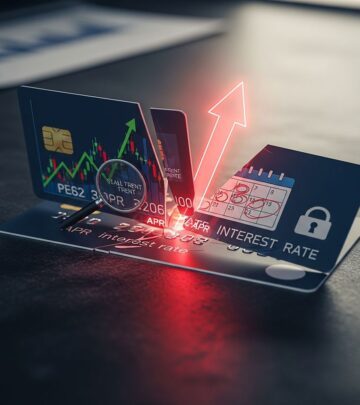
Your credit card’s annual percentage rate (APR) represents the cost of borrowing money through your card, expressed as a yearly interest rate. While many cardholders view their APR as fixed upon account opening, the reality is far more dynamic. Credit card issuers regularly adjust interest rates based on various personal and market-related factors. Understanding what triggers these changes empowers you to make informed financial decisions and potentially avoid substantial interest charges.
How Credit Card APRs Work Fundamentally
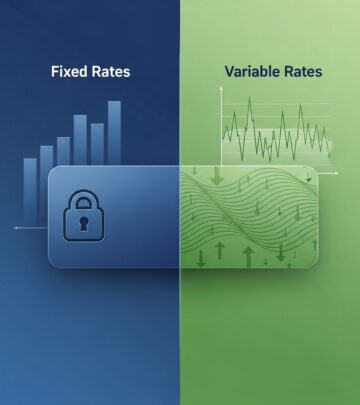
Credit card APRs function differently than many consumers realize. Most credit cards carry variable interest rates rather than fixed rates, meaning the APR can fluctuate throughout your account’s lifetime. The APR on a variable-rate card typically consists of two components: a benchmark rate (commonly the prime rate) and a margin added by the card issuer based on your creditworthiness. When either component changes, your APR adjusts accordingly.
It’s important to note that credit card companies generally cannot increase your APR during the first year after opening an account. However, after that initial period, they can raise rates on new transactions with 45 days’ advance notice. For existing balances, there are stricter limitations—rate increases are typically permitted only in specific circumstances outlined by federal regulations.
The Impact of Benchmark Rate Movements
One of the most significant drivers of APR changes is movement in the benchmark interest rate, primarily the prime rate. The prime rate serves as the foundation for countless consumer lending products and changes in response to Federal Reserve policy decisions. When the Federal Reserve adjusts the federal funds rate—the rate at which banks lend reserve balances overnight—the prime rate typically follows suit within days.
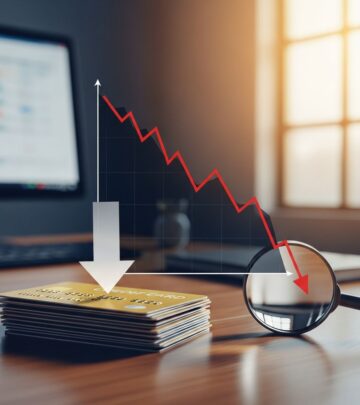
For cardholders with variable-rate cards, these Federal Reserve actions directly influence their APR. If the Federal Reserve raises interest rates to combat inflation or for other policy reasons, your card’s APR will likely increase even if your personal financial situation hasn’t changed. Conversely, when the Fed lowers rates, your APR may decrease. This mechanism means that macroeconomic conditions beyond your control can substantially impact your borrowing costs.
Promotional Periods and Rate Resets
Many credit cards entice new customers with promotional APR offers, such as 0% APR on purchases or balance transfers for a specified introductory period. These offers create a false impression of permanently low rates. Once the promotional window closes—whether after 6 months, 12 months, or longer—your APR reverts to the standard variable rate assigned to your card. This transition often results in a dramatic increase in interest charges, particularly if you’ve maintained a balance during the promotional period.
It’s critical to understand the terms of any promotional offer before transferring a balance or opening a new account. Missing payments during the promotional period can also trigger early termination of the promotional rate, immediately subjecting your balance to the higher standard APR.
Payment History and Penalty Interest Rates
Your payment behavior directly influences your APR. If you miss a payment or pay late, credit card companies may impose what’s known as a penalty APR. The specific trigger is typically 60 or more days of delinquency on your minimum payment. Once activated, this penalty rate applies not only to the overdue balance but also to new transactions on your card, resulting in significantly higher interest charges.
The consequences of missing payments extend beyond immediate rate increases. A penalty APR remains in effect until you demonstrate responsibility by making six consecutive on-time payments, after which the card issuer must restore your account to the standard APR. However, even one missed payment within that six-month window resets the clock, requiring you to start the improvement process anew.
Credit Utilization and Balance Considerations
The amount of credit you’re currently using relative to your limits significantly influences whether your card issuer raises your APR. Carrying a consistently high balance from month to month signals increased risk to the card company, potentially triggering an APR increase on new transactions. Additionally, if you’ve reached or exceeded your credit limit, this demonstrates financial stress and may prompt rate increases.
Credit utilization affects not only your APR but also your credit score, creating a compounding effect. When your score declines due to high utilization or other factors, card issuers may interpret this as heightened risk, providing justification for APR increases.
Issuer-Initiated Rate Adjustments
Beyond the specific circumstances mentioned above, credit card companies retain the discretion to raise rates after your first year as an account holder. Card issuers continuously monitor creditworthiness and account usage patterns. If they perceive increased risk—whether from changes in your credit behavior, declining credit scores, or economic indicators—they can initiate a rate increase with 45 days’ advance notice.
These issuer-initiated increases apply only to new transactions occurring 14 or more days after the notice period begins. This distinction is important: your existing balance typically remains subject to your previous rate unless one of the specific exceptions applies (such as promotional period expiration or penalty APR activation).
Cash Advances and Transaction-Specific Rates
Credit card companies often assign different APRs to different transaction types. Your purchase APR, balance transfer APR, and cash advance APR may all differ significantly. If you take out a cash advance, you may activate a substantially higher APR specific to that transaction type. Unlike purchases, cash advances also typically begin accruing interest immediately without a grace period, compounding the cost of borrowing through this method.
Hardship Programs and Special Circumstances
While most APR changes increase your rate, certain situations may lower it. If you experience genuine financial hardship and contact your card issuer, they may offer a hardship program featuring a temporarily reduced APR. These programs require meeting specific terms and maintaining account status. Failure to comply with the agreed-upon terms may result in the APR reverting to its previous level or increasing beyond the original rate.
Similarly, active-duty military members may qualify for reduced APRs under the Servicemembers Civil Relief Act (SCRA). Upon termination of active-duty status, eligibility for these benefits ceases, potentially triggering an APR increase.
How to Monitor and Respond to Rate Changes
Credit card companies are required to notify cardholders of rate increases with adequate advance notice. These notifications typically appear on monthly statements or arrive via email. Reviewing correspondence from your card issuer carefully ensures you catch any rate changes before they take effect.
Upon receiving notice of an increase, you have options:
- Contact your card issuer to request a lower rate, particularly if your credit score has improved or you’ve demonstrated consistently responsible payment behavior
- Transfer your balance to a card with a lower APR, ideally before the increase takes effect
- Develop an accelerated payoff strategy to minimize the impact of higher rates
- Evaluate whether maintaining the card remains beneficial given the increased cost
Preventive Strategies for Rate Management
While some APR increases result from external factors beyond your control, many are preventable through responsible financial management. Maintaining an excellent payment history by paying at least the minimum amount by the due date protects you from penalty APRs. Keeping your credit utilization below 30% of your available credit limit signals financial responsibility and may help maintain favorable rates.
Additionally, monitoring your credit score provides early warning of potential issues. If your score declines, take immediate steps to improve it before card issuers use it as justification for rate increases. Requesting APR reductions from your card issuer, particularly if you’ve been a long-standing customer or your creditworthiness has improved, can sometimes prevent increases altogether.
Frequently Asked Questions
Can a credit card company increase my APR without notice?
No. Federal regulations require credit card companies to provide 45 days’ advance notice before increasing your APR on new transactions. However, certain situations like penalty APRs for delinquency may apply more immediately after 60 days of missed payments.
Will my APR increase if the Federal Reserve raises rates?
Most likely, yes. If you have a variable-rate card (which most credit cards are), your APR will typically increase when the Federal Reserve raises its benchmark rates. The timing depends on when your card issuer adjusts their rates relative to Fed changes.
How long does a penalty APR last?
A penalty APR remains active until you make six consecutive on-time minimum payments. At that point, your card issuer must restore your standard APR. However, missing even one payment during this period resets the requirement.
Can I negotiate my credit card APR?
Yes. Many card issuers are willing to negotiate rates, particularly if you’ve been a loyal customer with good payment history or if your creditworthiness has improved since opening the account. Requesting a lower rate during customer service calls can sometimes succeed.
What’s the difference between fixed and variable APR?
Fixed APRs remain constant throughout your account’s life (though they can be increased with proper notice). Variable APRs fluctuate based on changes to a benchmark rate like the prime rate. Most credit cards feature variable rates.
References
- What Can Increase Your Credit Card’s APR? — Experian. 2024. https://www.experian.com/blogs/ask-experian/what-can-increase-credit-card-apr/
- Why Is My Credit Card APR So High? — Navy Federal Credit Union. 2024. https://www.navyfederal.org/makingcents/credit-debt/why-is-my-credit-card-apr-high.html
- Reasons a Credit Card APR Can Increase or Decrease — SoFi. 2024. https://www.sofi.com/learn/content/what-can-increase-credit-card-apr/
- Why did your credit card APR increase? — Chase Bank. 2024. https://www.chase.com/personal/credit-cards/education/interest-apr/why-did-your-credit-card-apr-increase
- When can my credit card company increase my interest rate? — Consumer Financial Protection Bureau. 2024. https://www.consumerfinance.gov/ask-cfpb/when-can-my-credit-card-company-increase-my-interest-rate-what-can-i-do-to-get-the-rate-back-down-en-69/
- When and Why Your Credit Card Interest Rate Can Go Up — Federal Deposit Insurance Corporation. 2024. https://www.fdic.gov/consumer-resource-center/when-and-why-your-credit-card-interest-rate-can-go
Similar Articles








Read full bio of medha deb