Understanding Credit Card APR for First-Time Users
Learn how APR works and what rates to expect on your initial credit card
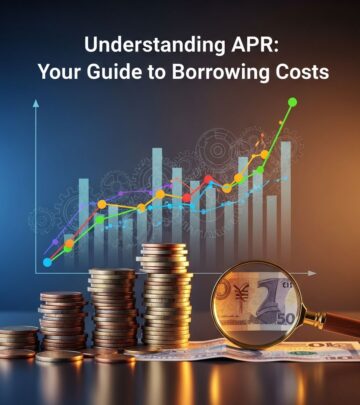
When you apply for your first credit card, one of the most important terms you’ll encounter is APR, or Annual Percentage Rate. This figure represents the cost of borrowing money on your card and directly affects how much you’ll pay in interest if you carry a balance from month to month. For first-time cardholders, understanding APR is crucial to making informed decisions about which card to choose and how to manage your credit responsibly.
What Is APR and How Does It Work?
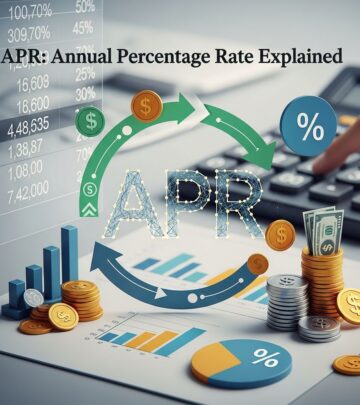
APR stands for Annual Percentage Rate and serves as the primary measure of borrowing cost on a credit card. Unlike the interest rate alone, APR includes fees and other charges associated with the credit line, providing a more complete picture of what you’ll actually pay when you carry a balance. The rate is expressed as a yearly percentage, making it easier to compare different credit products.
When you use your credit card and don’t pay the full balance by the due date, the card issuer charges interest on the remaining amount. This interest accrues daily and compounds, meaning you pay interest on your interest. The APR determines how quickly this cost grows. For example, if your card has a 20% APR and you maintain a $1,000 balance for an entire year, you would accumulate approximately $200 in interest charges, though the actual amount depends on how and when you make payments.
APR Ranges for New Cardholders
The APR you receive as a first-time cardholder depends significantly on your creditworthiness, which lenders assess through your credit score and credit history. Since first-time users typically have limited or no credit history, issuers often offer rates at the higher end of their ranges.
Current market APR ranges reflect competitive offerings across the credit card industry. For new card offers in January 2026, the average APR stands at 23.79%, ranging from a low of 20.18% for applicants with excellent credit to a high of 27.39% for those with poor credit. This represents a slight decrease from December’s 23.96% average.
Different card categories offer varying rates based on their features and target markets:
- Low-interest cards: 13.26% to 22.06% average (17.66%)
- Student credit cards: 17.49% to 27.09% average (22.29%)
- 0% balance transfer cards: 17.65% to 26.81% average (22.23%)
- Rewards and cash back cards: 19.84% to 27.54% average (23.69%)
- Secured credit cards: 26.10% average
Secured credit cards, which require a cash deposit as collateral, typically carry the highest rates despite being designed for those building or rebuilding credit. This paradox exists because secured cards serve borrowers with the most limited credit histories and highest default risks.
Credit Score Impact on Your APR
Your credit score serves as the primary determinant of the APR you’ll receive. Credit scores range from 300 to 850, with higher scores indicating lower risk to lenders. First-time cardholders without established credit history face a significant disadvantage in this system.
Those applying for their first card without any credit history often fall into the “poor” or “fair” credit category by default, since lenders cannot assess your payment reliability. This typically results in APR offers clustering near the 25-27% range. As you build a positive payment history with your first card, your credit score improves, qualifying you for better rates on future cards.
The difference between credit tiers is substantial. Applicants with excellent credit (typically scores above 740) receive average offers around 20.18%, while those with poor credit (typically scores below 620) face average offers around 27.39%. This 7.21 percentage point difference translates to hundreds or thousands of dollars in additional interest on large balances.
Variable vs. Fixed APR on First Cards
When reviewing credit card offers, you’ll encounter two types of APR structures: variable and fixed rates.
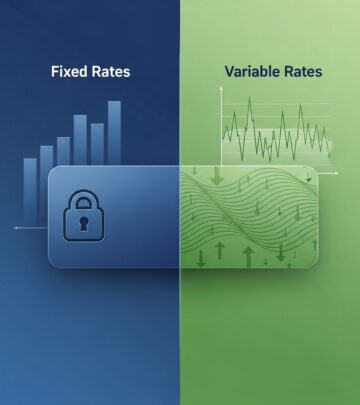
Fixed APR remains constant throughout your relationship with the card issuer, providing predictability in your interest charges. If you receive a fixed rate of 22%, it will stay 22% unless the card issuer provides notice of a change, which is rare for existing cardholders.
Variable APR fluctuates based on market conditions, specifically the prime rate set by the Federal Reserve. Most credit card APRs are variable, meaning they can increase or decrease as the prime rate changes. However, issuers must provide 45 days’ notice before increasing your rate.
For first-time cardholders, variable rates offer lower starting points but carry uncertainty. Fixed rates, though sometimes slightly higher initially, provide protection against future increases. Either way, understanding which type you’re receiving helps you plan your finances more effectively.
Introductory Offers and Promotional Rates
Many credit cards marketed to first-time users feature introductory promotional offers designed to attract new customers. The most common promotion is a 0% APR period for either purchases or balance transfers.
A 0% purchase APR, typically lasting 6-21 months depending on the card, means you won’t pay interest on new purchases during this window, though you still pay fees and must make minimum payments. This offer is particularly valuable for first-time users who plan to make a significant purchase shortly after opening the account.
After the promotional period expires, the regular APR kicks in. It’s crucial to understand that the introductory rate applies only to qualifying transactions and that missing payments can void this benefit entirely. For first-time cardholders, using promotional periods strategically can significantly reduce interest costs while you establish your payment reliability record.
How APR Affects Your Monthly Payments and Total Cost
Understanding how APR translates into actual dollars helps first-time cardholders make smarter financial decisions. Consider a practical example: if you carry a $2,000 balance on a card with a 24% APR and make $100 monthly payments, you’ll need approximately 24 months to pay it off and accumulate roughly $455 in interest charges.
The same $2,000 balance on a card with an 18% APR requires about 23 months and generates $320 in interest. The 6 percentage point difference results in $135 in additional costs. For larger balances, these differences compound dramatically.
The relationship between balance, APR, and payoff time is non-linear. Lower APR cards reduce interest costs significantly, but making larger monthly payments provides even greater savings. Many first-time cardholders underestimate how much interest accumulates, making it easy to find themselves in a debt spiral if they’re not careful.
Strategies to Minimize APR Impact as a New Cardholder
While you may not qualify for the lowest available rates as a first-time user, several strategies can minimize the impact of APR on your finances:
- Pay your full balance monthly: The most effective strategy is to avoid interest entirely by paying your full statement balance by the due date each month. This ensures APR never applies to your account.
- Leverage 0% introductory periods: Time major purchases to coincide with promotional rate windows, allowing months of interest-free borrowing.
- Make multiple payments monthly: Rather than waiting until the statement due date, make smaller payments throughout the month to reduce the average daily balance and minimize interest accrual.
- Request rate reductions: After establishing a positive payment history, call your issuer and request a lower APR. Many issuers reduce rates for reliable customers.
- Compare offers carefully: Don’t accept the first card offer you receive. Compare APR ranges, annual fees, and rewards across multiple issuers to find the best overall value.
- Build credit to access better rates: Use your first card responsibly to improve your credit score, which qualifies you for lower-APR cards within six to twelve months.
Current Market Conditions and APR Trends
Credit card interest rates have experienced significant volatility in recent years. In September 2024, the average APR on new card offers reached a record high of 24.92%. Since then, rates have moderated slightly as the Federal Reserve adjusted monetary policy. The Fed has reduced its benchmark interest rate by 0.75 percentage points since mid-2025, and credit card APRs have tracked closely with this reduction, falling by approximately 0.72 percentage points.
However, credit card rates remain elevated compared to historical averages. As of early 2026, average APRs across all credit card accounts stand at 20.97%, with accounts actually assessed interest averaging 22.30%. Credit unions offer more favorable rates, with an average of 12.87% for basic classic cards as of January 2026, compared to bank averages closer to 21%.
For first-time cardholders entering the market in 2026, current conditions present both challenges and opportunities. While rates remain historically high, slight declines suggest some relief may be forthcoming. Building credit during this period positions new cardholders well for accessing significantly better rates once their credit history improves.
Comparing Your Card Options Before Applying
When selecting your first credit card, APR represents only one factor in the decision, though an important one. Consider the complete package:
| Factor | Importance for First-Time Users | What to Look For |
|---|---|---|
| APR Range | High | Lower minimum rates indicate better best-case scenarios; understand your likely rate based on credit profile |
| Annual Fee | High | Most first cards should be no-annual-fee cards to minimize costs |
| Introductory Offers | Medium | 0% APR periods provide value if you plan to carry balances temporarily |
| Rewards Programs | Medium | Cash back or points programs add value if you pay balances in full |
| Credit Limit | Medium | Higher limits (relative to your income) improve credit utilization ratios |
| Issuer Reputation | High | Established banks and issuers offer better customer service and dispute resolution |
Frequently Asked Questions About Credit Card APR
What’s the difference between my card’s APR and the Federal Reserve’s interest rate?
The Federal Reserve sets the prime rate, which serves as a baseline for variable APR calculations. Card issuers add a margin to this prime rate to determine your actual APR. When the Fed changes rates, variable credit card APRs typically change within one to three billing cycles. However, card issuers can also adjust margins based on market conditions or individual cardholder factors.
Can my APR change after I’m approved?
Yes. Variable APRs change regularly based on prime rate fluctuations. Fixed APRs can also change if you miss payments or if the issuer provides 45 days’ notice of a permanent rate adjustment. Some cards include provisions allowing rate increases after an introductory period expires, even for on-time payers.
Is it better to have a lower limit to avoid temptation?
Lower limits can restrict overspending, but higher limits actually improve your credit score because they lower your credit utilization ratio. The best approach is requesting the highest limit you can qualify for while maintaining discipline in spending.
How quickly will my APR improve with better payment history?
Most issuers review rates every six to twelve months. If you maintain perfect payment history and your credit score improves, calling to request a rate reduction often succeeds, sometimes immediately. Improving your credit score to excellent range (typically 740+) within six months to a year of responsible card use is realistic for most first-time users.
Making Your First Credit Card Decision
As a first-time credit cardholder, you’re embarking on an important financial journey. While your initial APR offer may be higher than you’d prefer, understanding how it works and implementing smart borrowing habits positions you for long-term financial success. The key is treating your first card as a tool for building credit history rather than a way to borrow money you don’t have.
By paying balances in full whenever possible, leveraging any 0% promotional periods strategically, and monitoring your APR as your credit improves, you’ll minimize interest costs while establishing the payment record that unlocks better rates on future financial products. Your first card is the foundation of your credit profile—use it wisely.
References
- Average Credit Card Interest Rate in US Today — LendingTree. January 2026. https://www.lendingtree.com/credit-cards/study/average-credit-card-interest-rate-in-america/
- What is the average credit card interest rate? — Cardratings.com. January 2026. https://www.cardratings.com/financial-literacy/what-is-the-average-credit-card-interest-rate.html
- Current Credit Card Interest Rates — Bankrate. January 2026. https://www.bankrate.com/credit-cards/advice/current-interest-rates/
- What Is the Average Credit Card Interest Rate? — NerdWallet. November 2025. https://www.nerdwallet.com/credit-cards/learn/what-is-the-average-credit-card-interest-rate
- Simpson illustrates unintended consequences of 10% rate cap — America’s Credit Unions. January 2026. https://www.americascreditunions.org/news-media/news/simpson-illustrates-unintended-consequences-10-rate-cap
- Why are credit card rates so high right now? — CBS News. 2026. https://www.cbsnews.com/news/why-are-credit-card-rates-so-high-2026-what-experts-say/
Similar Articles








Read full bio of Sneha Tete