Credit Card Applications and Your Score
Discover how applying for credit cards affects your score, the role of inquiries, and strategies to minimize damage while building credit wisely.

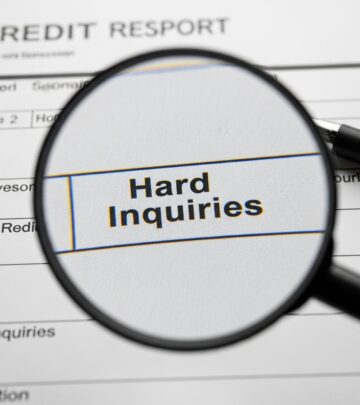
Applying for a new credit card triggers a hard inquiry, which typically lowers your credit score by a few points temporarily.Hard inquiries occur when lenders check your credit report to evaluate your application, and their effect usually fades within months.
Understanding Hard Inquiries
Hard inquiries represent a lender’s formal review of your creditworthiness. Unlike soft inquiries, which don’t impact scores, hard pulls are visible to other lenders and factor into scoring models. FICO data shows a single inquiry often reduces scores by less than five points.
The impact varies by profile: those with strong, long histories see minimal drops, while thinner files experience more noticeable effects. Inquiries remain on reports for two years but influence scores for only 12 months in models like FICO.
New Accounts and Credit Mix Factors
Beyond inquiries, opening a card adds a new account, affecting the “length of credit history” (15% of FICO) and “new credit” (10%). Shorter average account ages can lower scores initially, but responsible use offsets this.
A broader credit mix (10% of score) may help if you lack revolving credit, signaling diverse management skills. However, avoid overextending, as high utilization hurts more (30% of score).
Quantifying the Score Impact
| Factor | FICO Weight | Typical Effect of New Card |
|---|---|---|
| Hard Inquiries/New Credit | 10% | -5 points or less per inquiry |
| Length of History | 15% | Temporary drop from new account age |
| Credit Mix | 10% | Potential boost with responsible use |
| Utilization | 30% | Can improve if limits increase |
New credit weighs 10% in FICO (11% in VantageScore 4.0), making it minor compared to payment history (35%) or utilization. Multiple applications amplify damage, potentially dropping scores by 10+ points.
Strategies to Limit Negative Effects
- Pre-qualify first: Use soft pulls to gauge odds without score impact.
- Space applications: Wait 3-6 months between to avoid compounding inquiries.
- Target one card: Apply only when confident of approval to prevent wasted pulls.
- Check your score: Free tools from bureaus reveal profiles without hard pulls.
- Maintain low utilization: Keep balances under 30% post-approval.
Rate shopping (e.g., mortgages) groups inquiries, minimizing hits—FICO treats them as one for 45 days.
Long-Term Benefits of Strategic Applications
A new card boosts total limits, lowering utilization if you don’t max it out—often outweighing inquiry dips. For thin files, added history builds scores faster with on-time payments.
Consistent use demonstrates reliability, improving scores over time. Avoid churning cards frequently, as it signals risk.
Common Myths Debunked
- Myth: All inquiries hurt equally. Soft pulls (pre-approvals) don’t affect scores.
- Myth: Approval matters more. Hard pulls ding regardless of outcome.
- Myth: Frequent apps destroy scores. Isolated, responsible apps recover quickly.
When to Apply for New Credit
Ideal times: strong score (700+), low utilization, established history. Avoid before big loans like mortgages, as recent inquiries raise flags.
For beginners, secured cards build history without high risk, transitioning to unsecured later.
Frequently Asked Questions
Does applying for a business card hurt personal credit?
Usually no, if it uses a separate business report. Confirm with issuer, as some pull personal credit.
How long until my score recovers?
Typically weeks to months; full fade in 12 months.
Can multiple apps in one day count as one?
Not usually for cards—unlike rate shopping for loans.
Do authorized user adds trigger inquiries?
No hard pull for you; benefits utilization and history.
Is pre-approval the same as pre-qualification?
Pre-approval often implies soft pull; verify to avoid surprises.
Monitoring Your Credit Health
Regular checks via AnnualCreditReport.com (weekly free) or services like Credit Karma help track inquiries. Dispute errors promptly to maintain accuracy.
Build habits: auto-pay bills, request limit increases sparingly, diversify without excess.
References
- Does Applying for a Credit Card Affect Your Credit Score? — TD Bank. Accessed 2026. https://www.td.com/us/en/personal-banking/learning/does-applying-for-a-credit-card-affect-credit-score
- Does Applying for a Credit Card Hurt Your Credit? — Business Insider. Accessed 2026. https://www.businessinsider.com/personal-finance/credit-cards/how-credit-cards-affect-credit-score
- Does Opening a New Credit Card Hurt Your Credit Score? — NerdWallet. Accessed 2026. https://www.nerdwallet.com/finance/learn/will-new-credit-card-hurt-credit-score
- Does Applying for Credit Cards Hurt Your Credit? — Experian. Accessed 2026. https://www.experian.com/blogs/ask-experian/does-applying-credit-cards-hurt-credit/
- Does Applying for a Credit Card Negatively Impact Your Credit? — American Express. Accessed 2026. https://www.americanexpress.com/en-us/credit-cards/credit-intel/does-applying-for-credit-card-hurt-your-credit/
- Does Applying For A Credit Card Hurt Your Credit? — Bankrate. Accessed 2026. https://www.bankrate.com/credit-cards/advice/how-a-new-credit-card-can-affect-your-credit-score/
- Does Applying for a Credit Card Hurt Your Score? — Discover. Accessed 2026. https://www.discover.com/credit-cards/card-smarts/applying-for-credit-card-and-your-credit-score/
Similar Articles








Read full bio of medha deb