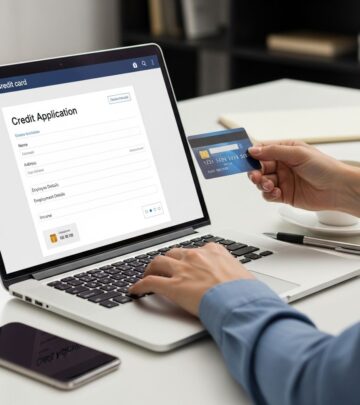
Understanding Credit Card Application Fundamentals
Master the essentials of credit card applications and approval

Applying for a credit card represents a significant financial decision that requires careful preparation and understanding. Whether you’re seeking your first credit card or adding to your existing portfolio, knowing what to expect throughout the application journey can substantially improve your chances of approval and help you secure favorable terms. This comprehensive guide walks you through every aspect of the credit card application process, from initial preparation to receiving your new card.
Pre-Application Preparation: Setting Yourself Up for Success
Before submitting any credit card application, strategic preparation is essential. Taking time to evaluate your financial standing and gather necessary information creates a smoother application experience and increases the likelihood of approval with competitive terms.
Evaluating Your Credit Profile
Your creditworthiness forms the foundation of any credit card application decision. Begin by understanding where you stand in the lending landscape. Most credit card issuers rely heavily on credit scores to make initial determinations about your eligibility and the terms they’ll offer. Checking your credit score before applying serves multiple purposes: it helps you identify which cards align with your credit profile, prevents wasted applications on cards requiring higher scores, and establishes a baseline for comparison after approval.
You can access your credit score through several channels. Many financial institutions provide free credit score access to existing customers through monthly statements or online banking platforms. Additionally, numerous third-party services and credit monitoring companies offer free or low-cost score checks. Understanding your current score allows you to target applications strategically rather than applying broadly and risking unnecessary credit inquiries.
Gathering Essential Documentation
Credit card applications require specific information that demonstrates your identity, income, and financial stability. Collecting these details beforehand streamlines the application process and reduces the time needed for approval. Essential documentation includes:
- Government-issued identification for verification purposes
- Proof of Social Security number or Individual Taxpayer Identification Number (ITIN)
- Current employment information and job title
- Gross annual income from all sources
- Current residential address and housing situation
- Contact information including phone number and email
- Details of existing credit accounts if applying for balance transfer options
Having this information organized and readily available significantly accelerates the application submission process. Many issuers can provide approval decisions within minutes if your application is complete and verified.
Core Eligibility Requirements for Credit Card Applicants
Credit card companies establish baseline eligibility criteria that all applicants must meet. Understanding these requirements helps you determine whether you qualify before investing time in the application process.
Age and Legal Status Requirements
Most credit card issuers require applicants to be at least 21 years old, though some products may have different age thresholds. This age requirement protects younger consumers from taking on debt before they’re legally able to enter binding contracts. Additionally, you must be a United States citizen or permanent resident with a valid Social Security number or Individual Taxpayer Identification Number.
Income Verification
Demonstrating a source of income is crucial for credit card approval. Issuers evaluate income to determine your ability to repay borrowed funds. Your income directly impacts credit limits, interest rates, and overall approval odds. Importantly, acceptable income sources extend beyond traditional W-2 employment. Many applicants can include household income from spouses or partners, retirement income, investment returns, and other non-wage earnings in their applications. This flexibility allows broader populations to qualify for credit products.
Membership Requirements
Some credit cards carry additional requirements beyond general eligibility. For example, certain credit union credit cards require membership with the issuing institution. Before investing effort in an application, verify that you meet any institution-specific membership requirements.
What Issuers Evaluate During the Application Process
Credit card companies conduct comprehensive reviews of applications, examining multiple factors beyond your credit score. Understanding this evaluation process illuminates why approval decisions vary among applicants and how you might strengthen your profile.
Credit History and Score Assessment
Your credit score serves as a primary evaluation metric. Issuers contact one of the three major credit bureaus—Equifax, Experian, or TransUnion—to obtain your credit history and score. This information reveals your historical repayment behavior, outstanding debts, and credit utilization patterns. Higher credit scores generally correlate with greater approval odds and better interest rates and credit limits.
Beyond the score itself, issuers examine the composition of your credit history. They assess how long you’ve maintained accounts, your payment punctuality, and whether you carry balances or pay in full. This detailed analysis helps issuers predict whether you’ll become a profitable customer or present elevated default risk.
Debt-to-Income Relationship
Issuers scrutinize your existing debt obligations relative to your income. This debt-to-income ratio indicates what portion of your earnings already commits to debt repayment. Applicants with lower ratios appear more capable of handling additional credit obligations. If you already carry substantial debt, approval odds diminish even with a strong credit score, as issuers recognize you have limited financial flexibility for new obligations.
Income Stability and Employment Status
Beyond the income amount itself, issuers evaluate employment stability. Applicants with long tenure at current employers present lower perceived risk than those with frequent job changes. Self-employed individuals may face additional documentation requirements to verify income consistency. Some applications get temporarily delayed when employment information requires verification.
Identity and Fraud Prevention Verification
Modern credit card applications trigger automated identity verification and fraud detection systems. Issuers compare information you provide against databases to confirm your identity and detect fraudulent applications. This verification occurs behind the scenes but significantly impacts processing speed.
The Application Submission Process
Multiple application channels provide flexibility for different preferences, though online and phone applications typically offer the fastest approval decisions.
Online Applications
Most issuers now offer fully digital online applications accessible through their websites or mobile applications. Online applications typically take only a few minutes to complete and can yield approval decisions in seconds. This channel provides maximum convenience and speed, making it the preferred option for many applicants.
Phone Applications
Customer service representatives can guide you through applications by phone, beneficial if you prefer human assistance or have questions during the process. Phone representatives can also discuss which products match your needs and explain terms before formal application submission.
Paper Applications
Traditional paper applications mailed to card issuers remain available but involve significantly longer processing times, sometimes extending to several weeks. Unless circumstances prevent online or phone application, digital channels provide substantially faster decisions.
Pre-Qualification and Pre-Approval Opportunities
Many issuers offer preliminary qualification opportunities that help you identify suitable cards before formal application.
Understanding Pre-Qualification
Pre-qualification offers let you explore potential credit cards using soft credit checks that don’t impact your credit score. This “extra step” reveals which cards match your profile and likely approval odds without committing to formal application. Pre-qualification indicates potential eligibility but doesn’t guarantee approval when you formally apply.
Pre-Approval Distinctions
Pre-approval suggests a lender believes you meet basic eligibility requirements. You may receive pre-approval offers through mail from issuers who conduct initial soft credit checks. Like pre-qualification, pre-approval represents preliminary assessment rather than guaranteed approval upon formal application submission.
Approval Decision Outcomes and Timeline
After submitting your application, the automated review process determines your status quickly in most cases.
Instant and Expedited Approvals
Many applications receive approval decisions within seconds to minutes. The highly automated process reviews your information against issuers’ criteria and renders decisions rapidly when applications are complete and verification is straightforward. Instant approvals allow some applicants to receive digital cards immediately for online use while awaiting physical cards by mail.
Applications Requiring Additional Review
Sometimes applications enter temporary limbo, neither approved nor denied immediately. This typically occurs when additional verification is needed—such as income documentation for business cards, additional identity verification, or clarification on credit report information. Processing these applications may require up to 30 days. Issuers typically contact you requesting specific documentation or explanation.
Denial Scenarios
When applications face denial, issuers generally explain their reasoning. Understanding denial reasons helps you address deficiencies before reapplying. Common denial triggers include credit scores below issuers’ thresholds, insufficient income, excessive existing debt, or fraud concerns. If denied, you can work on improving your credit profile before attempting future applications.
Card Receipt and Activation
Approval marks a milestone, but you cannot use your card until it arrives and activates.
Physical Card Delivery Timeline
Following approval, card issuers typically mail physical cards within 7 to 10 business days. This timeframe allows for card production, embossing personalization, and postal delivery. Track your mail delivery expectations accordingly when planning card usage.
Digital Card Options
Many modern issuers offer digital card issuance for eligible applicants. Digital cards deliver via email immediately upon approval, allowing instant online and mobile payment use before physical cards arrive. This flexibility proves particularly valuable for applicants needing immediate card access.
Activation Requirements
Newly received cards require activation before use. You can activate cards through issuer websites or phone numbers typically printed on activation materials. This verification step confirms card receipt and authorizes it for transactions.
Authorized Users and Account Flexibility
Credit card accounts often allow additional flexibility through authorized user options.
When applying or after approval, you can add authorized users—partners, children, or trusted individuals—to your account. Authorized users receive their own cards with unique numbers and full purchasing ability. This arrangement works best when you trust the authorized user implicitly, as their charges appear on your statement and affect your account. Adding authorized users after approval offers flexibility if your initial application didn’t include this option.
Building Credit Without Existing History
Applicants lacking credit history face particular challenges but have viable pathways to creditworthiness development.
If you have no credit history, requesting addition as an authorized user on someone else’s established account can jumpstart your credit profile. By making on-time purchases and building positive history on that account, you demonstrate responsible credit behavior before applying for your own card. This foundational approach allows credit building without requiring immediate independent approval. Once you establish history through authorized user accounts, you strengthen your profile for future independent applications.
Application Frequency and Strategic Timing
While you can technically apply for multiple cards simultaneously, doing so carries credit score implications. Each formal application triggers a hard credit inquiry that temporarily impacts your score. Multiple inquiries within short timeframes signal to lenders that you’re seeking substantial new credit, which may reduce approval odds or limit credit limits offered.
Strategic issuers implement specific application rules. For example, some companies restrict applicants to one card every eight days and no more than two cards within 65-day windows. Checking individual issuer policies and spacing applications strategically maximizes approval odds while minimizing credit score impact.
Frequently Asked Questions About Credit Card Applications
Does applying for a credit card hurt my credit score?
Yes, formal credit card applications trigger hard inquiries that temporarily lower scores. However, pre-qualification and pre-approval checks use soft inquiries that don’t affect scores. The impact of hard inquiries is typically modest and diminishes over time.
How long does credit card approval take?
Approval decisions often come within seconds for straightforward applications. However, if additional verification is needed, the process may extend to 30 days. Digital cards can be issued immediately, while physical cards typically arrive within 7-10 business days.
What income can I include on my application?
Beyond salary and wages, you may include household income, retirement income, investment returns, and other non-wage earnings. Check with your specific issuer about acceptable income types for your situation.
What happens if my application is denied?
Issuers typically explain denial reasons. Use this feedback to address deficiencies—whether improving credit scores, reducing debt, or establishing longer employment history—before reapplying.
Can I add authorized users after approval?
Yes, you can add authorized users after your account opens. This provides flexibility to include household members or trusted individuals in card benefits after initial approval.
Strategic Preparation for Application Success
Successful credit card applications stem from thorough preparation and realistic expectations. Before applying, ensure your credit score aligns with card requirements, gather all necessary documentation, and review your debt obligations. Check for pre-qualification offers to confirm likely approval odds without credit score impact. Consider spacing applications if seeking multiple cards to minimize credit score damage.
By understanding what issuers evaluate and preparing accordingly, you transform the credit card application from an uncertain process into a manageable undertaking with clear success predictors. This knowledge empowers you to apply strategically, select appropriate products, and present your strongest financial case to issuers.
References
- How to Apply for a Credit Card — Navy Federal Credit Union. Accessed February 2026. https://www.navyfederal.org/loans-cards/credit-cards/cardholder-resources/applying-for-a-credit-card.html
- Applying for Credit Cards: Everything You Need to Know — Edvisors. https://www.edvisors.com/credit-cards/credit-card-faqs/applying-for-a-credit-card/
- How to Get a Credit Card — American Express. https://www.americanexpress.com/en-us/credit-cards/credit-intel/how-to-apply-for-credit-card/
- What Happens After I Apply for a Credit Card? — Experian. https://www.experian.com/blogs/ask-experian/what-happens-after-i-apply-for-a-credit-card/
- The Ultimate Guide to Credit Card Application Restrictions — The Points Guy. https://thepointsguy.com/credit-cards/credit-card-application-restrictions/
- Credit Card Approval: What Do Companies Look At? — Chase Bank. https://www.chase.com/personal/credit-cards/education/basics/credit-card-approval
Similar Articles








Read full bio of Sneha Tete