Credit Building Guide for New Immigrants
Discover proven strategies for immigrants to establish strong U.S. credit history from scratch and unlock financial opportunities.
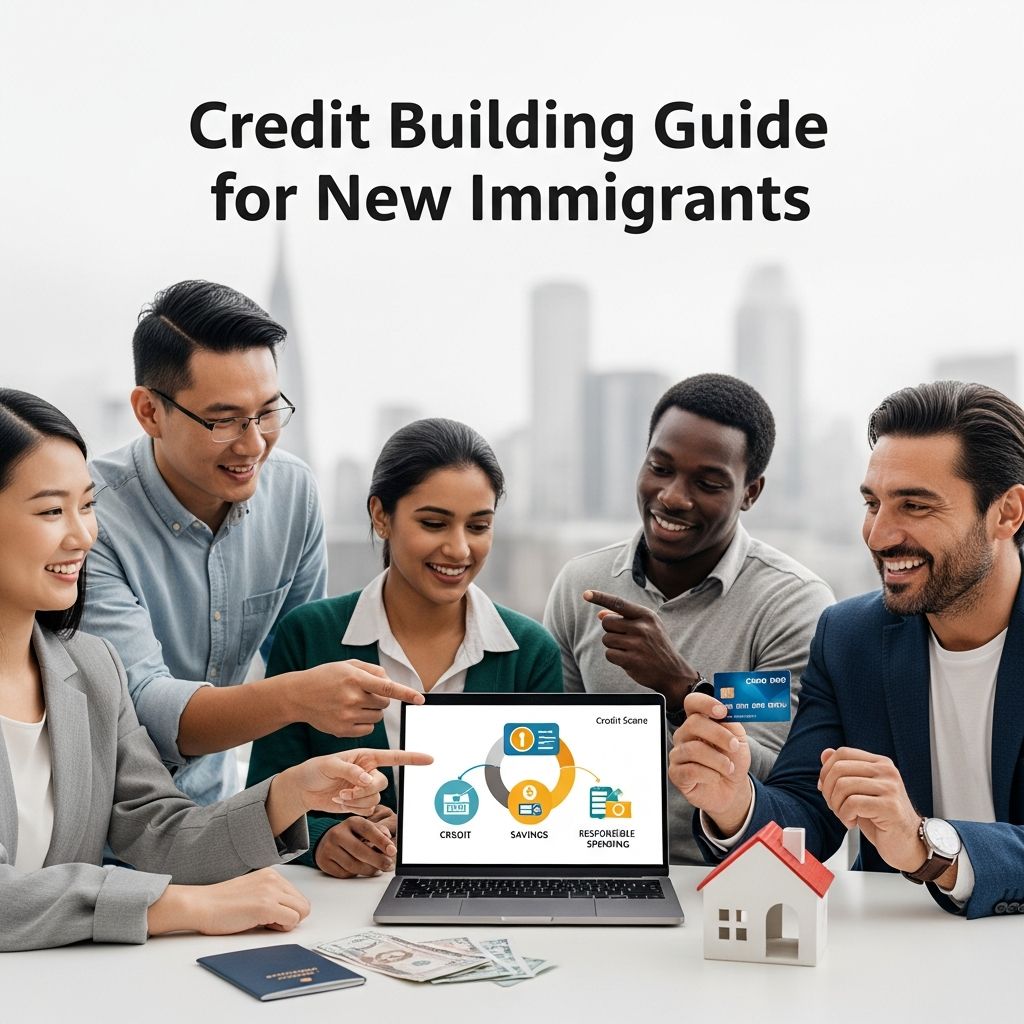
Arriving in the United States as an immigrant often means starting with a blank credit slate, which can limit access to housing, loans, and jobs. Building a strong credit profile requires strategic steps that demonstrate financial responsibility to U.S. credit bureaus. This guide outlines practical methods tailored for newcomers, emphasizing tools like secured cards and alternative loans to foster long-term financial independence.
Understanding the U.S. Credit System Basics
The U.S. credit system revolves around scores from agencies like Experian, Equifax, and TransUnion, primarily calculated using the FICO model. Key factors include payment history (35%), credit utilization (30%), length of credit history (15%), new credit (10%), and credit mix (10%). Immigrants without prior U.S. history start as ‘credit invisible,’ making initial approvals challenging but achievable with targeted actions.
Most lenders require a Social Security Number (SSN) or Individual Taxpayer Identification Number (ITIN) for reporting. Work-authorized immigrants can apply for an SSN via the Social Security Administration, while others use an ITIN from the IRS for tax and credit purposes. Establishing this identification is the foundational step before pursuing credit products.
Step 1: Secure Essential Identification and Banking
Begin by opening a U.S. bank account, which creates a financial footprint without credit checks. Many banks accept foreign IDs, passports, or ITINs. A checking or savings account in good standing builds trust with institutions, paving the way for advanced products.
- Visit banks like Chase or local credit unions that cater to immigrants.
- Maintain positive balances and avoid overdrafts to signal reliability.
- Use debit cards for routine purchases to track spending habits.
Once banked, apply for an SSN if eligible or ITIN otherwise. These enable credit reporting, essential for score generation after six months of activity.
Step 2: Leverage Secured Credit Cards
Secured credit cards are newcomer-friendly, requiring a refundable deposit (typically $200-$500) that sets your spending limit. Issuers like Discover and Capital One report usage to bureaus, helping build history without high risk.
| Card Feature | Benefits | Requirements |
|---|---|---|
| Deposit Amount | Equals credit limit | $200 minimum |
| Approval Odds | High for no-credit applicants | ITIN or SSN |
| Reporting | To all three bureaus | On-time payments key |
Use the card for small, recurring purchases like gas, paying in full monthly. Aim for under 30% utilization to boost scores rapidly. After 6-12 months, many issuers upgrade to unsecured cards, refunding deposits.
Step 3: Explore Credit-Builder Loans
Credit-builder loans invert traditional lending: funds are held in savings while you make fixed monthly payments ($25-$100), reported as positive history. Available from credit unions and fintechs like Self or Kikoff, these suit those without deposits for secured cards.
- Loan terms: 6-24 months, low interest.
- Outcome: Receive principal plus interest upon completion.
- Impact: Establishes payment history and mix diversity.
Choose lenders reporting to all bureaus for maximum effect. This method grows savings alongside credit, ideal for disciplined savers.
Step 4: Utilize Authorized User Status
Joining a trusted family member’s or friend’s credit card as an authorized user piggybacks their positive history onto your report. Issuers like American Express and Chase allow this, instantly lengthening your credit age and improving mix if the primary account is seasoned.
Discuss terms upfront: usage rights, payment responsibilities. Ensure the primary holder has low utilization (<10%) and perfect payments. Not all cards report authorized users to bureaus, so confirm with the issuer.
Step 5: Report Alternative Payments
Rent, utilities, and phone bills often go unreported but can build credit via services like Experian Boost or rental reporting platforms (e.g., RentTrack). These add positive tradelines from bank-linked payments.
- Eligibility: Most adults with U.S. bank accounts.
- Free options: Experian Boost scans checking for utilities.
- Paid services: Report up to 24 months of history retroactively.
Lending circles through nonprofits like Mission Asset Fund pool contributions, rotating payouts reported as loans, fostering community-based credit building.
Advanced Strategies for Faster Progress
Once basics are established (6+ months), diversify:
- Foreign Credit Import: Nova Credit lets eligible immigrants (from 10+ countries) use home-country history for U.S. cards like American Express.
- Co-Signers: For larger loans, a U.S. citizen/resident with strong credit co-signs, sharing liability.
- Bank Relationships: Loyal customers get pre-approvals for unsecured products.
Monitor progress via free weekly reports from AnnualCreditReport.com or apps like Credit Karma. Dispute errors promptly to maintain accuracy.
Best Practices for Credit Maintenance
Sustained success demands discipline:
- Pay every bill on time—set autopay.
- Keep utilization below 30%, ideally 10%.
- Avoid new applications (limits inquiries).
- Retain old accounts for history length.
Common pitfalls: Maxing cards, ignoring statements, or closing paid-off accounts prematurely. Patience yields results; average scores reach 700+ in 1-2 years with consistency.
Benefits of Strong Credit for Immigrants
A solid score (670+) unlocks apartments without deposits, auto loans at low rates (4-6% vs. 10%+), and jobs requiring background checks. It signals stability to employers and landlords, easing integration.
| Credit Score Range | Loan APR Example | Housing Access |
|---|---|---|
| 300-629 | 15-25% | Limited, high deposits |
| 630-689 | 8-12% | Moderate |
| 690-850 | 3-7% | Prime options |
Frequently Asked Questions
Can I build credit without an SSN?
Yes, use an ITIN; issuers like Zolve accept passports or visas for secured cards.
How long until I see a score?
Typically 3-6 months of activity across accounts.
Are secured cards safe?
Yes, deposits are refundable; treat as debit to avoid debt.
What if I have bad foreign credit?
U.S. bureaus don’t import negatives; start fresh.
Do prepaid cards build credit?
No, they lack reporting; opt for secured instead.
Overcoming Common Challenges
Language barriers? Use translation apps for applications. No co-signer? Stick to secured/self products. High fees? Compare APRs and choose no-annual-fee cards. Community resources like immigrant aid nonprofits offer free workshops.
By methodically applying these strategies, immigrants transition from invisible to creditworthy, securing brighter financial futures. Track milestones quarterly to stay motivated.
References
- Credit Building for Immigrants: A Step-by-Step Guide — Experian. 2023. https://www.experian.com/blogs/ask-experian/credit-building-for-immigrants/
- Building U.S. Credit for New Immigrants and Foreigners — Boundless. 2024. https://www.boundless.com/blog/immigrant-credit-card
- Credit-Building Guide for Immigrants with No Credit — CitizenPath. 2023. https://citizenpath.com/credit-building-immigrants-with-no-credit/
- Social Security Number Application — Social Security Administration (gov). 2025-10-01. https://www.ssa.gov/ssn/
- ITIN Application Guidelines — Internal Revenue Service (gov). 2025-11-15. https://www.irs.gov/individuals/individual-taxpayer-identification-number
- Mission Asset Fund Lending Circles — Mission Asset Fund. 2024. https://missionassetfund.org/
Similar Articles








Read full bio of medha deb