Why Your Credit Application Was Declined
Understanding why lenders can't process your application without a credit score.

Receiving a credit application decline can be frustrating, particularly when the reason provided states that your credit score cannot be calculated. This situation represents a unique challenge in the lending landscape—one that differs fundamentally from being declined due to a low credit score. Understanding what triggers this particular rejection and how to resolve it is essential for anyone seeking to build or rebuild their financial credibility.
The Foundation: What Credit Scores Represent
Before exploring why applications are declined due to uncalculable scores, it’s important to understand what credit scores actually measure. A credit score functions as a numerical prediction of your creditworthiness, ranging typically from 300 to 850. Credit scoring models analyze patterns in your credit reports compiled by major bureaus—Equifax, Experian, and TransUnion—to generate this three-digit number that lenders use to assess risk.
The two dominant scoring models, FICO and VantageScore, evaluate information across five primary categories: payment history (35% for FICO), amounts owed (30%), length of credit history (15%), credit mix (10%), and new credit inquiries (10%). However, these models can only function when sufficient data exists in your credit file. When that data is absent or severely limited, calculation becomes impossible.
Primary Reasons Your Credit Score Cannot Be Generated
Insufficient Credit File History
The most common reason a credit score cannot be calculated is the absence of adequate historical data. Individuals new to credit, those who have recently immigrated, or people who have lived credit-free for extended periods often lack the necessary information in their credit files. Credit scoring models require a minimum threshold of account activity and payment history to function properly. Without this baseline data, the algorithms cannot assign meaningful weights to the various factors that comprise a credit score.
No Active Credit Accounts
A credit file without any active accounts presents another calculation obstacle. Your credit mix—the variety of credit types you maintain, including revolving accounts like credit cards and installment accounts like auto loans and mortgages—comprises 10% of your FICO score. If you’ve never established any credit accounts or have allowed all accounts to close, the credit bureaus may have minimal information to analyze. This absence of demonstrated credit activity signals to scoring models that they lack sufficient data to make predictions about your repayment behavior.
Recently Closed Credit Accounts
Individuals who have paid off all debts and closed their accounts sometimes encounter this issue. While closing accounts might seem financially prudent, it can actually eliminate the credit history that supports score calculation. If you’re left with no open accounts and your older accounts have aged beyond relevance in the scoring model’s calculations, you may temporarily lack a calculable score.
Lack of Recent Account Activity
Credit bureaus continuously update files with new information from lenders and creditors. If your credit file contains very old information but nothing recent, scoring models may determine that available data is too outdated to produce a reliable prediction. The credit industry considers recent account activity more indicative of current financial behavior than ancient history.
Limited Reporting to Credit Bureaus
Not all financial relationships report to credit bureaus. Utility payments, rental history, and telecommunications bills typically do not appear on credit reports unless accounts become severely delinquent. If your only financial activities fall into non-reporting categories, credit bureaus may have no record of you despite your responsible financial conduct. From the perspective of credit scoring algorithms, you would be essentially invisible.
How Lenders Respond to Non-Calculable Scores
When a lender cannot calculate your credit score, they face a fundamental decision-making challenge. Most automated lending systems rely heavily on credit scores to make rapid approval or denial decisions. Without a score, the typical workflow breaks down.
Lenders in this situation generally have limited options. Some may decline applications outright, viewing the lack of a score as too risky to proceed. Others might route applications to manual underwriting departments where credit analysts review available information without relying on automated scoring. However, this manual process is expensive and time-consuming, so many lenders simply decline applications rather than invest resources in alternative evaluation methods.
Large financial institutions, particularly those offering credit cards and unsecured personal loans, almost always decline when scores cannot be calculated. Mortgage lenders and auto loan providers, dealing with larger amounts and longer repayment periods, are more likely to consider manual underwriting, though they still may decline based on other factors.
Distinguishing Between Score Rejection and Low Score Rejection
It’s crucial to understand the difference between these two scenarios. A low credit score represents negative information—late payments, high debt levels, collections, or bankruptcies that the scoring model successfully processed. A non-calculable score represents an absence of information. While both result in application decline, they require fundamentally different solutions.
With a low score, your primary strategy involves demonstrating improved creditworthiness through on-time payments, debt reduction, and time. The scoring model will recognize these improvements over subsequent months and years. With a non-calculable score, you first need to create the data foundation that allows models to function at all.
Strategic Steps to Establish a Calculable Credit Score
Obtain a Secured Credit Card
Secured credit cards represent the most direct path for building scorable credit. These cards require a cash deposit that serves as collateral and becomes your credit limit. By obtaining one and using it responsibly—making small purchases and paying the full balance monthly—you create the positive payment history and account activity that scoring models need. After 6-12 months of perfect payment history, many issuers convert secured cards to unsecured accounts and return your deposit.
Become an Authorized User
If someone with established credit is willing to add you as an authorized user on their credit card account, you may benefit from their payment history appearing on your credit file. This strategy works best when the primary account holder maintains excellent payment practices. The authorized user’s account activity can help generate your initial credit score, though the benefits typically diminish over time if you don’t build your own credit accounts.
Apply for a Credit-Building Loan
Some credit unions and online lenders offer credit-building loans specifically designed for individuals without credit history. These loans work counterintuitively—the lender deposits your loan proceeds into a savings account rather than releasing the funds to you immediately. You make monthly payments from your personal funds while the money sits in savings earning interest. Upon completion, you receive the full amount. The payment history from these loans reports to credit bureaus and helps establish your score.
Ensure Accounts Report to Credit Bureaus
Before opening any new credit account, verify that it reports to at least one major credit bureau. Some retailers and finance companies do not report to all three bureaus. While some report to all three, others report selectively. Prioritize accounts that report to multiple bureaus to build your credit file more quickly and comprehensively.
Request Account Reporting Additions
If you have financial relationships that don’t typically report to bureaus—rental payments, utility bills, insurance payments—investigate whether these companies participate in alternative reporting programs. Some services now facilitate inclusion of non-traditional payment history in credit files, though this remains an emerging practice.
Timeline Expectations for Score Generation
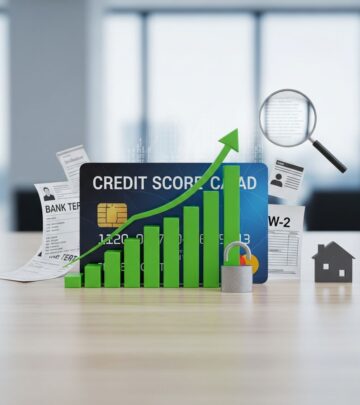
Understanding the timeline helps set realistic expectations. Most scoring models require at least six months of account history before generating a score, though some can calculate scores with less data under certain circumstances. After establishing a calculable score, it typically takes several additional months of positive activity to build it to levels that lenders find acceptable for favorable terms.
Patience proves essential during this phase. Each positive payment builds your foundation gradually. Monthly reporting cycles mean that improvements may not immediately appear in updated scores, as credit bureaus typically update information at least monthly.
Monitoring Your Progress
Access free credit reports annually through AnnualCreditReport.com (the federally mandated source) to monitor what information credit bureaus actually maintain about you. Check whether your new accounts are reporting correctly. If they aren’t, contact both the creditor and the credit bureau to ensure accounts are properly reflected.
Many lenders now offer free credit score access to their customers, and numerous free services provide credit monitoring. Watching these updates helps you understand when you’ve crossed the threshold into a calculable score and track improvements in that score over time.
Alternative Lending Options During Score Generation
While building a calculable credit score, explore alternative lending channels. Credit unions often provide more flexible underwriting than large banks and may consider factors beyond credit scores. Peer-to-peer lending platforms and community development financial institutions sometimes work with individuals building credit. These alternatives typically come at higher costs but provide access to credit during your transition period.
Avoiding Counterproductive Actions
Resist the temptation to apply for numerous credit accounts simultaneously. Multiple applications within short periods signal financial desperation to lenders and create hard inquiries that can temporarily impact any score you eventually develop. Space applications across several months, focus on secured or credit-building options first, and demonstrate restraint in credit seeking.
Similarly, avoid payday loans and other predatory lending products. While these might provide quick cash, they typically don’t report to credit bureaus and often carry terms that trap borrowers in debt cycles rather than building genuine creditworthiness.
Long-Term Credit Building Beyond Score Calculation
Once your score becomes calculable and begins improving, maintain the habits that got you there. Keep credit utilization below 30% of available limits. Make all payments on or before their due dates. Maintain a mix of credit types over time. Avoid closing old accounts in good standing. These practices support score growth and lender confidence in your creditworthiness.
References
- How is your credit score calculated? — Fidelity Learning Center. 2024. https://www.fidelity.com/learning-center/smart-money/how-is-credit-score-calculated
- How Is Your Credit Score Calculated? — Experian. 2024. https://www.experian.com/blogs/ask-experian/how-is-your-credit-score-determined/
- What’s in my FICO Scores? — myFICO. 2024. https://www.myfico.com/credit-education/whats-in-your-credit-score
- How is Your Credit Score Calculated? — Discover. 2024. https://www.discover.com/credit-cards/card-smarts/how-is-credit-score-calculated/
- How Is Credit Score Calculated? Key Factors Explained — CRIF Highmark. 2024. https://www.crifhighmark.com/blog/how-is-credit-score-calculated
- How Is Credit Score Calculated? — Hancock Whitney Bank. 2024. https://www.hancockwhitney.com/insights/how-is-credit-score-calculated
- What is a credit score? — Consumer Financial Protection Bureau. 2024. https://www.consumerfinance.gov/ask-cfpb/what-is-a-credit-score-en-315/
Similar Articles








Read full bio of medha deb