Credit Account Types and Their Impact on Your Score
Learn which credit accounts build your score and which ones don't.

Building and maintaining a strong credit score requires understanding the different types of credit accounts available and how each one affects your financial profile. Credit accounts are the foundation of your credit report, and the way you manage them directly influences lenders’ perceptions of your creditworthiness. Not all credit accounts contribute equally to building positive credit history—some actively help strengthen your credit score, while others may have minimal impact or even hurt your financial standing. This comprehensive guide explores the various credit account categories, explains how they function, and reveals which ones are most beneficial for establishing robust credit.
Understanding the Three Primary Credit Account Categories
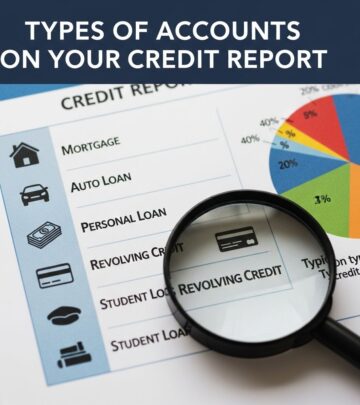
Credit accounts generally fall into three distinct categories, each serving different financial purposes and affecting your credit score in unique ways. Understanding these classifications is essential for making informed decisions about which accounts to open and how to manage them strategically.
Revolving Credit Accounts
Revolving credit represents a flexible form of borrowing that allows you to access funds repeatedly up to a predetermined credit limit. Unlike installment loans where you receive a lump sum, revolving accounts provide ongoing access to credit that replenishes as you make payments. The most recognizable form of revolving credit is the credit card, though several other account types fall into this category.
With revolving credit accounts, you have the flexibility to borrow any amount up to your credit limit, pay it down, and borrow again. This continuous availability of credit is what distinguishes revolving accounts from other credit types. You are required to make at least a minimum monthly payment, typically calculated as a percentage of your outstanding balance. For example, if your minimum payment requirement is three percent of your balance and you owe $1,000, your minimum payment would be $30.
Common examples of revolving credit include:
- Credit cards issued by banks, credit unions, and financial service companies
- Store-branded credit cards issued by retail establishments
- Personal lines of credit from financial institutions
- Home equity lines of credit (HELOCs)
Revolving credit accounts significantly impact your credit utilization ratio—the percentage of available credit you’re actively using. Maintaining a low credit utilization ratio, ideally below 30 percent of your total available credit, demonstrates responsible borrowing habits and positively influences your credit score.
Installment Credit Accounts
Installment credit involves borrowing a fixed amount of money that you repay through regular installment payments over a specified timeframe. When you obtain an installment loan, you receive the entire loan amount upfront and commit to repaying it with consistent monthly payments. Each payment typically includes both principal and interest, gradually reducing your outstanding balance until the loan is fully satisfied and the account closes.
The structured nature of installment credit makes it predictable for both borrowers and lenders. You know exactly how much you need to pay each month and approximately when your debt will be eliminated. This clarity and consistency make installment accounts particularly valuable for demonstrating your ability to manage long-term financial obligations responsibly.
Primary categories of installment credit include:
- Automobile loans for vehicle purchases
- Mortgage loans for real estate purchases
- Personal loans from banks or online lenders
- Student loans for educational expenses
- Credit-builder loans specifically designed to establish credit history
Credit-builder loans deserve special mention as they serve a distinct purpose in the credit-building ecosystem. These secured loans, typically ranging from $300 to $1,000, require you to deposit funds into a savings account that serves as collateral. You then repay the loan to yourself, and once repayment is complete, you gain access to the accumulated savings plus interest. This structure allows individuals with limited credit history or poor credit to establish positive payment patterns while simultaneously building a small savings buffer.
Open Credit Accounts
Open credit encompasses accounts requiring full payment of the balance each billing cycle, with no option to carry a balance forward. These accounts differ fundamentally from revolving credit because they demand complete settlement of the outstanding balance by the end of each billing period. This “pay in full” requirement means you cannot carry debt month to month like you can with a credit card.
Examples of open credit accounts include:
- Utility bills for electricity, water, gas, and other services
- Charge cards that function similarly to credit cards but require full monthly payment
- Subscription services for streaming platforms, internet, and cable
- Charge accounts offered by hotels, medical providers, and local businesses
While open credit accounts do appear on your credit report, they typically have a lesser impact on your credit score compared to revolving and installment accounts. Their primary value lies in demonstrating your ability to meet regular payment obligations and manage service-based debt responsibly.
How Different Account Types Influence Your Credit Score
Your credit score is calculated using multiple factors, and different credit account types contribute to various scoring components. Understanding these relationships helps you strategically build credit through diverse account management.
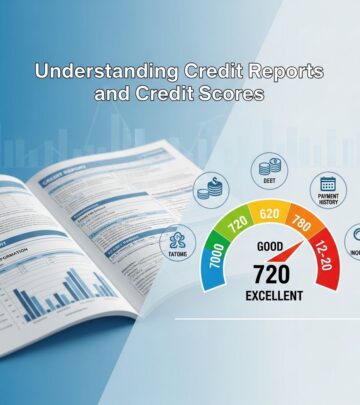
The credit score composition typically breaks down as follows:
- Payment History (35%): Your track record of making timely payments across all account types
- Credit Utilization (30%): The percentage of available revolving credit you’re currently using
- Length of Credit History (15%): The age of your oldest account and average age of all accounts
- Credit Mix (10%): The diversity of credit account types you maintain
- New Credit Inquiries (10%): Recent credit applications and hard inquiries
The credit mix component specifically rewards you for maintaining multiple credit account types. Lenders view borrowers who successfully manage diverse credit obligations as lower-risk candidates. If your credit profile includes both revolving credit (credit cards) and installment credit (loans), you demonstrate sophisticated financial management across different borrowing contexts.
Which Accounts Help Build Credit and Which Don’t
Not every financial account contributes positively to credit building. Understanding which accounts support your credit development and which ones remain invisible to credit bureaus helps you focus your efforts strategically.
Accounts That Actively Support Credit Building
Several account types directly contribute to establishing and strengthening your credit history:
Traditional Credit Cards: Standard credit cards from banks and credit unions actively report to credit bureaus and significantly influence your credit score. Regular use, timely payments, and maintaining low balances on these accounts demonstrates responsible credit management and builds positive credit history.
Retail Store Cards: Store-branded credit cards function similarly to traditional credit cards in terms of credit reporting. Many retail establishments have partnered with major payment networks to issue cards that report to all three major credit bureaus. Using these cards responsibly contributes to your credit mix and payment history.
Secured Credit Cards: These specialized cards require a cash deposit that serves as collateral, with credit limits typically matching the deposit amount. Despite their “secured” nature, these cards report to credit bureaus just like traditional cards. They provide an excellent pathway for individuals with limited credit history or previous credit challenges to establish positive payment patterns.
Personal Loans: Taking out a personal loan and repaying it consistently demonstrates your ability to manage installment debt responsibly. The regular monthly payments and eventual loan payoff create a strong positive credit history entry.
Mortgage Loans: Mortgage accounts significantly impact credit scoring due to their size and long-term nature. Successfully managing a mortgage demonstrates your ability to handle substantial financial obligations over extended periods.
Auto Loans: Vehicle financing establishes your capacity to manage major purchases and stick to long-term payment commitments. Auto loans contribute positively to both your credit mix and payment history.
Credit-Builder Loans: Specifically designed for credit development, these secured installment loans report to credit bureaus and help establish positive payment history. They’re particularly valuable for individuals beginning their credit journey.
Accounts That Provide Limited Credit-Building Impact
Several types of financial accounts may not significantly influence your credit score, even though they represent financial responsibility:
Utility Payments: While utility bills must be paid consistently, many utility companies don’t report payment information to credit bureaus unless accounts become delinquent. However, some specialized utility reporting programs now offer credit-building opportunities for reliable payers.
Rent Payments: Traditional rental payments typically don’t appear on your credit report unless your landlord reports to credit bureaus or rent payments go into collections. However, alternative reporting services now allow renters to build credit through their payment history.
Insurance Premiums: Insurance payments, whether for auto, health, or home coverage, don’t directly contribute to your credit score. Insurers view these as service payments rather than credit accounts.
Medical Bills: Medical debts typically don’t affect your credit score unless the accounts are sent to collection agencies. Even then, recent credit scoring model changes have reduced the impact of medical collections on credit calculations.
Cell Phone Plans: While cell phone bills represent regular payment obligations, most cellular providers don’t report on-time payments to credit bureaus. However, if your account goes to collections, it will negatively impact your credit.
Strategic Approaches to Optimizing Your Credit Account Portfolio
Building strong credit requires more than simply having accounts—it demands strategic management across your account portfolio.
Developing a Balanced Credit Mix
Financial experts recommend maintaining a diverse portfolio of credit account types rather than relying exclusively on one category. A balanced mix demonstrates to lenders that you can manage various financial obligations responsibly. Ideally, your credit profile should include both revolving credit (credit cards or lines of credit) and installment credit (loans or mortgages). This diversity signals financial maturity and reduces lender risk assessment concerns.
Managing Payment Responsibilities
Regardless of account type, consistent on-time payments remain the most critical factor in credit building. Payment history comprises 35 percent of your credit score, making it the single most influential component. Set up automatic payments, calendar reminders, or use banking apps to ensure you never miss payment deadlines. Even a single late payment can significantly damage your credit score.
Optimizing Credit Utilization
For revolving credit accounts, maintain utilization ratios below 30 percent of your total available credit. If you have three credit cards with $5,000 limits each (totaling $15,000), keep your combined balances below $4,500. This demonstrates that you can access credit responsibly without becoming overleveraged.
Monitoring Account Age and Activity
Your credit history length influences your score, so maintain older accounts even after paying them off. Closing established accounts can actually hurt your score by reducing your average account age. Keep older credit cards active by making occasional small purchases and paying them off completely.
Frequently Asked Questions About Credit Accounts
Can I build credit with just one type of account?
While you can technically build credit with a single account type, lenders prefer to see diverse credit management. A balanced portfolio including both revolving and installment credit typically results in higher credit scores. However, starting with one account type is reasonable if that’s your only option initially.
How long does it take to build credit with new accounts?
Credit building typically takes several months to demonstrate meaningful impact. Most credit bureaus require at least six months of account history before credit scores become available. However, consistently positive behavior over 1-2 years creates substantially stronger credit profiles.
Should I close old credit accounts after paying them off?
Generally, keeping old accounts open benefits your credit score. Closed accounts still contribute to your credit history length and available credit ratio calculations. Close accounts only if they carry annual fees or present temptation for overspending.
Do authorized user accounts help build credit?
Becoming an authorized user on someone else’s account may help build credit if the account holder maintains positive payment history and low utilization. However, this depends on the credit card issuer’s reporting practices.
What’s the difference between a secured and unsecured credit card?
Secured credit cards require a cash deposit serving as collateral, while unsecured cards don’t. Secured cards are easier to obtain for people building credit but may carry higher interest rates. Both types report to credit bureaus and help establish credit history.
Conclusion: Building Sustainable Credit Through Strategic Account Management
Your credit account portfolio directly shapes your financial future and borrowing capacity. By understanding which accounts contribute to credit building and strategically managing diverse account types, you position yourself for long-term financial success. Focus on maintaining timely payments across all accounts, keeping credit utilization low on revolving accounts, and building a balanced portfolio that demonstrates your ability to manage various financial obligations. Whether you’re just starting your credit journey or rebuilding after past challenges, leveraging the right account types with disciplined financial habits creates the strong credit foundation necessary for achieving major financial goals.
References
- The 3 Main Types of Credit Explained — Self Inc. Self Financial Inc. https://www.self.inc/blog/types-of-credit
- Which Accounts Appear on Your Credit Report? — Experian. Experian Information Solutions Inc. https://www.experian.com/blogs/ask-experian/which-accounts-appear-on-credit-report/
- Types of Credit Accounts and Their Impact on Credit Scores — Credit Karma. Intuit Inc. https://www.creditkarma.com/credit/i/how-types-credit-affect-score
- Credit Mix: How Different Credit Types Impact Your Score — Academy Bank. Academy Bancshares Inc. https://www.academybank.com/article/credit-mix-how-different-credit-types-impact-your-score
- An Overview of Credit-Building Products — Federal Reserve. Board of Governors of the Federal Reserve System, 2024-12-06. https://www.federalreserve.gov/econres/notes/feds-notes/an-overview-of-credit-building-products-20241206.html
Similar Articles








Read full bio of Sneha Tete