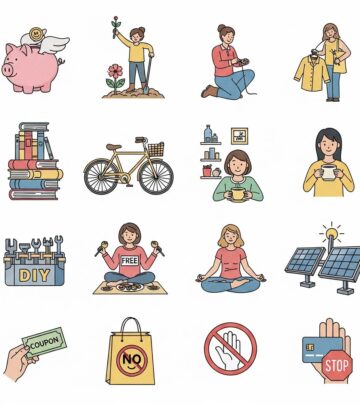
Creative Ways To Save More Money Right Now
Discover smart, creative strategies you can start using today to cut expenses, save more, and reach your financial goals faster.

Finding creative ways to save money can transform your finances without making you feel deprived. With a few intentional changes, you can free up cash to build your emergency fund, pay down debt, or work toward big goals like a vacation or a down payment.
This guide follows a similar structure to popular Clever Girl Finance content on saving and budgeting, and walks you through practical, realistic ideas you can start using right away.
Why Creative Saving Strategies Matter
Saving money is not just about cutting everything fun; it is about aligning your spending with what truly matters. Research shows that households that budget and plan their spending are more likely to meet financial goals and weather income shocks. When you get creative, you can reduce costs without feeling like you are constantly saying “no” to yourself.
Use the ideas below to design a plan that fits your lifestyle, personality, and money goals.
Start With Your Big Money Leaks
Before focusing on small wins, look for obvious leaks in your budget that quietly drain your bank account each month. These are usually recurring expenses or habits you no longer notice.
- Review your recurring bills (phone, Internet, insurance, streaming)
- Check auto-renew subscriptions you forgot about
- Audit eating out and delivery over the last 30–60 days
- Look at high-interest debt that grows if you only pay the minimum
Once you see where your money is going, you can decide what to keep, what to reduce, and what to cut completely.
Creative Ways To Save On Everyday Expenses
Daily habits often matter more than rare big purchases. These ideas help you trim recurring costs without feeling like your life is shrinking.
1. Creatively Cut Your Grocery Costs
Food is one of the largest variable expenses for many households, and it is also an area where smart planning can create big savings.
- Plan your meals for the week based on what is already in your pantry and freezer.
- Build a grocery list from your meal plan and commit to sticking to it.
- Shop your pantry first before buying new ingredients.
- Buy store brands when possible; studies often show they are nutritionally similar to name brands at lower cost.
- Reduce food waste by freezing leftovers and using ingredients in multiple meals.
Even a 10–15% reduction in your grocery spending adds up significantly over a year.
2. Negotiate Your Bills
Many people pay more than necessary for recurring services simply because they never ask for a better rate.
- Call your Internet and cable provider to ask about current promotions.
- Request a loyalty discount or ask if there is a cheaper plan tier.
- Shop around for auto and renters insurance at least once a year; comparison can reduce costs for many households.
- Review your cell phone plan and switch to a lower tier or a discount carrier if your usage is low.
Keep a script handy, write down your current rate, and politely but firmly ask for options to lower your monthly costs.
3. Cancel Subscriptions You Don’t Use
Streaming accounts, apps, fitness memberships, and online tools can pile up quietly. Many people underestimate the total cost of these small recurring charges.
- Scan your last 2–3 months of statements for any recurring charges.
- Cancel anything you have not used in the last month.
- Where possible, share family plans to reduce costs.
- Rotate subscriptions: keep one streaming service per month instead of several at once.
Even dropping two or three subscriptions can free up $30–$60 per month for saving or debt payoff.
4. Eat In More Often
Eating out and food delivery can cost multiples of what home-cooked meals cost. Surveys show that eating at restaurants is consistently one of the biggest discretionary expenses for households.
- Set a specific limit on restaurant spending each month.
- Plan a few “fakeaway” nights where you recreate favorite takeout meals at home.
- Prepare grab-and-go lunches on Sundays so you are not tempted by last-minute takeout.
You do not need to give up eating out entirely. Just shifting a few meals per week back home can produce noticeable savings.
5. Declutter And Sell Things You Don’t Use
Most people have unused items sitting in closets, garages, and storage spaces that could be turned into cash.
- Start with clothing, small appliances, and electronics.
- Use local resale platforms or consignment shops to sell gently used items.
- Host a yard sale for low-priced items that are expensive to ship.
- Commit all proceeds to a specific goal like your emergency fund or debt.
This not only brings in extra money but also helps you live more simply, which may reduce future impulse buying.
Smart Lifestyle Tweaks That Save Money
Beyond bills and groceries, thoughtful changes to your daily habits can unlock additional savings.
6. Do Your Own Hair And Nails (At Least Sometimes)
Personal care can be a significant recurring expense, especially if you visit salons frequently.
- Stretch out salon appointments by learning basic maintenance between visits.
- Invest in a few quality tools for at-home manicures or simple hairstyles.
- Use free online tutorials to learn simple styling or nail-care techniques.
You do not have to eliminate salon visits entirely; spacing them out and DIY-ing in between can cut annual costs dramatically.
7. Embrace Your Local Library
If you often buy books, audiobooks, or pay for media subscriptions, your local library can be a powerful money saver.
- Borrow books, audiobooks, movies, and magazines for free.
- Use digital library apps to access e-books without leaving home.
- Check for free classes and workshops (often on money, business, or technology).
Public libraries are widely recognized as cost-effective community resources that expand access to information and education.
8. Rethink Transportation
Transportation costs can be reduced with thoughtful planning.
- Combine errands to cut down on extra trips and fuel.
- Use public transit, biking, or walking when possible.
- Organize carpooling with coworkers or other parents.
In addition to saving money, reduced driving can lower emissions and support more sustainable habits.
9. Shop With Intention
Impulse purchases often derail even the best budgets. A few simple rules can help you spend more intentionally.
- Use a 48-hour rule for non-essential purchases: wait a couple of days before buying.
- Compare price per unit on groceries and household items to find true value.
- Track your cost per wear for clothing and shoes to avoid rarely used items.
- Unsubscribe from marketing emails that trigger impulse spending.
Use Savings Challenges To Stay Motivated
Savings challenges turn saving into a game, which can make it easier to build the habit and stay consistent. Research in behavioral economics suggests that small, structured commitments help people follow through on financial intentions.
10. The 52-Week Savings Challenge
This classic challenge helps you build savings slowly and steadily over a year.
- Week 1: Save $1; Week 2: Save $2; Week 3: Save $3, and so on.
- By week 52, you save $52 that week.
- If completed, you will have saved $1,378 over 12 months.
You can reverse the order (start with $52 and work down) if you prefer to save more early in the year.
11. The $5 (Or Spare Change) Challenge
This is a flexible challenge that works well if you use cash.
- Every time you receive a $5 bill, set it aside in a jar or envelope.
- Alternatively, collect all loose change from pockets, purses, and your car.
- Deposit the total at the end of each month toward a specific savings goal.
Even if you primarily use cards, you can adapt this challenge by transferring a small fixed amount whenever you make a discretionary purchase.
12. No-Spend Challenge
A no-spend challenge helps you reset your spending habits and become more mindful.
- Pick a period (weekend, week, or full month).
- Define your rules: you still pay essential bills and buy groceries, but say no to extras like clothes, takeout, or impulse purchases.
- Make a list of free activities you can do during the challenge.
Use this time to enjoy what you already own, finish projects, and reflect on what purchases actually add value to your life.
13. Meal Planning Challenge
Commit to cooking at home for a set period, such as 30 days.
- Plan breakfasts, lunches, and dinners each week.
- Batch cook certain meals and freeze portions.
- Track how much you save compared to your usual restaurant or takeout spending.
This challenge can significantly reduce food costs and improve nutrition at the same time.
14. Monthly Money Challenge
To keep saving interesting, pick a new challenge each month for a full year.
- Month 1: No-spend challenge.
- Month 2: Meal planning challenge.
- Month 3: $5 or spare-change challenge.
- Month 4: Declutter-and-sell challenge.
By rotating the type of challenge, you avoid boredom and tackle savings from multiple angles.
Build A Simple Budget That Works
All the creative savings tips in the world will feel random unless you plug them into a plan. A basic budget helps you see the impact of your changes and decide where your new savings should go.
| Step | Action | Why It Matters |
|---|---|---|
| 1. List income | Write down all after-tax income sources. | Shows what you truly have to work with. |
| 2. List essential expenses | Housing, utilities, food, transport, minimum debt payments. | Protects needs before wants. |
| 3. Add financial goals | Savings, extra debt payments, investing. | Ensures goals are treated like bills. |
| 4. Add discretionary spending | Dining out, shopping, entertainment. | Helps identify areas to cut or adjust. |
| 5. Adjust and track | Tweak categories monthly based on real spending. | Keeps your budget realistic and sustainable. |
Popular frameworks like the 50/30/20 rule (50% needs, 30% wants, 20% savings/debt payoff) can serve as a starting point, though you can adapt the percentages to your situation.
Pay Yourself First
One of the most effective ways to ensure you actually save is to treat savings like a non-negotiable bill.
- Set up an automatic transfer from your checking to savings on payday.
- Start with a modest amount if cash flow is tight and increase it over time.
- Use a separate savings account to avoid dipping into your funds for everyday spending.
Studies on default options show that automatic contributions substantially increase savings rates because they reduce reliance on willpower and decisions in the moment.
Prioritize An Emergency Fund
An emergency fund acts as your financial safety net when life throws unexpected expenses your way, such as car repairs or medical bills. Many experts recommend building a starter emergency fund of at least one month of basic expenses, then working toward three to six months as your situation allows.
- Start with a realistic target, like $500 or $1,000.
- Use your savings challenges and expense cuts to fund it.
- Keep it in an easily accessible savings account rather than a checking account you regularly spend from.
Stay Consistent And Track Your Progress
Saving money is a long-term process. Small actions, repeated consistently, create real change. To stay motivated:
- Track your total savings monthly.
- Celebrate milestones, like reaching each additional $500 saved.
- Review your budget and cut more as your goals change or your income grows.
Remember that your plan does not have to be perfect. What matters most is that you keep moving forward.
Frequently Asked Questions (FAQs)
Q: How can I start saving money if my budget is already tight?
A: Start by tracking every expense for 30 days to see where your money is truly going. Then focus on one or two categories—often groceries, eating out, or subscriptions—to reduce. Even saving $20–$50 per month is a meaningful start and can grow as you make more adjustments.
Q: How much should I keep in my emergency fund?
A: Many personal finance experts suggest building a starter emergency fund of at least one month of essential expenses, then increasing it toward three to six months as your financial situation improves. The right amount for you will depend on your income stability, family size, and fixed costs.
Q: Are savings challenges really effective?
A: Savings challenges work because they add structure, clear rules, and a sense of fun to saving. Behavioral research indicates that structured commitments and pre-defined rules make it easier to follow through on financial goals. If you choose a challenge that fits your personality and income, it can be a powerful motivator.
Q: Should I focus on paying off debt or saving money first?
A: A common approach is to build a small emergency fund first to avoid taking on more debt when unexpected expenses arise, then focus aggressively on high-interest debt while still saving a modest amount. The exact balance depends on your interest rates, risk tolerance, and income stability.
Q: How do I stay motivated to save over the long term?
A: Connect your saving habits to specific goals (like travel, a home, or financial independence), track progress visually, and use short-term challenges to keep things interesting. Reviewing your progress monthly and celebrating milestones can make the journey feel rewarding instead of restrictive.
References
- Consumer Financial Protection Bureau: Start Small, Save Up — Consumer Financial Protection Bureau. 2022-03-01. https://www.consumerfinance.gov/consumer-tools/start-small-save-up/
- USDA Food Plans: Cost of Food at Home — U.S. Department of Agriculture. 2024-01-01. https://www.fns.usda.gov/cnpp/usda-food-plans-cost-food-reports
- How to save money on car insurance — National Association of Insurance Commissioners. 2023-02-10. https://content.naic.org/article/consumer-insight-how-save-money-car-insurance.htm
- Consumer Expenditure Survey — U.S. Bureau of Labor Statistics. 2023-09-08. https://www.bls.gov/cex/
- Public Libraries: A Vital Space for Learning — Institute of Museum and Library Services. 2022-07-15. https://www.imls.gov/issues/national-initiatives/public-libraries
- Transportation and Economic Development — U.S. Department of Transportation. 2023-04-20. https://www.transportation.gov/mission/economic-competitiveness
- Save More Tomorrow: Using Behavioral Economics to Increase Employee Saving — Richard H. Thaler & Shlomo Benartzi, Journal of Political Economy. 2004-02-01. https://www.jstor.org/stable/10.1086/380085
Similar Articles








Read full bio of Sneha Tete