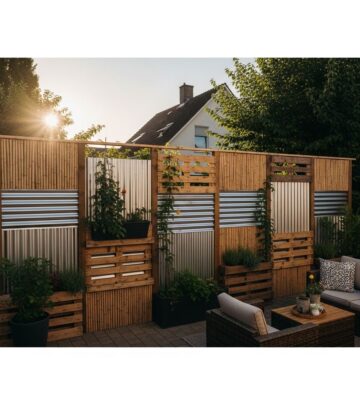
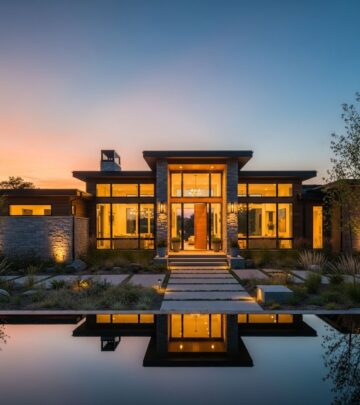
Creating Your Dream Outdoor Living Space
Transform your backyard into a functional, beautiful extension of your home
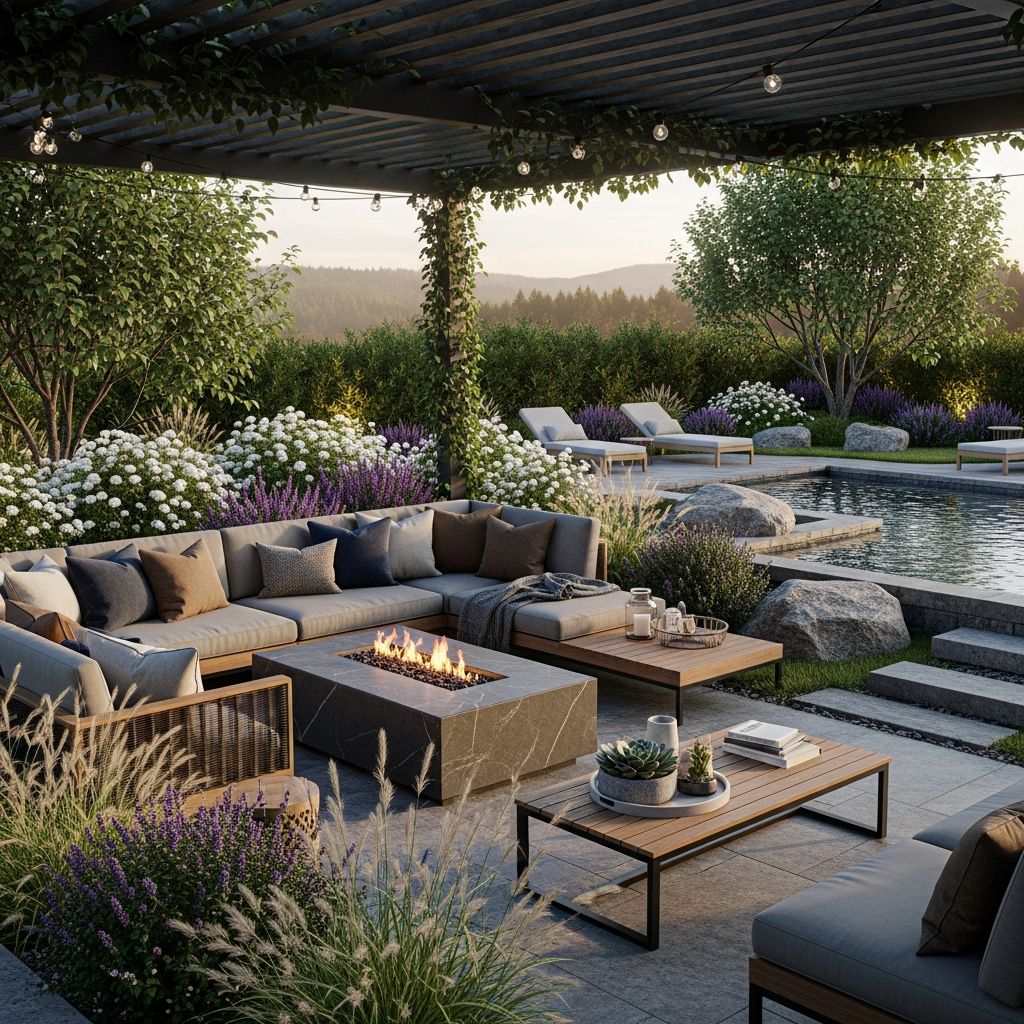
Your backyard represents an extension of your home—a personal sanctuary where memories are created and relaxation takes priority. Whether you envision weekend entertaining, peaceful solitude, or family gatherings, designing an ultimate outdoor space requires thoughtful planning, an understanding of current design principles, and a clear vision of how you want to use the area. Today’s homeowners are moving beyond traditional patio designs to create multifunctional, year-round outdoor environments that reflect their lifestyles and values.
Understanding the Modern Backyard Philosophy
The approach to backyard design has shifted dramatically in recent years. Rather than treating outdoor spaces as seasonal additions, contemporary homeowners now view them as integral parts of their living environments. This perspective has sparked a movement toward creating seamless transitions between indoor and outdoor areas, ensuring that your backyard functions with the same intentionality and comfort as your interior spaces.
The emphasis has moved away from high-maintenance landscaping featuring perfect symmetry and immaculate presentations. Instead, modern design celebrates natural imperfections, sustainable practices, and spaces that evolve with the seasons and the people who inhabit them. This shift reflects a broader cultural change toward authenticity and a desire for outdoor spaces that feel grounded and organic rather than overly manicured.
Embracing Structural Innovation: Beyond Traditional Patios
One of the most significant advances in outdoor living involves adaptable structural elements.
Bioclimatic pergolas
have emerged as a defining trend in 2026, offering homeowners unprecedented flexibility in managing light, shade, and weather. These systems feature motorized louvers that adjust with the touch of a button, transforming your outdoor space throughout the day without requiring manual intervention.**Modular outdoor structures** represent another innovation reshaping backyard design. Unlike fixed installations, these contemporary gazebos and pergolas include interchangeable panels and sliding canopies that allow you to shift between open-air configurations and sheltered privacy instantly. This flexibility proves invaluable for homeowners who want versatility—the ability to host a sunny brunch one day and provide shade for afternoon relaxation the next.
For those seeking advanced comfort features, modern outdoor structures now integrate:
- Discreet integrated lighting systems that create ambiance without visual clutter
- Drop-down screens for weather protection and privacy
- Heaters that extend outdoor usability into cooler months
- Smart sensors that automate adjustments based on environmental conditions
Designing Multi-Functional Zones
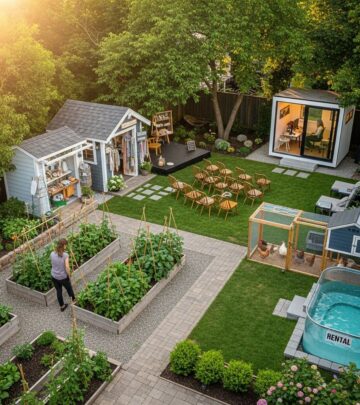
Gone are the days of single-purpose backyards. The modern approach divides outdoor spaces into distinct zones, each serving a specific function while maintaining visual harmony. This strategic segmentation makes every square foot purposeful and allows different family members to enjoy the space simultaneously without interference.
Consider these complementary zones when planning your backyard:
| Zone Type | Primary Function | Key Elements |
|---|---|---|
| Dining Area | Entertaining and meals | Table, seating, overhead structure for shade |
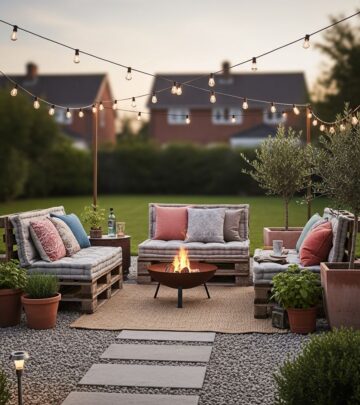
| Relaxation Corner | Quiet retreat and reading | Comfortable seating, fire feature, soft lighting |
| Activity Space | Recreation and play | Open area under pergola or gazebo |
| Container Garden Area | Growing plants and flowers | Planters of varying sizes, seating nearby |
This zoning approach encourages intentional design and ensures that your backyard accommodates multiple activities without feeling crowded or disorganized. Modular furniture and storage solutions help maintain visual clarity while keeping the space functional.
Selecting Materials That Ground Your Space
Material selection significantly impacts both the aesthetic and functionality of your outdoor environment. Natural materials dominate contemporary backyard design, creating spaces that feel connected to the landscape rather than imposed upon it.
The most effective material choices include:
- Wood – Adds warmth and organic character; works beautifully in pergolas and deck construction
- Stone and Concrete – Provide durability and clean lines; ideal for pathways and structural elements
- Gravel – Adds texture while maintaining a minimalist aesthetic; practical for ground surfaces
- Natural Fiber Elements – Wicker and rattan integrate biophilic design principles
When selecting materials, prioritize authenticity and durability. Lightweight alternatives that mimic stone or concrete without the weight burden offer practical advantages for renters or those with weight restrictions on decks or patios.
Incorporating Plantings That Create Movement and Interest
Strategic plant selection transforms a basic outdoor structure into a living, breathing environment. Rather than traditional foundation plantings that obscure architecture, modern design employs
layered, mixed plantings
that frame the home while allowing architectural details to remain visible.Contemporary plant combinations typically feature:
- Ornamental grasses for movement and texture
- Perennials that provide seasonal color and structure
- Smaller shrubs integrated throughout rather than in linear formations
- Climbing vines like jasmine or mandevilla for vertical interest and fragrance
- Ferns and broad-leafed evergreens for layering and sophistication
Container gardening has become increasingly popular, particularly for patios and decks. This approach offers flexibility—you can rotate plants seasonally, adjust positions based on light conditions, and create complete gardens in limited spaces. Award-winning horticulturists note that virtually any shrub or perennial can thrive in containers, opening possibilities for elevated outdoor designs even on modest properties.
For those in arid climates,
desert modernism
offers an excellent framework. This design philosophy embraces drought-tolerant natives and xeriscaping principles while maintaining minimalist hardscaping with clean lines. The aesthetic dissolves boundaries between interior and exterior living while respecting regional water constraints.Creating Ambiance Through Lighting and Color
Thoughtful lighting extends your backyard’s usability into evening hours while establishing mood and safety. Integrated lighting systems built into modern pergolas and gazebos provide options for creating different atmospheres—bright illumination for entertaining, subtle accent lighting for relaxation.
Color palettes have shifted toward earth tones and muted hues that mirror nature’s calmness. Rather than bright artificial colors, contemporary design celebrates:
- Soft greens that evoke natural landscapes
- Terracotta and warm browns
- Soft charcoal for grounding and contrast
- Faded petal tones for subtle flower interest
These palettes work harmoniously with natural materials and create spaces that feel tranquil rather than visually stimulating. Biophilic design principles—bringing nature into everyday spaces—guide contemporary color and texture decisions.
Year-Round Usability and Seasonal Comfort
Modern backyard design embraces all seasons rather than abandoning outdoor spaces during cooler months. Integrated heating systems, drop-down screens, and strategic shelter options allow you to enjoy your backyard throughout the year.
Consider these seasonal adaptations:
- Spring – Celebrate new plantings with soft lighting and fresh colors
- Summer – Maximize shade with motorized louvers and cool seating areas
- Autumn – Incorporate warming elements like fire pits and ambient lighting
- Winter – Use heaters and enclosed structures to maintain outdoor comfort
This approach transforms outdoor living from a summer luxury into a year-round lifestyle component.
Balancing Complexity and Simplicity
While modern backyards incorporate sophisticated technology and thoughtful design, the overarching trend emphasizes
cozy minimalism
. This apparent contradiction reflects a desire for premium quality and functionality without unnecessary complexity.The principle involves selecting fewer, better elements rather than crowding spaces with decorative options. A single standout structure—perhaps a beautifully crafted wooden gazebo—anchored by premium seating, minimal fire features, and soft lighting creates sophistication without clutter. This approach maintains easy upkeep while delivering visual impact and comfort.
Addressing Small Spaces Strategically
Not all homeowners have expansive backyards. As homes are constructed closer together and renovation trends favor more compact outdoor spaces, designers have adapted principles to maximize limited square footage.
Small-space strategies include:
- Choosing eye-catching plants suited to tight spaces
- Using vertical gardening and climbing vines
- Creating intentional empty space rather than filling every corner
- Focusing on quality over quantity in structural elements
- Employing container gardening for flexibility
Small backyards designed with intention and calm can feel more peaceful than larger, overcrowded spaces.
Front Yard Considerations
The ultimate outdoor space extends beyond the backyard. Front yards are evolving toward designs that feel intentional and connected to surrounding architecture and nature. Rather than overgrown foundation plantings that obscure homes, contemporary front designs feature:
- Layered, mixed plantings that frame rather than hide architecture
- Expanded beds extending beyond the foundation to anchor the home to the lot
- Softer, more naturalistic arrangements replacing rigid linear shrub formations
- Statement planters in earthy materials rather than matching glossy sets
These front-yard improvements enhance curb appeal while creating a seamless visual transition from street to home.
Frequently Asked Questions
What is the most important trend in backyard design for 2026?
The emphasis on creating calm, intentional spaces that serve multiple functions while incorporating natural materials and biophilic design principles defines 2026 backyard philosophy. Rather than high-maintenance perfection, the trend celebrates authenticity and seasonal evolution.
Can I update my backyard without major construction?
Absolutely. Container gardening, modular furniture, and strategic lighting adjustments can significantly enhance existing spaces. Starting with zones and gradually introducing new elements allows for phased improvements.
Are bioclimatic pergolas worth the investment?
For those seeking year-round usability and automated comfort control, bioclimatic systems justify the investment. The motorized louvers, integrated lighting, and seasonal flexibility extend outdoor enjoyment significantly.
How do I design for a small backyard?
Prioritize intentional empty space, choose multifunctional zones, utilize container gardening, and select one or two focal structures rather than multiple elements. Quality and purpose matter more than quantity.
What materials last longest in outdoor settings?
Stone, concrete, quality wood, and metal-based structures prove most durable. Lightweight alternatives that mimic natural materials offer practical advantages while maintaining aesthetic appeal.
Conclusion: Your Backyard as Personal Expression
Building your ultimate backyard represents an investment in lifestyle and well-being. By embracing modern design principles—intentional zoning, natural materials, biophilic elements, and technological comfort features—you create outdoor spaces that evolve with your needs while remaining beautiful and functional year-round. Whether working with expansive acreage or compact urban space, the principles of thoughtful design, quality materials, and purposeful planning transform any backyard into a cherished extension of home.
References
- Garden Designers Say These 7 Front Yard Features Will Date Your Home in 2026 — Homes and Gardens. 2026. https://www.homesandgardens.com/gardens/front-yard-features-that-will-date-your-home-in-2026
- Outdoor Living Space Design Trends 2026 — BPI Outdoor Living. 2026. https://bpioutdoorliving.com/blog/outdoor-living-design-ideas/outdoor-living-space-design-trends/
- These 5 Garden Trends Will Be Everywhere in 2026 — Gardening Know How. 2026. https://www.gardeningknowhow.com/garden-how-to/design/garden-trends-for-2026
- Future-Proof Your Backyard: 2026 Outdoor Living Trends You’ll Love — SunJoy Shop. 2026. https://sunjoyshop.ca/blogs/news/future-proof-your-backyard-2026-outdoor-living-trends-you-ll-love
- Small Backyard Garden Trends 2026: Minimal Space — Garden Dreams. January 2, 2026. https://www.youtube.com/watch?v=QxYb7hyYc-8
- 10 Expert-Backed Garden Trends for 2026 — Country Living Magazine. 2026. https://www.countryliving.com/gardening/garden-ideas/a70160525/garden-trends-2026/
- Five Landscape Design Trends for 2026 — Landscape Professionals. 2026. https://blog.landscapeprofessionals.org/five-landscape-design-trends-for-2026/
Similar Articles








Read full bio of Sneha Tete