Create a Stylish Simple Wardrobe on a Budget
Learn how to build a stylish, simple wardrobe on a budget using what you own, smart shopping, and intentional style choices.
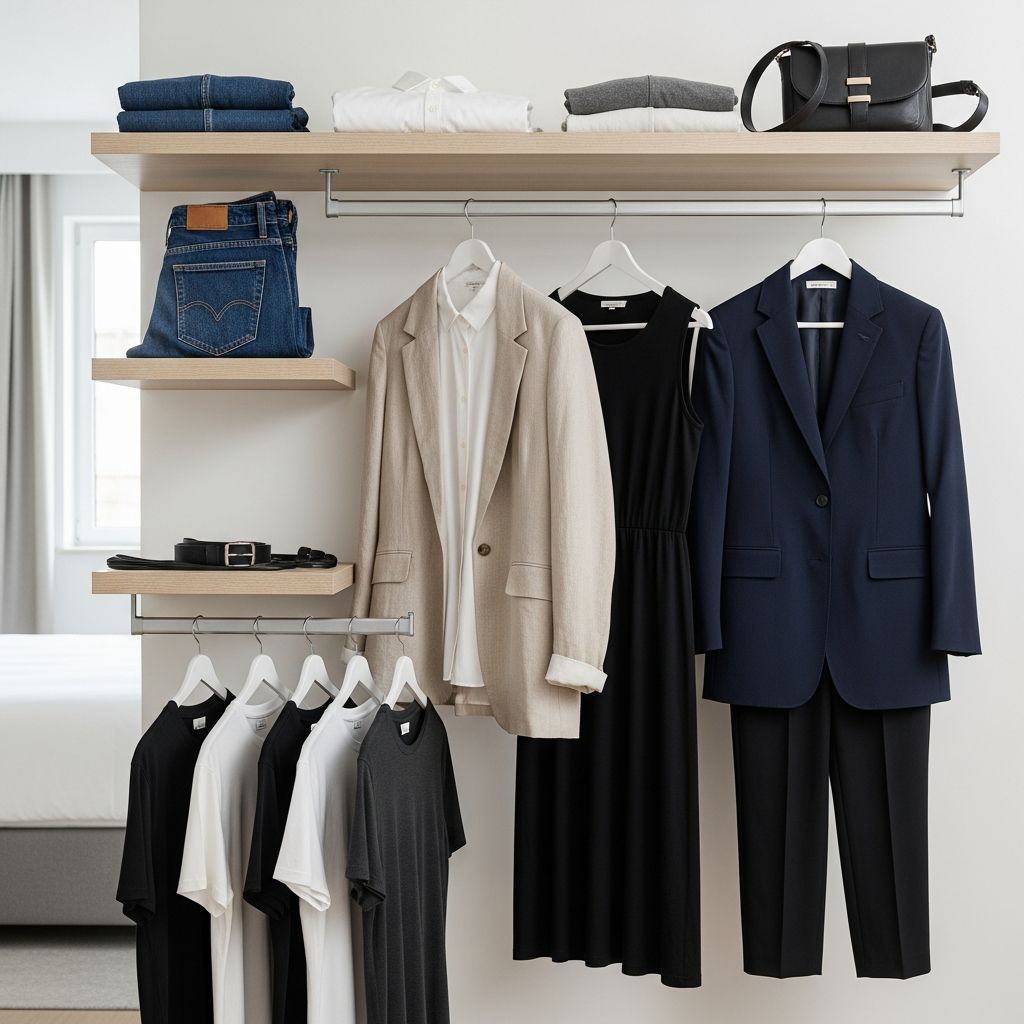
Building a wardrobe you love does not require maxing out your credit card or chasing every new trend. A simple wardrobe on a budget is about clarity, intention, and making the most of what you already own. Done well, it saves money, saves time in the morning, and reduces stress around what to wear.
This guide walks you through how to create a simple, stylish wardrobe step-by-step: starting with the clothes you already have, understanding your personal style, setting rules for your closet, and learning to shop smart with a tight budget.
Why a Simple Wardrobe on a Budget Makes Sense
A simple wardrobe is not the same as a boring wardrobe. It focuses on versatile, well-chosen pieces you truly enjoy wearing instead of a crowded closet full of random purchases. Financially, this approach supports your bigger money goals by keeping clothing spending intentional instead of impulsive.
- Saves money: Buying fewer, better-chosen items reduces wasteful spending and leaves more room in your budget for debt payoff, savings, and investing.
- Saves time: Fewer, coordinated pieces mean faster decisions and less “I have nothing to wear” frustration in the morning.
- Reduces stress: Cluttered spaces are associated with higher stress levels, while more minimal environments support better focus and wellbeing.
- Improves cost-per-wear: When you wear items frequently, each use becomes cheaper over time compared to occasional, one-off outfits.
Most importantly, a simple wardrobe can be built without a big shopping trip. You will start by working with what you already own.
How to Create a Simple Wardrobe on a Budget
Instead of dumping your entire closet onto the floor, you will follow a structured process. This reduces overwhelm and keeps you focused on building a wardrobe that fits your real life and real budget.
1. Start with What You Love
Begin by identifying the pieces that already make you feel confident and comfortable. These items are your informal style uniform.
Ask yourself:
- What outfits do I reach for over and over?
- Which clothes make me feel most like myself?
- What do I wear on a typical weekday without thinking too hard?
Common examples of style uniforms include:
- Jeans, a fitted tee, and sneakers.
- Pencil skirt, blouse, and blazer for work.
- Midi dress and ankle boots with a cardigan.
- Trousers, simple top, and flats.
Pull these favorite pieces out of your closet and examine them as a group. Look for patterns in:
- Colors: Do you gravitate toward neutrals, jewel tones, pastels, or bold prints?
- Fabrics: Do you prefer cotton, linen, structured blends, or soft knits?
- Silhouettes: Do you like tailored fits, flowy shapes, or relaxed basics?
This small collection of favorite items becomes the starting point for your simple wardrobe. Everything you keep or buy later should work well with this core set.
2. Trim Your Closet with Intention
Once you know what you love, move through the rest of your closet with intention. You don’t have to declutter everything in one day. Instead, create clear categories.
- Keep: Items you wear regularly and feel good in.
- Maybe: Pieces you are unsure about but want to test for a few weeks.
- Donate or sell: Items that no longer fit, are uncomfortable, or do not match your style uniform.
- Repair or tailor: Good-quality pieces that need small fixes or adjustments.
Place the “maybe” items in a visible but separate section. If you do not reach for them over the next month or two, that is a strong sign they can go.
3. Understand Your Style and Lifestyle
After trimming your closet, live with your simplified wardrobe for a short period. This is your chance to test how well it works in your real life.
Reflect on questions such as:
- Do I have enough outfits for work, weekends, and special occasions?
- Are my clothes practical for my daily activities (commuting, childcare, office work, etc.)?
- Which gaps do I notice most (e.g., no comfortable flats, not enough tops for layering)?
Be honest about your actual lifestyle, not your fantasy life. If you work from home most days, your wardrobe should reflect that. Research on consumer spending shows that a significant portion of clothing purchases go unworn or underused, often because they are not aligned with daily life.
Make brief notes about:
- Your top 3 favorite outfits and why they work.
- Situations where you felt like you had “nothing to wear.”
- Pieces you wished you had but did not.
These notes will guide your later shopping list and help you avoid random purchases.
4. Create Rules for Your Simple Wardrobe
Next, create a few personal rules for what is allowed into your closet going forward. Clear rules protect both your budget and your style consistency.
Example wardrobe rules:
- Fabric rules: No dry-clean-only items; choose mostly machine-washable fabrics to save on maintenance costs.
- Comfort rules: No shoes that hurt after 30 minutes, no itchy sweaters, no too-tight waistbands.
- Color rules: Stick to a base palette (e.g., black, navy, white, camel) with 2–3 accent colors you love.
- Quantity rules: Only buy a new piece when something is worn out or a real gap exists.
- Quality rules: Prioritize durable, well-made basics over trendy items.
These rules will make it easier to say no in the fitting room or online cart. They also help you resist impulse buys just because something is on sale.
5. Borrow Instead of Buying for Special Occasions
Many closets are overflowing with rarely worn “just in case” pieces: cocktail dresses, formal outfits, or statement items bought for one event. From a cost-per-wear perspective, this is usually poor value.
To stay on budget, consider:
- Borrowing special-occasion outfits from friends or family.
- Using clothing rental services for weddings, galas, or formal parties.
- Checking local boutiques or bridal shops that rent formalwear.
This approach allows you to enjoy beautiful, unique outfits when needed without filling your permanent wardrobe—or your credit card bill—with one-time pieces.
6. Choose Versatile Items that Mix and Match
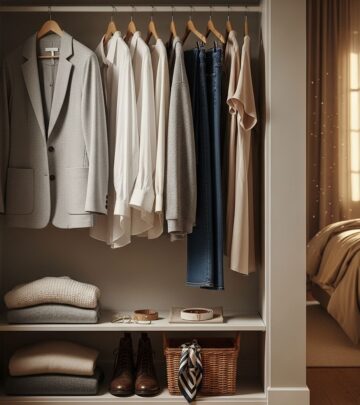
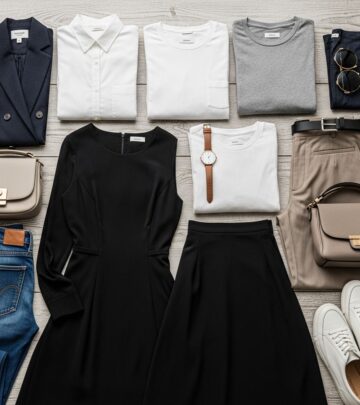
The secret to a simple wardrobe is versatility. Each piece should pair well with several others, giving you more outfits with fewer items.
Look for pieces that are:
- Simple in design: Clean lines and minimal embellishment are easier to mix.
- Comfortable: If it isn’t comfortable, you will not wear it often.
- Flattering: Fits your body shape and makes you feel confident.
- Neutral or complementary in color: So they match multiple items.
| Wardrobe Category | Versatile Examples | Budget-Friendly Tips |
|---|---|---|
| Tops | Plain tees, button-down shirts, lightweight sweaters | Buy in neutral colors; look for cotton or blends you can wash at home. |
| Bottoms | Dark jeans, black trousers, simple skirts | Choose classic cuts that won’t go out of style quickly. |
| Layers | Blazer, cardigan, denim jacket | Pick 1–2 that work with most of your tops and dresses. |
| Dresses | Solid-colored midi dress, shirt dress | Dress up with heels and jewelry or dress down with sneakers. |
| Shoes | Neutral flats, ankle boots, simple sneakers | Invest in comfort; shoes you can walk in will be worn more. |
When planning new purchases, write a short list before you shop. For each item, note:
- Why you need it.
- Which specific pieces in your closet it will pair with.
- Your maximum budget for that item.
If you cannot identify at least three existing pieces it will match, consider skipping it.
7. Consider Buying Pre-Owned
Buying pre-owned clothing is one of the most effective ways to build a stylish wardrobe on a small budget. Thrift stores, consignment shops, and online resale platforms often carry high-quality brands at a fraction of their original price.
Benefits of buying pre-owned:
- Lower cost: You can often find premium fabrics and brands much cheaper than retail.
- Better quality: High-quality items resold at discount can outlast cheaper new fast-fashion items.
- Environmental impact: Extending the life of clothing reduces textile waste and resource use.
Tips for successful second-hand shopping:
- Go with a list and your wardrobe rules in mind.
- Check for wear and tear, missing buttons, or broken zippers.
- Try everything on or know the brand’s sizing well.
- Look for natural or durable fabrics that hold up over time.
If you are hesitant about second-hand clothing, focus first on items that are often donated unworn, such as pieces with tags still attached or dress shoes worn only once.
How a Simple Wardrobe Supports Your Budget
Clothing is a regular expense in most household budgets, and it can easily grow without notice. Surveys in the United States suggest that consumers spend hundreds of dollars per year on clothing, with many purchases driven by impulse or emotional triggers rather than need.
A simple wardrobe helps you:
- Set a clear monthly or quarterly clothing budget that fits within your overall financial plan.
- Shift spending towards fewer, higher-quality pieces instead of frequent small purchases.
- Delay purchases and consider cost-per-wear before buying.
- Avoid debt for non-essential fashion purchases.
A good rule of thumb is to decide in advance how much of your income will go to discretionary categories like clothing after saving and major bills. Research on household budgeting suggests that when people make specific spending plans, they are more likely to stick to long-term financial goals.
Sample Simple Wardrobe Breakdown
Your ideal numbers will depend on your lifestyle, climate, and work dress code, but a simple wardrobe might roughly look like this:
- 8–10 tops
- 4–6 bottoms
- 2–4 dresses or jumpsuits (optional)
- 3–5 layering pieces (cardigans, jackets, blazers)
- 3–5 pairs of shoes (mix of casual, work, and dressy)
- Versatile accessories (belts, jewelry, scarves)
Use these numbers as a guideline, not a strict rule. The goal is to own what you actually wear and love, not to hit a particular count.
Build a Simple Wardrobe That Works for You
At its core, a simple wardrobe is about alignment: aligning your clothes with your lifestyle, your personal style, and your financial goals. When you can open your closet and know that almost everything fits, feels good, and coordinates easily, getting dressed becomes faster and more enjoyable.
As you refine your wardrobe:
- Revisit your rules and adjust as needed.
- Regularly edit out items that no longer fit or suit you.
- Plan purchases ahead instead of shopping reactively.
- Protect your budget by avoiding fashion-related debt.
Over time, this approach can free up money for savings, debt payoff, or other financial priorities, while still allowing you to feel polished and confident every day.
Frequently Asked Questions (FAQs)
Q: Is a simple wardrobe the same as a capsule wardrobe?
A: They are related but not identical. A capsule wardrobe is a smaller, tightly curated selection of items designed to mix and match in many ways, often with a target number of pieces. A simple wardrobe focuses on reducing clutter and making your closet functional and budget-friendly, even if you do not follow a strict piece count.
Q: How much should I budget for clothing when building a simple wardrobe?
A: There is no universal amount, but many experts recommend deciding on a clothing budget only after you have allocated money for essentials (housing, food, utilities, insurance) and savings goals. Review your past spending, set a realistic monthly or quarterly limit, and plan your wardrobe purchases within that number.
Q: Can I still wear trends with a simple wardrobe?
A: Yes, but trends should be the accent, not the foundation. Build your wardrobe around versatile basics and add a few trendier accessories or one statement piece at a time. This keeps your style current without overwhelming your budget or cluttering your closet.
Q: What if my job requires different dress codes (e.g., office and casual)?
A: Focus on items that can work in multiple settings. For example, a simple dress can be worn with a blazer and heels for the office and with flats or sneakers on weekends. When you shop, ask how many contexts each item can reasonably fit. That increases cost-per-wear and keeps your wardrobe smaller.
Q: How often should I review or declutter my wardrobe?
A: A seasonal review (about every 3–4 months) works well for many people. At each review, remove anything worn out, uncomfortable, or unworn for an extended period. Then reassess your gaps and update your shopping list if needed.
References
- Consumer Expenditure Surveys — U.S. Bureau of Labor Statistics. 2024-09-10. https://www.bls.gov/cex/
- How to Build a Capsule Wardrobe — Clever Girl Finance. n.d. https://www.clevergirlfinance.com/how-to-build-a-capsule-wardrobe/
- No Place Like Home: Home Tours Correlate With Daily Patterns of Mood and Cortisol — Darby E. Saxbe & Rena Repetti, Personality and Social Psychology Bulletin. 2010-01-01. https://doi.org/10.1177/0146167209352864
- Consumer’s Guide to Professional Drycleaning — U.S. Federal Trade Commission. 2014-10-01. https://www.consumer.ftc.gov/articles/consumer-guide-professional-drycleaning
- 2019 Market Sizing & Industry Statistics — American Rental Association (special event rental data). 2019-12-01. https://www.ararental.org/Rental-Industry/Research
- Putting Clothes to Work: The Role of Second-hand Clothing in Sustainable Fashion — Ellen MacArthur Foundation. 2021-06-01. https://emf.thirdlight.com/link/e2k0h1q7n7k0-gm42se/@/preview/1?o
- Economic Well-Being of U.S. Households in 2023 — Board of Governors of the Federal Reserve System. 2024-05-21. https://www.federalreserve.gov/publications/2024-economic-well-being-of-us-households-in-2023-budgeting.htm
Similar Articles








Read full bio of Sneha Tete