Crafting Unbreakable Passwords In 2026: Expert Guide
Master the art of password creation with proven strategies that prioritize length, uniqueness, and advanced protections for ultimate digital safety.
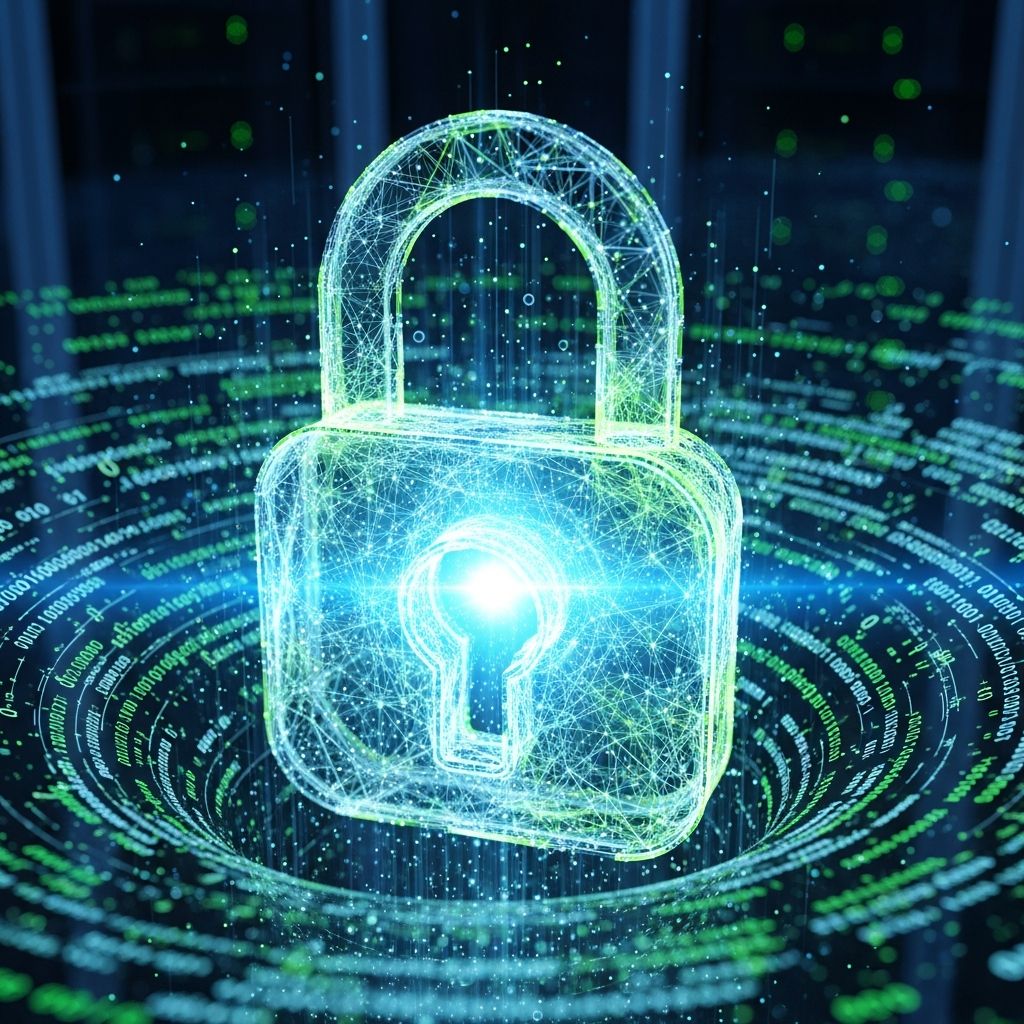
In an era where cyber threats evolve daily, securing your digital life starts with robust password practices. This guide explores modern approaches to password creation, drawing from authoritative standards like NIST’s updated guidelines, emphasizing length over complexity, unique credentials per account, and layered defenses such as multi-factor authentication (MFA).
Why Password Strength Matters More Than Ever
Passwords remain the frontline defense against unauthorized access, yet billions have been compromised in breaches. Traditional short, complex passwords often fail against brute-force and dictionary attacks. Recent shifts in security paradigms advocate for longer, memorable passphrases that resist cracking while minimizing user frustration.
Statistics reveal that 81% of breaches involve weak or stolen credentials, underscoring the need for proactive measures. By adopting 2026 best practices, individuals and organizations can drastically reduce risks without sacrificing convenience.
Core Principles for Building Powerful Passwords
Focus on these foundational elements to construct credentials that withstand sophisticated attacks.
- Emphasize Length:** Aim for at least 16 characters; NIST recommends 8-64 characters, with 12-16 optimal for balance. Longer passwords exponentially increase cracking time.
- Incorporate Variety Without Forced Complexity:** Mix uppercase, lowercase, numbers, and symbols naturally, avoiding predictable patterns like ‘Password1!’. Passphrases from random words excel here.
- Ensure Uniqueness:** Never reuse passwords across sites; each account deserves a distinct one to prevent cascading breaches.
- Avoid Obvious Choices:** Steer clear of personal details, dictionary words, or breached commonalities checked via tools like Have I Been Pwned.
| Weak Password Example | Strong Passphrase Alternative | Cracking Time Estimate |
|---|---|---|
| Password123! | BlueElephant$2026River@Horse | Years vs. Centuries |
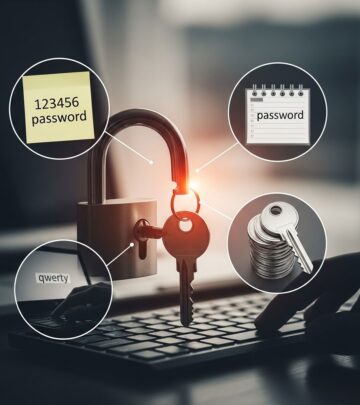
| qwerty2026 | Coffee-Mug7PurpleSky#Trail | Seconds vs. Millennia |
This table illustrates how length and randomness transform vulnerability into resilience.
Harnessing Passphrases for Memorable Security
A passphrase combines unrelated words into a long string, e.g., ‘CorrectHorseBatteryStaple42!’. This method yields high entropy while being easier to remember than jumbled characters. NIST’s 2026 updates endorse this, dropping mandates for special characters in favor of length.
To generate one: Select 4-6 random words, add numbers/symbols, and tweak for uniqueness. Tools like password generators automate this, ensuring no sequential or predictable elements.
Layering Protection with Multi-Factor Authentication
MFA requires a second verification beyond passwords, such as app-generated codes or biometrics. Even if credentials leak, attackers need this extra factor. Implement it universally, preferring authenticator apps or hardware keys over SMS due to phishing risks.
For master passwords in managers, combine with MFA for vault access. This ‘something you know + something you have’ model fortifies defenses exponentially.
Password Managers: Your Central Security Hub
Manually tracking unique passwords is impractical; managers like those compliant with AES-256 encryption store them securely. Features include auto-generation, breach alerts, and zero-knowledge architecture where even the provider can’t access your data.
Choose solutions with MFA support, dark web monitoring, and compliance certifications (GDPR, SOC2). Start with free tiers for individuals, scaling to enterprise PAM for teams.
Detecting and Responding to Compromises
Proactively scan for leaks using services that monitor dark web dumps. Upon detection, immediately update affected passwords and enable alerts for future incidents.
NIST advises against routine changes, only resetting on evidence of breach. This prevents users from incrementing weak passwords predictably.
Organizational Strategies for Enterprise Resilience
Businesses must enforce policies via just-in-time access, limiting privileges temporarily. Integrate with SIEM for anomaly detection and automated resets.
Adopt NIST-compliant screening: Blocklist common/breached passwords, support Unicode for diversity, and log activities for audits.
- Automated compliance scans for NIST/GDPR.
- Privileged access governance for workflows.
- Rate limiting and cooling periods post-failures.
Embracing Passwordless Futures
2026 trends push passkeys, biometrics, and FIDO2 standards—phishing-resistant alternatives. NIST prioritizes these for high-security needs, reducing password reliance.
Transition by piloting on low-risk accounts, ensuring fallback options.
Everyday Habits to Avoid Common Pitfalls
Beyond creation, maintain hygiene:
- Use VPNs on public Wi-Fi; avoid sensitive logins there.
- Verify URLs manually to dodge phishing.
- Enable auto-updates for software vulnerabilities.
- Never share or write down passwords.
Frequently Asked Questions
How long should my password be?
NIST suggests a minimum of 8 characters generally, 15+ for sensitive accounts, up to 64 max. Prioritize length for security.
Do I need to change passwords regularly?
No—only if compromised. Forced changes breed weakness.
What’s better: complexity or length?
Length wins; simple long passphrases outperform complex short ones.
Is MFA foolproof?
Not entirely, but it blocks 99% of account takeover attempts.
Should I use password managers?
Yes, for generating/storing uniques securely.
Advanced Techniques for 2026 Threats
Deploy biometrics where possible, but pair with backups. For devs, use Argon2 hashing and salting per NIST.
Monitor via SIEM integrations for patterns like failed logins signaling attacks.
In summary, unbreakable passwords blend length, uniqueness, MFA, and monitoring. Implement today for tomorrow’s peace of mind.
References
- 15 Password Management Best Practices for 2026 — Securden. 2026. https://www.securden.com/blog/password-management-best-practices.html
- NIST Password Guidelines: 2026 Updates & Best Practices — StrongDM. 2026. https://www.strongdm.com/blog/nist-password-guidelines
- Password Security and Online Safety: Best Practices for 2026 — GiveItGetIt. 2026. https://giveitgetit.org/password-security-best-practices-2026/
- NIST Changed the Rules on Passwords: Is Your Organization Still … — CyberUnit. 2026. https://cyberunit.com/insights/nist-password-guidelines-2026-update/
- Password Security Best Practices for 2026 — StickyPassword. 2026. https://www.stickypassword.com/blog/password-security-best-practices-2026-3242
Similar Articles








Read full bio of Sneha Tete