Crafting Unbreakable Passwords In 2026: Essential Guide
Master the art of password creation with proven strategies to shield your digital life from evolving cyber threats in 2026.
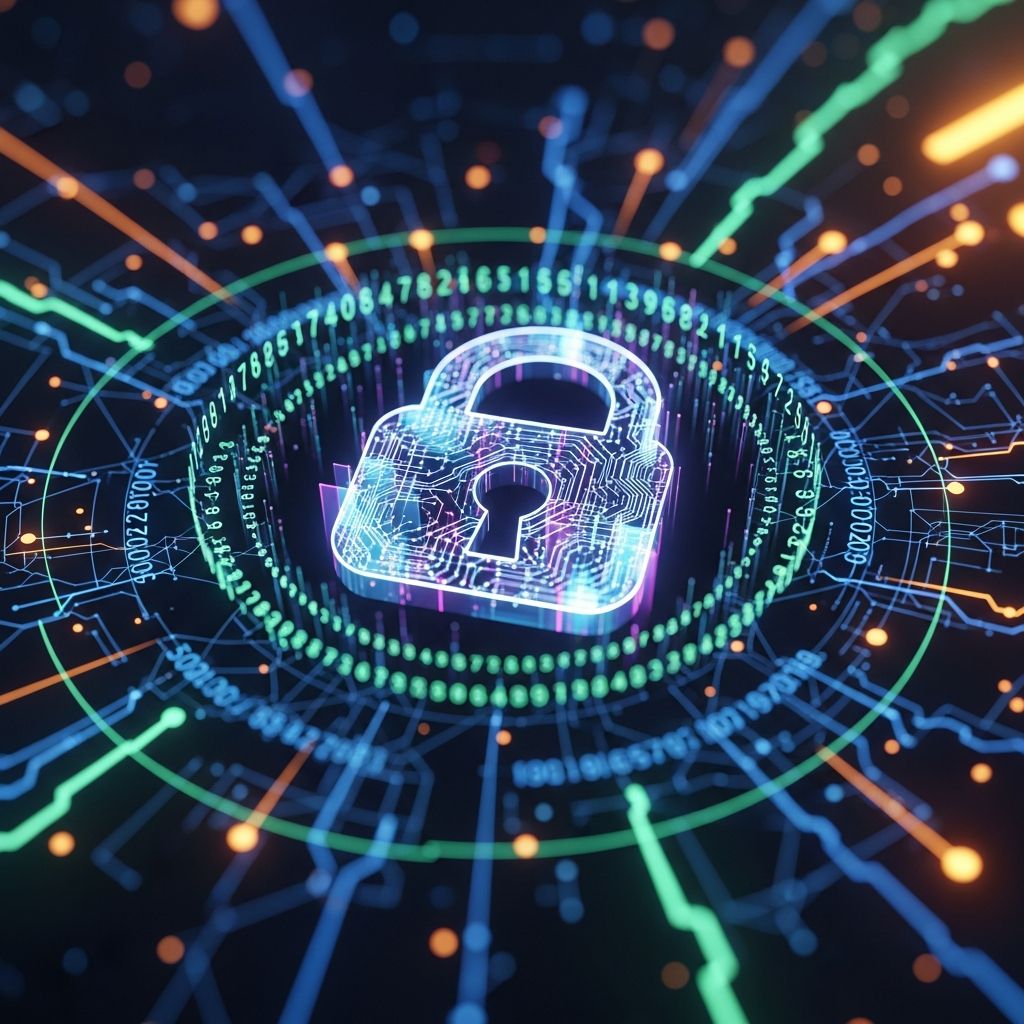
In an era where cyber threats evolve daily, your passwords serve as the primary barrier between hackers and your personal data. Strong password practices not only prevent unauthorized access but also reduce the risk of login-related attacks by up to 88%. This guide explores modern strategies for generating secure passwords, drawing from updated standards like NIST and real-world best practices tailored for 2026.
Why Password Strength Matters More Than Ever
With credential stuffing and brute-force attacks surging, weak passwords remain a top vulnerability. Research shows that long passphrases outperform complex short ones, as length exponentially increases cracking time. Organizations and individuals alike must prioritize uniqueness, length, and layered defenses to counter sophisticated threats like dark web leaks and phishing.
Core Principles for Building Robust Passwords
Effective passwords balance memorability with resilience. Focus on these foundational elements:
- Length Priority: Aim for at least 16 characters, as longer strings resist brute-force attacks far better than 8-character mixes.
- Diversity: Combine unrelated words into passphrases, adding numbers and symbols randomly—e.g., “CorrectHorseBatteryStaple9!”.
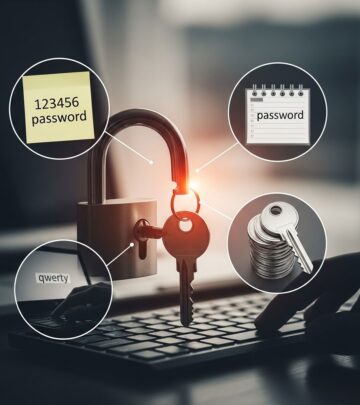
- No Predictability: Steer clear of dictionary words, sequences like “123456”, or personal details such as birthdays.
Passphrases like “EagleFliesHighOverMountains#42” are easier to recall yet exponentially harder to crack than traditional passwords.
Embracing Passphrases Over Complex Strings
Traditional rules mandating uppercase, lowercase, numbers, and symbols often lead to predictable patterns. NIST guidelines now favor length over forced complexity, allowing passphrases up to 64 characters without mandatory mixes. This shift acknowledges that users create stronger, memorable credentials when unburdened by rigid rules.
| Old Approach | New Best Practice | Security Gain |
|---|---|---|
| P@ssw0rd! (8 chars) | SunlightDancesOnWaves2026 (25 chars) | Trillions of times harder to crack |
| Requires symbols/numbers | Optional enhancements | Improves user compliance |
| Frequent changes | Change only on breach | Reduces weak password creation |
By supporting passphrases, policies align with human memory limits while bolstering defense.
The Critical Role of Password Managers
Managing dozens of unique passwords manually is impractical. Password managers generate, store, and autofill complex credentials securely using AES-256 encryption. They eliminate reuse—the leading cause of breaches—by creating site-specific passwords accessible via a single master passphrase.
- Choose managers with zero-knowledge architecture: Your data remains encrypted, even from the provider.
- Enable autofill and breach alerts to streamline secure habits.
- For enterprises, integrate with SIEM tools for holistic monitoring.
Treat your master password as sacrosanct: Make it a 20+ character passphrase, never digitize it, and protect it with MFA.
Layering Protection with Multi-Factor Authentication
MFA transforms security by requiring a second factor—something you have or are—beyond your password. Even compromised credentials fail without the code, app approval, or biometric scan.
Implement MFA universally, prioritizing hardware keys over SMS for high-value accounts. Enterprise policies should mandate it for sensitive systems, aligning with ISO 27001 and SOC 2.
Detecting and Responding to Breaches
Proactively scan for leaks using services like Have I Been Pwned. Block commonly breached or weak passwords at creation via API checks. Upon detection:
- Force immediate resets for affected accounts.
- Monitor dark web for exposed credentials.
- Conduct audits to flag reuse or weaknesses.
Scheduled compliance scans ensure adherence to NIST and GDPR, generating reports for audits.
Enterprise Strategies: Beyond Individual Habits
Organizations must enforce policies via tools that automate enforcement. Key tactics include:
- Just-in-Time Access: Grant temporary privileges, revoking post-task to minimize exposure.
- Passwordless Options: Transition to biometrics or authenticator apps where feasible.
- Simulations: Run phishing drills and breach scenarios to train teams.
Integrate with privileged access management (PAM) for scalable security.
Avoiding Common Pitfalls in Password Hygiene
Steer clear of these errors:
- Reusing passwords across sites—leads to cascading breaches.
- Public Wi-Fi without VPN—exposes sessions to interception.
- Falling for phishing: Always verify URLs manually.
- Outdated software: Enable auto-updates to patch vulnerabilities.
Phishing remains rampant; train to spot red flags like urgent demands or mismatched domains.
Implementing a Comprehensive Password Policy
Craft a policy mirroring modern frameworks:
- Min 12-16 characters, passphrase support.
- Screen against breach lists.
- MFA mandatory for admin/sensitive access.
- No routine expirations—change on evidence only.
Free templates from compliance-focused platforms simplify rollout.
Future-Proofing Your Defenses
As threats advance, adopt passwordless authentication like FIDO2 standards. Combine with endpoint detection and regular audits for resilience. Habits like daily breach checks and MFA checks fortify your posture.
Frequently Asked Questions
How long should my password be in 2026?
At least 16 characters for optimal security, favoring passphrases over short complex strings.
Do I still need special characters?
Not mandatory; length provides superior protection, but sprinkle them in for extra strength.
What’s the best password manager?
Select ones with AES-256 encryption, MFA support, and breach monitoring.
Should I change passwords regularly?
No—only upon suspected compromise, as forced changes breed weakness.
Is MFA enough without strong passwords?
No; use both for layered defense.
References
- 15 Password Management Best Practices for 2026 — Securden. 2026. https://www.securden.com/blog/password-management-best-practices.html
- Password Policy Guide 2026: Best Practices + Free Template — Deel. 2026. https://www.deel.com/blog/password-policy-guide/
- Password Security and Online Safety: Best Practices for 2026 — GiveItGetIt. 2026. https://giveitgetit.org/password-security-best-practices-2026/
- Password Security Best Practices for 2026 — StickyPassword. 2026. https://www.stickypassword.com/blog/password-security-best-practices-2026-3242
- Password Best Practices — UC Santa Barbara Information Technology (it.ucsb.edu). Accessed 2026. https://it.ucsb.edu/general-security-resources/password-best-practices
- NIST Proposes Updated Password Practices — Michael Best & Friedrich LLP. 2023-10-02. https://www.michaelbest.com/insights/nist-proposes-updated-password-practices-102jltz/
Similar Articles








Read full bio of Sneha Tete