CPN Explained: Risks, Legal Truths, And Safe Alternatives
Uncover the dangers of Credit Privacy Numbers and discover safe ways to rebuild your credit without falling for scams.
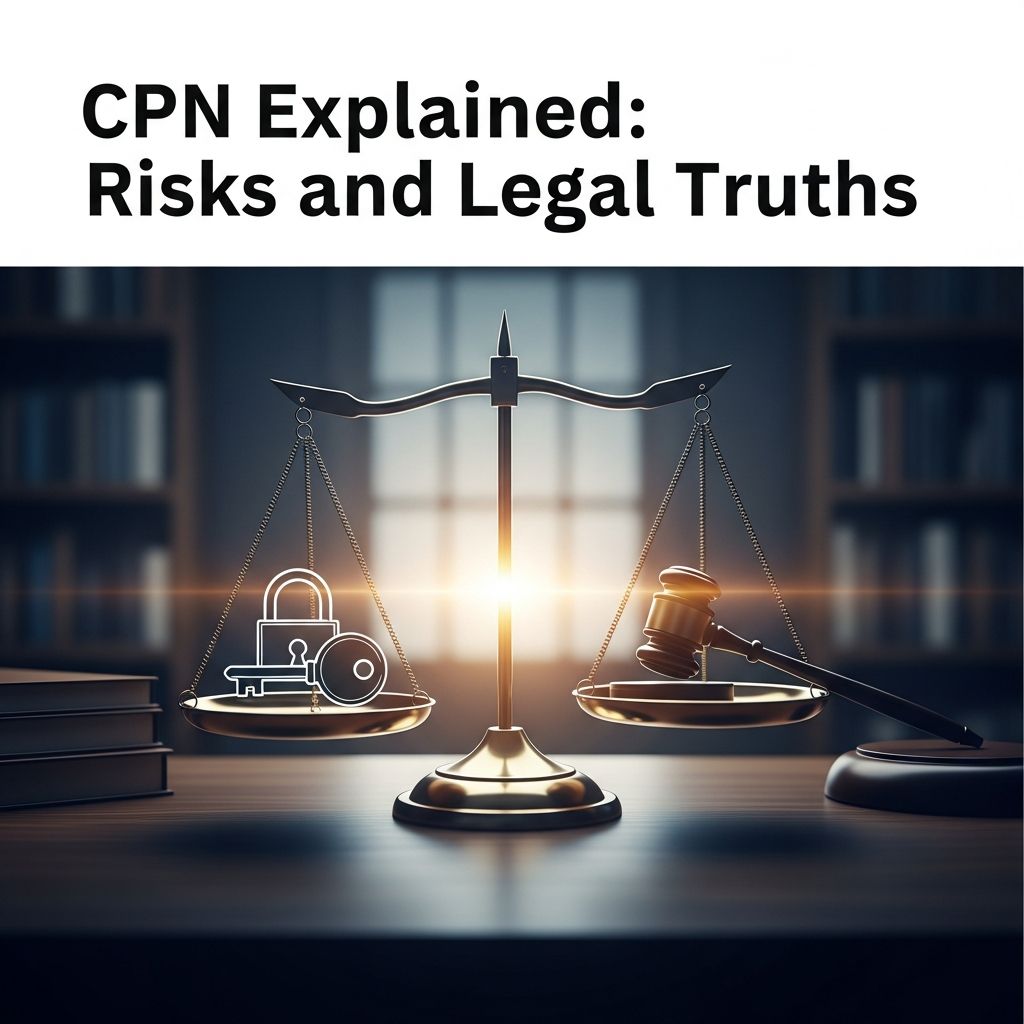
A Credit Privacy Number (CPN), also known as a credit profile number or consumer protection number, is a nine-digit identifier formatted identically to a Social Security Number (SSN). Unlike legitimate government-issued IDs, CPNs are not authorized by any official agency and using one constitutes fraud.
Understanding the Basics of CPNs
CPNs are aggressively promoted by shady operators as a shortcut to erase poor credit histories, secure loans, or bypass background checks. These numbers mimic SSNs in appearance—using the XXX-XX-XXXX format—but originate from unauthorized sources, often fabricated sequences or stolen SSNs. Scammers claim CPNs create a ‘new credit identity,’ allowing users to apply for credit cards, mortgages, or rentals without their past financial mistakes surfacing.
The allure stems from desperation: individuals with bankruptcies, late payments, or low scores seek rapid relief. However, no federal or state body, including the Social Security Administration or IRS, issues CPNs for personal credit purposes. This distinction is critical, as legitimate alternatives like Employer Identification Numbers (EINs) serve businesses, while Individual Taxpayer Identification Numbers (ITINs) aid tax filing for non-SSN eligible residents.
How CPN Scams Operate
Scam networks sell CPNs for hundreds of dollars, bundling them with ‘credit repair’ services. Buyers are instructed to submit the CPN on applications alongside real personal details like name and address, effectively concealing their true credit file. This tactic temporarily evades credit bureaus’ checks, potentially yielding initial approvals for high-limit cards or apartments.
Common sales pitches include:
- Guaranteed credit score jumps to 700+.
- Access to premium loans or housing despite bad history.
- Protection from identity theft by shielding your SSN.
- A ‘clean slate’ free from bankruptcies or defaults.
These promises exploit vulnerabilities, but the scheme unravels when lenders or bureaus detect inconsistencies, such as mismatched records or synthetic identities.
Why CPNs Are Illegal and Fraudulent
Employing a CPN on any credit-related form violates federal law, equating to falsifying identification and potential identity theft if the number is pilfered. The Federal Trade Commission (FTC) mandates government-issued IDs for credit applications; anything else is a felony. Courts treat CPN usage as bank fraud, especially in mortgages or auto loans.
Key legal facts:
| Aspect | Legitimate ID (SSN/EIN/ITIN) | CPN |
|---|---|---|
| Issuer | Government (SSA/IRS) | None/Scammers |
| Format | XXX-XX-XXXX (specific rules) | Imitation |
| Use on Credit Apps | Legal | Fraud |
| Recognition | By bureaus/lenders | Not valid |
Data from credit monitoring firms shows CPNs frequently involve stolen SSNs, fueling broader identity crimes.
Red Flags of CPN Fraudsters
Spotting deceit early prevents losses. Watch for:
- High upfront fees for ‘exclusive’ numbers.
- Pressure to lie on applications (e.g., fake addresses).
- Claims of SSA or bureau endorsements.
- Guarantees of approvals or score boosts.
- Urgency tactics or fear-mongering about credit ruin.
Legitimate credit counselors never suggest fabricated IDs; they focus on disputes and habits.
Severe Consequences of Using a CPN
Discovery leads to application denials, account closures, and blacklisting. Legally, penalties include fines, imprisonment (up to 30 years for aggravated fraud), and permanent criminal records hindering jobs, loans, and housing. Victims may face civil suits from lenders, plus scammers retaining their real data for further exploitation.
Real-world impacts:
- Criminal Record: Felony charges bar professional licenses.
- Financial Loss: Fees paid to scammers plus denied services.
- Worsened Credit: Fraud notations tank scores further.
- Identity Theft Chain: Stolen data used in new schemes.
Legitimate Paths to Credit Recovery
Instead of risks, adopt proven strategies:
- Review Reports: Access free weekly reports from AnnualCreditReport.com; dispute errors.
- Timely Payments: Use autopay; 35% of scores from payment history.
- Low Utilization: Keep balances under 30% of limits.
- Secured Cards: Build history with low-deposit options.
- Counseling: Nonprofit agencies like NFCC offer free advice.
Progress takes 6-12 months but yields sustainable gains without legal peril.
Protecting Yourself from Credit Scams
Enhance safeguards:
- Freeze credit files at Equifax, Experian, TransUnion.
- Monitor accounts via apps or alerts.
- Report suspicions to FTC at ReportFraud.ftc.gov or 877-438-4338.
- Use strong, unique passwords for financial sites.
- Educate via official resources like ConsumerFinance.gov.
Targeted groups—the elderly, young adults, and formerly incarcerated—are prime victims; community awareness combats this.
CPN vs. Real Alternatives: A Comparison
| Option | Pros | Cons | Legality |
|---|---|---|---|
| CPN | Short-term approvals | Fraud detection, jail | Illegal |
| Secured Credit Card | Builds real history | Requires deposit | Legal |
| Credit Builder Loan | Forced savings, reports positively | Small fees | Legal |
| ITIN (if eligible) | Tax/credit access | Limited scope | Legal |
Frequently Asked Questions (FAQs)
Is a CPN the same as my SSN?
No. CPNs imitate SSNs but lack official issuance, making their use fraudulent.
Can CPNs protect my privacy?
False. They expose you to scammers and legal risks without safeguarding data.
Are there any legal CPNs?
None exist. All marketed CPNs are scams.
What if I already bought a CPN?
Cease use immediately. Report to FTC, monitor credit, and consult legal aid.
How long do negatives stay on my report?
Bankruptcies: 7-10 years; late payments: 7 years. Time heals legally.
Final Thoughts on Smart Credit Choices
CPNs offer illusory fixes with devastating fallout. Prioritize ethical, effective methods for enduring financial health. Knowledge empowers resistance to fraud, fostering genuine prosperity.
References
- What Is A Credit Privacy Number? Is It Legal? — Bankrate. 2023-10-15. https://www.bankrate.com/personal-finance/credit/what-is-a-credit-privacy-number/
- What Is a CPN (Credit Privacy Number)? — O’Bryan Law Offices. 2024-05-20. https://obryanlawoffices.com/bankruptcy-help/what-is-a-cpn/
- What Is a Credit Privacy Number (CPN)? — Experian. 2024-08-12. https://www.experian.com/blogs/ask-experian/what-is-a-cpn-or-credit-privacy-number/
- What is a Credit Privacy Number (CPN), and Why Are They Illegal? — SentiLink. 2023-11-08. https://resources.sentilink.com/blog/what-is-a-cpn
- Credit Privacy Numbers: Avoid These Fictional Numbers — Amplify. 2024-02-14. https://www.goamplify.com/blog/idprotection/credit-privacy-number/
- Credit Privacy Number (CPN): Definition, Risks & Alternatives — Debt.org. 2024-06-22. https://www.debt.org/credit/credit-privacy-number/
- What is a CPN in an Apartment? — MRI Software. 2023-09-05. https://www.mrisoftware.com/blog/what-is-a-cpn-how-to-protect-your-apartment-community/
Similar Articles








Read full bio of Sneha Tete