COVID-19’s Lasting Impact on Consumer Spending
Explore how the pandemic reshaped spending habits, from sharp declines in travel to surges in home goods, with enduring shifts in behavior.
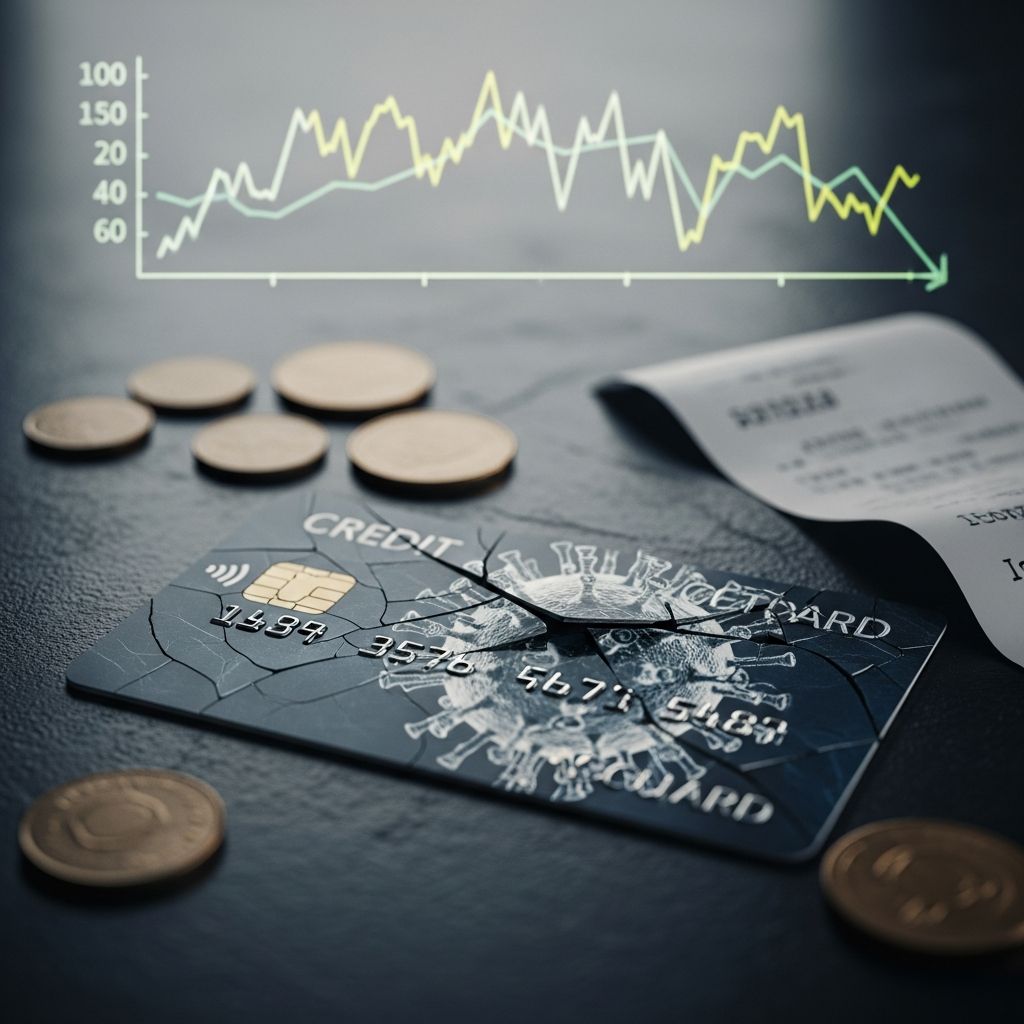
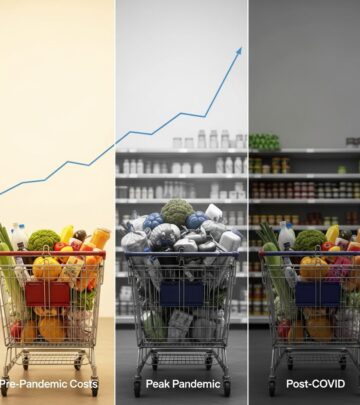
The COVID-19 pandemic fundamentally altered how people allocate their money, shifting priorities from experiential services to essential goods and home-based activities. This transformation, driven by lockdowns, health fears, and economic uncertainty, created both temporary dips and persistent changes in spending behavior across sectors like travel, dining, and retail.
Initial Shock: The Sharp Drop in Traditional Spending
When the pandemic hit in early 2020, consumer spending plummeted, particularly in categories requiring social interaction. Real personal consumption expenditures (PCE) contracted by 3.9% in 2020, a stark reversal from the 2.4% growth in 2019, with the steepest decline in April 2020. Services bore the brunt, as fear of infection and restrictions curbed outings to restaurants, entertainment venues, and transportation hubs.
Spending on
food away from home
saw the most dramatic swing: a 53.7% drop from Q2 2019 to Q2 2020, followed by a 91.2% rebound from Q2 2020 to Q2 2021 as restrictions eased. Apparel and services fell 48.6% in the same period, reflecting closed stores and reduced social needs. These shifts were not uniform; higher-income groups maintained savings, while lower-income households faced income losses, exacerbating spending polarization.Rise of Home-Centric Consumption
With homes doubling as offices, gyms, and schools, spending pivoted to durable and nondurable goods. Nondurable goods like food and beverages surged 6.9% in 2020, up from 1.7% the prior year, as home cooking replaced dining out. Durable goods, including recreational items and vehicles, jumped 18%, fueled by demand for home gyms and outdoor equipment.
- Food at home: Increased 10.1% from Q1 2019 to Q1 2020 and 9.7% from Q2 2020 to Q2 2021.
- Furnishings and household equipment: Boosted by remote work setups and nesting trends.
- Utilities: Higher usage from prolonged home stays.
This “home nesting” trend reversed decades of declining at-home spending, with lasting appeal among high-income remote workers and budget-conscious families favoring digital entertainment.
Digital Acceleration and New Habits
The pandemic supercharged online adoption. E-grocery shopping, virtual healthcare, and remote learning saw permanent upticks. Entertainment shifted online, with a 27.7% rise in spending from Q2 2020 to Q2 2021. Alcoholic beverages followed suit, dropping 29% initially but rebounding 61.9%.
A European survey post-first wave revealed preference shifts: Northern countries saw high-income earners favoring online substitutions, while Southern nations grappled with confidence shocks. These changes suggest durability beyond lockdowns.
Sector-by-Sector Breakdown: Winners and Losers
| Sector | 2020 Change | Recovery Trend | Key Driver |
|---|---|---|---|
| Food Away from Home | -53.7% (Q2) | +91.2% rebound | Lockdowns to reopenings |
| Apparel & Services | -48.6% (Q2) | +70.3% rebound | Store closures |
| Transportation | -19.3% (Q2) | +23.3% rebound | Travel restrictions |
| Food at Home | +10.1% (Q1) | Sustained growth | Home cooking |
| Entertainment | -21.0% (Q2) | +27.7% digital shift | Streaming surge |
Services lagged recovery, remaining 4.7% below pre-pandemic levels by early 2021, while goods outperformed. Leisure air travel and live events faced prolonged slumps.
Income Disparities and Savings Surge
Spending polarized by income. Mid- and high-income cohorts accumulated savings—U.S. rates doubled in 2020—poised for rebounds in 2021-2022. Low-income groups, hit by job losses, cut back further post-stimulus. About 42% of Americans reported spending less overall, with financial impacts lingering. Nearly half reduced spending due to economic fears.
Personal savings rates hit 14.2% by late 2020, nearly double pre-pandemic levels, driven by uncertainty.
Long-Term Behavioral Shifts
Evidence points to enduring changes. COVID-19 altered preferences, with sectoral shifts likely persisting. Digital grocery and healthcare gains are expected to stick, alongside home-centric habits. High-income remote work and low-cost home alternatives sustain these trends.
By mid-2021, services rebounded—19.3% YoY in April—but full pre-pandemic parity remained elusive. Surveys indicate confidence shocks in Southern Europe and preference changes elsewhere.
Global Perspectives and Recovery Outlook
Uneven impacts marked regions: U.S. PCE surpassed February 2020 levels by March 2021, led by goods. Europe showed varied confidence: Southern caution versus Northern adaptation. As vaccines rolled out, optimism grew, but disparities persisted.
Post-pandemic, expect stronger services like travel and dining, but with hybrid models incorporating digital options.
FAQs
What caused the biggest spending drops during COVID-19?
Food away from home (-53.7% in Q2 2020) and apparel (-48.6%), due to lockdowns and health fears.
Which sectors saw spending increases?
Food at home (+10.1%), recreational goods (+18%), and digital services.
Are these changes permanent?
Many are, especially digital adoption and home nesting, per surveys and analyses.
How did income affect spending?
High-income saved more and rebounded faster; low-income cut deeper.
When did spending recover?
Goods led early; services lagged but surged in 2021 reopenings.
References
- The COVID-19 consumption game-changer: Evidence from a large consumer survey in Europe — PMC/NCBI. 2022-08-16. https://pmc.ncbi.nlm.nih.gov/articles/PMC9366548/
- The consumer demand recovery and lasting effects of COVID-19 — McKinsey & Company. 2021-04-08. https://www.mckinsey.com/industries/consumer-packaged-goods/our-insights/the-consumer-demand-recovery-and-lasting-effects-of-covid-19
- Consumer spending trends after COVID-19 — Deloitte Insights. 2021-06-01. https://www.deloitte.com/us/en/insights/topics/economy/us-economic-forecast/us-consumer-spending-after-covid.html
- Changes to consumer expenditures during the COVID-19 pandemic — U.S. Bureau of Labor Statistics. 2022-05-03. https://www.bls.gov/opub/ted/2022/changes-to-consumer-expenditures-during-the-covid-19-pandemic.htm
- COVID-19: reduction in U.S. consumer spending 2020 — Statista. 2020-10-01. https://www.statista.com/statistics/1111221/coronavirus-concerns-less-spending-usa/
Similar Articles








Read full bio of Sneha Tete