Professional Cover Letter Template & Writing Guide
Master the art of cover letters with professional templates and expert writing tips.
Understanding the Importance of a Cover Letter
A cover letter is a crucial document that accompanies your resume when applying for a job. It provides hiring managers with insight into your personality, professional background, and genuine interest in the position. Unlike a resume, which lists your qualifications and work history, a cover letter tells your story and demonstrates why you are the ideal candidate for the specific role and company.
The cover letter serves as your first impression in many cases. It allows you to showcase your communication skills, attention to detail, and enthusiasm for the opportunity. A well-crafted cover letter can distinguish you from other candidates and significantly improve your chances of landing an interview.
Cover Letter Format and Structure
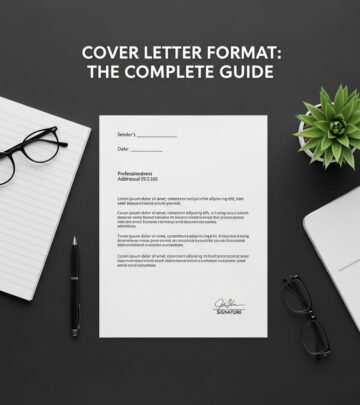
Understanding the proper format for a cover letter is essential for creating a professional document that hiring managers will take seriously. A standard cover letter follows a specific structure that includes several key components.
Header with Contact Information
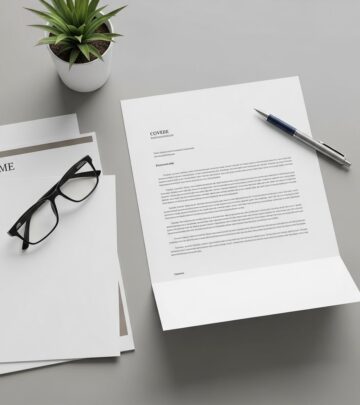
Begin your cover letter with your contact information at the top of the page. This section should include:
- Your full name
- Your email address
- Your phone number
- Your city and state (or metropolitan area)
- The date you are submitting the letter
- Optional: LinkedIn URL or personal website
Position your contact information in the same format as your resume for consistency. You can simply copy the header from your resume to maintain uniformity across your application materials. While only your name and email are mandatory, including additional contact details makes it easier for recruiters to reach you.
Salutation and Greeting
After your contact information, include a proper salutation addressing the hiring manager. Whenever possible, use the hiring manager’s name: “Dear [Hiring Manager’s Name].” If you cannot find the specific person’s name, you can use “Dear Hiring Manager” or “Dear [Company Name] Hiring Team.” Always use a colon after the salutation, following proper business letter formatting.
Body Paragraphs
The body of your cover letter typically consists of three to four paragraphs. Each paragraph should serve a specific purpose and build upon the previous one to create a compelling narrative about your candidacy.
Professional Sign-Off
End your cover letter with a professional closing such as “Sincerely,” “Best regards,” or “Thank you for your consideration.” Follow this with your full name. If you are printing the letter, leave space for your handwritten signature between the closing and your typed name.
Ideal Length and Word Count
Cover letters should be concise yet comprehensive. The ideal length is between 250 and 400 words, contained on a single page. This ensures your letter remains relevant and focused without overwhelming the reader. Most hiring managers spend only seconds reviewing cover letters, so brevity combined with impact is crucial. Avoid exceeding one full page, as lengthy cover letters may not be read in their entirety.
Opening Paragraph: Creating a Strong First Impression
Your opening paragraph is critical because it sets the tone for the entire letter and determines whether the hiring manager will continue reading. This paragraph should be memorable, conversational, and directly relevant to the position you’re pursuing.
Essential Elements of an Opening Paragraph
Your opening should accomplish several key objectives. First, clearly state the specific position you are applying for, as hiring managers often review candidates for multiple positions. Second, mention where you discovered the job posting to provide context. Third, demonstrate genuine enthusiasm for both the company and the role.
Consider opening with a unique hook that shows personality while maintaining professionalism. For example, you might reference a specific company initiative you admire, mention a shared value or mission, or highlight a recent achievement of the company that resonates with you personally. This approach demonstrates that you have researched the organization and are not sending a generic template letter.
Example Opening Approach
Instead of a bland opening like “I am writing to express my interest in the Marketing Manager position,” you might write: “When I read about your company’s recent sustainability initiative to reduce carbon emissions by 50%, I knew I wanted to contribute to this mission. Your commitment to environmental responsibility aligns perfectly with my professional values, and I believe my marketing expertise can help amplify this important message to your target audience.”
Body Paragraphs: Demonstrating Your Value
The body of your cover letter should focus on your relevant skills, experiences, and accomplishments. This is where you connect your qualifications to the specific job requirements outlined in the job posting.
Tailoring Content to the Job Description
Carefully review the job description and identify the key skills and qualifications the employer is seeking. Address each major requirement in your cover letter by providing specific examples of how you have successfully demonstrated these skills. If the job requires proficiency with particular software, accounting methods, or industry-specific knowledge, mention times when you have used these skills effectively.
Quantifying Your Achievements
Rather than making vague claims about your abilities, back up your accomplishments with concrete data and measurable results. For instance, instead of saying “I am a strong marketer,” you might write: “I developed a social media campaign that increased engagement by 150% and drove 10,000 new customers to the company website within six months.” This approach provides tangible evidence of your capabilities and makes a stronger impression on hiring managers.
Showing Company Research
Dedicate at least one paragraph to demonstrating that you have researched the company thoroughly. Reference specific initiatives, recent achievements, company values, or products that interest you. Explain why these aspects appeal to you personally and how your background aligns with the company’s goals and culture. This shows that you are genuinely interested in this particular opportunity rather than applying to every available position.
Formatting Best Practices
Professional formatting makes your cover letter easier to read and creates a polished first impression. Following standard formatting conventions demonstrates attention to detail and respect for professional norms.
Margins and Spacing
Set margins between one-half inch and one inch on all sides of your document. This provides adequate white space, making the letter appear organized and easy to read. Use single spacing within paragraphs and include a blank line between paragraphs to improve readability. Maintain consistent spacing throughout the document.
Font Selection
Choose a standard, professional font such as Arial, Calibri, Times New Roman, or Helvetica in 11 or 12-point size. These fonts are universally recognized as professional and readable. Avoid decorative, script, or unusual fonts that may be difficult to read or appear unprofessional. For creative positions, you may have slightly more flexibility with font choices, but always prioritize readability.
File Format and Naming
Save and submit your cover letter as a PDF or Word document, depending on the employer’s preferences. If no specific format is requested, PDF is generally the safest choice as it preserves formatting across different devices and operating systems. Name your file professionally, such as “CoverLetter_YourName” or “YourName_CoverLetter,” rather than using generic names like “Document1.”
Key Tips for Writing an Effective Cover Letter
Show Honest Interest and Enthusiasm
Communicate genuine passion for the organization’s mission, culture, products, or values. Rather than using clichéd phrases like “I am absolutely thrilled for this opportunity,” demonstrate authentic enthusiasm through specific examples and thoughtful language. Hiring managers can often detect insincere enthusiasm, so maintain a tone that feels genuine and believable.
Mirror the Company’s Voice and Culture
Spend time researching the company’s website, social media presence, and company communications to understand their tone and culture. If the company has a casual, innovative culture, you can adopt a slightly more conversational tone while remaining professional. If the company is more formal and traditional, maintain a more formal writing style. This cultural alignment shows that you understand the organization and would fit well within their environment.
Address Weaknesses Strategically
Rather than dwelling on gaps in your experience or skills you lack, focus on highlighting your strengths and transferable skills. If you lack experience in a particular area, emphasize related skills that demonstrate your ability to quickly learn and adapt. For example, if you’re changing careers, highlight how your project management skills from your previous industry transfer to the new position.
Strike the Right Tone
Finding the balance between professional formality and personality is essential. Avoid being excessively formal, which can make you seem stiff or insincere. Similarly, do not be too casual or conversational, as this may undermine your professionalism. Let your authentic personality shine through while maintaining respect for the formal nature of job applications.
Common Cover Letter Elements to Include
A comprehensive cover letter should incorporate several essential elements to present yourself as a complete candidate. These components work together to create a persuasive document that compels hiring managers to invite you for an interview.
- Your name and complete contact information clearly displayed at the top
- The hiring manager’s name and company contact details to demonstrate that you have done your research
- A professional salutation addressing the specific individual when possible
- Three to four well-developed paragraphs covering your interest, relevant experience, and unique value
- Specific examples and achievements that demonstrate your qualifications
- A company-specific section showing research and understanding of their mission and values
- A polite closing statement expressing appreciation for their time and consideration
- A professional sign-off followed by your typed name and signature
Length and Conciseness Guidelines
Keeping your cover letter concise is crucial for maintaining the reader’s attention. Aim for 400 to 800 words maximum, though 250 to 400 words is often optimal. Every sentence should serve a purpose and contribute to your overall candidacy narrative. Remove any redundant information or phrases that don’t directly support your application. Hiring managers are busy and appreciate cover letters that respect their time by being focused and impactful.
Frequently Asked Questions
Q: Should I use a cover letter template?
A: Yes, using a well-designed template is helpful, as it provides proper formatting and structure. However, you should always customize the template significantly to match the specific job and company. Never send a generic, unchanged template letter.
Q: How should I address the cover letter if I don’t know the hiring manager’s name?
A: Try to research the hiring manager’s name through LinkedIn, the company website, or by calling the company’s HR department. If you cannot find the name, use “Dear Hiring Manager” or “Dear [Company Name] Hiring Team” as an acceptable alternative.
Q: Can I send my cover letter as an email body instead of an attachment?
A: This depends on the employer’s instructions. If the job posting does not specify, it is generally safer to send it as an attachment. However, always follow any specific submission instructions provided by the employer.
Q: How do I customize a cover letter for different jobs?
A: Update the opening paragraph to reference the specific company and position. Modify the body paragraphs to highlight skills and experiences most relevant to each unique job posting. Include company-specific research that demonstrates your genuine interest in that particular organization.
Q: Should I include salary expectations in my cover letter?
A: Only include salary information if the job posting explicitly requests it. Otherwise, it is best to address compensation discussions after you receive a job offer.
References
- The 11 Best Cover Letter Examples of 2025 — Resume Genius. 2025. https://resumegenius.com/blog/cover-letter-help/best-cover-letters
- Free Cover Letter Templates — Indeed.com Career Advice. 2025. https://www.indeed.com/career-advice/resumes-cover-letters/free-cover-letter
- How to Write a Cover Letter: Your Full Guide — The Muse. 2025. https://www.themuse.com/advice/how-to-write-a-cover-letter-31-tips-you-need-to-know
Similar Articles








Read full bio of medha deb