Cover Letter Salutation: Guide to Professional Greetings
Master the art of professional cover letter salutations with expert tips and examples for every situation.

Cover Letter Salutation: The Essential Guide to Professional Greetings
A cover letter salutation is your first opportunity to make a positive impression on a potential employer. This opening greeting sets the tone for your entire application and demonstrates your professionalism and attention to detail. Whether you’re sending a traditional printed letter or an email cover letter, knowing how to properly address your recipient is crucial for your job search success. The salutation bridges the gap between your header information and the body of your letter, making it a critical component of your overall presentation.
The importance of a well-crafted salutation cannot be overstated. Hiring managers review countless applications, and a properly formatted greeting shows that you’ve taken the time to research the company and respect professional conventions. On the other hand, an inappropriate or generic salutation can immediately damage your chances of advancing in the hiring process. This guide will help you navigate the nuances of cover letter salutations and provide you with practical examples for every situation you might encounter.
Understanding Cover Letter Structure and the Role of Salutations
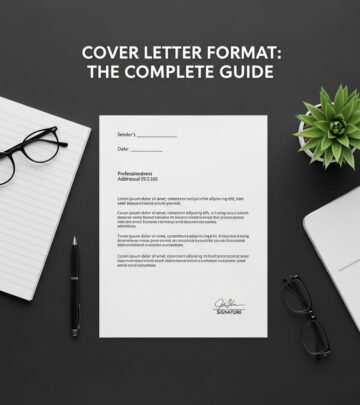
Before diving into specific salutation options, it’s important to understand how the salutation fits into the overall structure of your cover letter. A well-organized cover letter includes several key components: your header with contact information, the date, the recipient’s details, the salutation, the body paragraphs, a closing, and your signature. The salutation appears after you’ve provided the hiring manager’s name and contact information, serving as the bridge between these essential details and your actual message.
Proper spacing and formatting around your salutation matters significantly. You should leave a blank line above your salutation (after the recipient’s address block) and another blank line below it (before your opening paragraph). This spacing creates visual clarity and makes your letter easier to read. When formatting electronically, maintain these spacing conventions to ensure your letter looks professional when printed or viewed on screen.
The Golden Rule: Always Use “Dear”
The most professional and universally accepted salutation for cover letters is “Dear.” This word has stood the test of time and remains appropriate for virtually all professional situations, whether you’re submitting a traditional printed letter or an email cover letter. “Dear” conveys respect and formality without being stuffy or outdated, making it the safest choice for any job application. Even in casual industries or when applying to startups, beginning with “Dear” demonstrates that you understand professional communication standards.
While “Dear” is your foundational greeting, what comes after it depends on the information you have about the hiring manager and the context of your application. The goal is to be as specific and personalized as possible while maintaining professionalism throughout.
Strategies for Finding the Hiring Manager’s Name
Before you can write an effective salutation, you need to identify the hiring manager. This detective work is worth the effort, as personalizing your letter significantly increases your chances of making a positive impression. Start by reviewing the job posting carefully—sometimes the hiring manager’s name appears in the posting itself or in a contact section. Next, visit the company’s website and explore their team or staff directory. Many companies list their employees’ names and titles, making it easy to identify the appropriate recipient.
LinkedIn is another valuable resource for finding hiring managers. Search for the company name and browse the employee directory to find individuals in human resources, recruiting, or the specific department related to the job opening. You can also use LinkedIn’s search function to look for job titles like “HR Manager” or “Recruiting Director” at the company. Google searches combining the company name with “hiring manager” or “recruiter” can also yield results. If the job posting mentions a hiring manager’s name or email, use that information as your primary contact point.
Professional Salutation Options When You Know the Name
When you’ve successfully identified the hiring manager, you have several professional options for addressing them. These greetings maintain appropriate formality while showing respect for the individual:
Using Formal Titles and Last Names
The most formal and universally appropriate option is to use a title and last name. This approach works in virtually all professional contexts:
– Dear Mr. Johnson,- Dear Ms. Rodriguez,- Dear Mrs. Chen,- Dear Mx. Taylor,
The “Mx.” title is increasingly recognized as a gender-neutral option for individuals who prefer not to use gendered titles. Using the appropriate title shows that you’ve taken time to research the person and respect their professional identity.
Professional and Academic Titles
If the hiring manager has a professional or academic title, incorporate it into your salutation:
– Dear Dr. Al-Bassam,- Dear Professor Lin,- Dear Lieutenant Pritchard,- Dear Assoc. Prof. Barker,- Dear Colonel Matthews,
Using professional titles demonstrates that you’ve done your research and respect the person’s accomplishments and credentials. This approach is particularly important when applying to academic institutions, research organizations, or industries where such titles are standard.
Full Names for Gender-Ambiguous Situations
When the hiring manager has a gender-ambiguous first name, using their full name is an appropriate and respectful solution:
– Dear Cameron Hill,- Dear Jay MacBride,- Dear Taylor O’Malley,- Dear Blake Everett,
This approach avoids making assumptions about someone’s gender and shows that you’re thoughtful about professional communication. Always verify the spelling of the person’s name to ensure accuracy.
Salutation Options When the Name Is Unknown
Despite your best efforts, you may not always be able to identify the hiring manager’s name. In these situations, several professional alternatives can work effectively:
Job Title-Specific Greetings
When a name is unavailable, address your letter to the position or department rather than using generic phrases:
– Dear Client Services Manager,- Dear Vice President of Business Development,- Dear Sales & Marketing Director,- Dear Hiring Manager,- Dear Human Resources Team,
These greetings are specific enough to show you understand the organizational structure while remaining professional and appropriate. They demonstrate that you’ve thought about who would likely receive your letter, even if you couldn’t identify the specific individual.
Generic but Acceptable Options
When all else fails, these generic options are acceptable alternatives:
– Dear Hiring Manager,- Dear Human Resources Department,- Dear Recruitment Team,
While less personalized than other options, these greetings are still professional and widely recognized. “Dear Hiring Manager” in particular has become increasingly acceptable in modern job applications, though it should only be used when you’ve exhausted other options.
Salutation Mistakes to Avoid
Understanding what NOT to do is just as important as knowing what to do. Several outdated or inappropriate salutations can damage your application:
Outdated Greetings
These salutations are considered outdated and should be avoided in modern cover letters:
– “To Whom It May Concern,”- “Dear Sir/Madam,”- “Dear Sir or Madam,”
These generic greetings make your letter feel impersonal and suggest you didn’t bother researching the company or identifying the hiring manager. They’re remnants of older business communication styles and can make your application appear less thoughtful.
Too Casual or Informal
Avoid greetings that are too casual, even in informal industries:
– “Hi there,”- “Hello,”- “Hey [Name],”- “What’s up?”
These informal greetings undermine the professional tone of your cover letter and can make you appear unprepared or disrespectful. Even when applying to creative companies or startups, maintaining professional etiquette in your salutation is important.
First-Name-Only Approach
Unless you already have an established relationship with the hiring manager, addressing them by first name only is inappropriate:
– “Dear Jeff,” (when you don’t know the person)- “Dear Amanda,” (without prior introduction)
Using first names without permission can seem presumptuous or disrespectful. Reserve first-name salutations for internal positions where you already have a professional relationship with the recipient.
Email Cover Letters: Salutation Considerations
While email cover letters may seem slightly more casual than traditional letters, the salutation rules remain largely the same. Begin your email body with the same professional salutations you would use in a printed letter. Start with “Dear” followed by the appropriate name or title, then leave a blank line before beginning your letter content.
Email cover letters might feel more conversational, but your salutation should maintain the same level of professionalism as a traditional letter. The slightly informal nature of email communication should not extend to your greeting, which sets the tone for your entire application.
Salutation Template for Quick Reference
Here’s a practical template you can adapt for your own cover letters:
[Your Name]
[Your Job Title or Desired Position]
[Your Phone Number] | [Your City, State]
[Your Email] | [LinkedIn Profile URL]
_____________________________________________________
[Today’s Date]
[Hiring Manager’s Name]
[Hiring Manager’s Title]
[Company Name]
[Company Address]
_____________________________________________________
Dear [Mr./Ms./Mx./Dr.] [Hiring Manager’s Last Name],
Cover Letter Closing Salutations
Just as your opening salutation matters, your closing salutation—the sign-off before your signature—is equally important. Professional closing salutations include:
Recommended Closing Options
– Sincerely,- Best regards,- Kind regards,- Respectfully,- Thank you,
These closings maintain professionalism and gratitude while signaling the end of your letter. “Sincerely,” remains the most traditional and universally appropriate choice.
Closings to Avoid
Just as with opening salutations, certain closing phrases are too casual or inappropriate:
– “Cheers,”- “Thanks,”- “Bye,”- “Warm regards,”- “Yours truly,”
These closings either feel too informal or outdated. Stick with the recommended options to maintain consistency with your professional opening salutation.
Key Considerations for Effective Salutations
Keep It Formal and Professional
Your salutation sets the tone for your entire letter. Maintaining formality in your greeting ensures that the rest of your cover letter is read with the appropriate professional context. Even if the company has a casual culture, your application materials should reflect traditional business etiquette.
Personalize Whenever Possible
Personalization matters significantly in cover letters. Whenever you can identify the hiring manager’s name, use it. This personal touch demonstrates effort and genuine interest in the position. Hiring managers appreciate when applicants take the time to research and address them directly.
Always Include a Salutation
Never skip the salutation entirely. Some applicants mistakenly begin their letter directly with body text, which appears disjointed and unprofessional. The salutation, regardless of how simple it may seem, is a necessary component of proper cover letter format.
Punctuate Correctly
Your salutation should always end with a comma, followed by a line break and then your opening paragraph. This punctuation convention is standard in business writing and should be followed consistently.
Frequently Asked Questions About Cover Letter Salutations
Q: Should I use “Dear” in an email cover letter?
A: Yes, absolutely. Even in email cover letters, “Dear” remains the most professional opening. Begin your email body with “Dear” followed by the appropriate salutation, just as you would in a traditional letter.
Q: What if I find multiple hiring managers listed for a position?
A: If multiple people are listed, address your letter to the primary contact or the person whose title suggests they have primary hiring responsibility, such as the HR Manager or Recruiting Director. If you’re unsure, it’s acceptable to use “Dear Hiring Team” or address it to the department.
Q: Can I use gender-neutral titles if I’m unsure of someone’s gender?
A: Yes, using the person’s full name is an excellent solution when gender is unclear. Alternatively, if you can find information about their gender through company websites or LinkedIn, use the appropriate title. When in doubt, full names are always safe.
Q: Is “To Whom It May Concern” ever acceptable today?
A: This phrase is considered outdated and should be avoided in modern cover letters. It suggests you didn’t bother researching the company or recipient. Use alternative generic options like “Dear Hiring Manager” instead.
Q: What should I do if the hiring manager’s name has unusual spelling?
A: Always verify the correct spelling by checking the job posting, company website, LinkedIn profile, or email signature. Using the correct spelling shows attention to detail and respect for the individual. When in doubt, confirm the spelling before submitting your application.
Q: Should I ever use a first name in the salutation?
A: Only if you already have an established professional relationship with the person or if they’ve explicitly invited you to use their first name. When applying to a position you found through a job board, always use formal titles and last names unless instructed otherwise.
Practical Examples of Cover Letter Salutations
Example 1: Traditional Cover Letter
Sarah Mitchell
Marketing Manager
(555) 123-4567 | San Francisco, CA
sarah.mitchell@email.com | linkedin.com/in/sarahmitchell
____________________________________________
November 29, 2025
Mr. David Chen
Hiring Manager
Digital Marketing Department
ABC Corporation
San Francisco, CA
____________________________________________
Dear Mr. Chen,
I am writing to express my strong interest in the Senior Marketing Manager position at ABC Corporation…
Example 2: Email Cover Letter
Subject: Application for Sales Associate Position
Dear Ms. Rodriguez,
I am excited to apply for the Sales Associate position at XYZ Retail Company…
Final Tips for Cover Letter Success
Your salutation is just the beginning of your cover letter, but it’s a crucial first step. Combined with proper formatting, relevant content, and a strong closing, an effective salutation helps create a cohesive, professional application. Always take the time to research the hiring manager’s name and title. This small effort demonstrates genuine interest in the company and respect for professional communication standards.
Remember that your salutation should align with the tone and formality of your entire letter. If you begin with a professional salutation like “Dear Mr. Johnson,” maintain that professional tone throughout. Conversely, ensure your opening salutation matches the professionalism of your closing salutation and signature. Consistency in tone and format throughout your cover letter reinforces your credibility and attention to detail.
References
- Cover Letter Salutations With Examples of Greetings — Resume Genius. Accessed 2025. https://resumegenius.com/blog/cover-letter-help/cover-letter-salutation
- How To Format a Cover Letter (With Outline and Examples) — Indeed Career Advice. Accessed 2025. https://www.indeed.com/career-advice/resumes-cover-letters/how-to-format-a-cover-letter-example
- Perfect Cover Letter Salutations: Start Strong — TopResume Career Advice. Accessed 2025. https://topresume.com/career-advice/cover-letter-salutations-dos-and-donts
- Cover Letter Resources — University of Michigan Career Center. Accessed 2025. https://careercenter.umich.edu/content/cover-letter-resources
- How to Write an Effective Cover Letter — MIT Career Development. Accessed 2025. https://capd.mit.edu/resources/how-to-write-an-effective-cover-letter/
Similar Articles








Read full bio of medha deb