Countries Offering Digital Nomad Visas in 2025
Explore 66+ countries with digital nomad visas offering remote work opportunities worldwide.
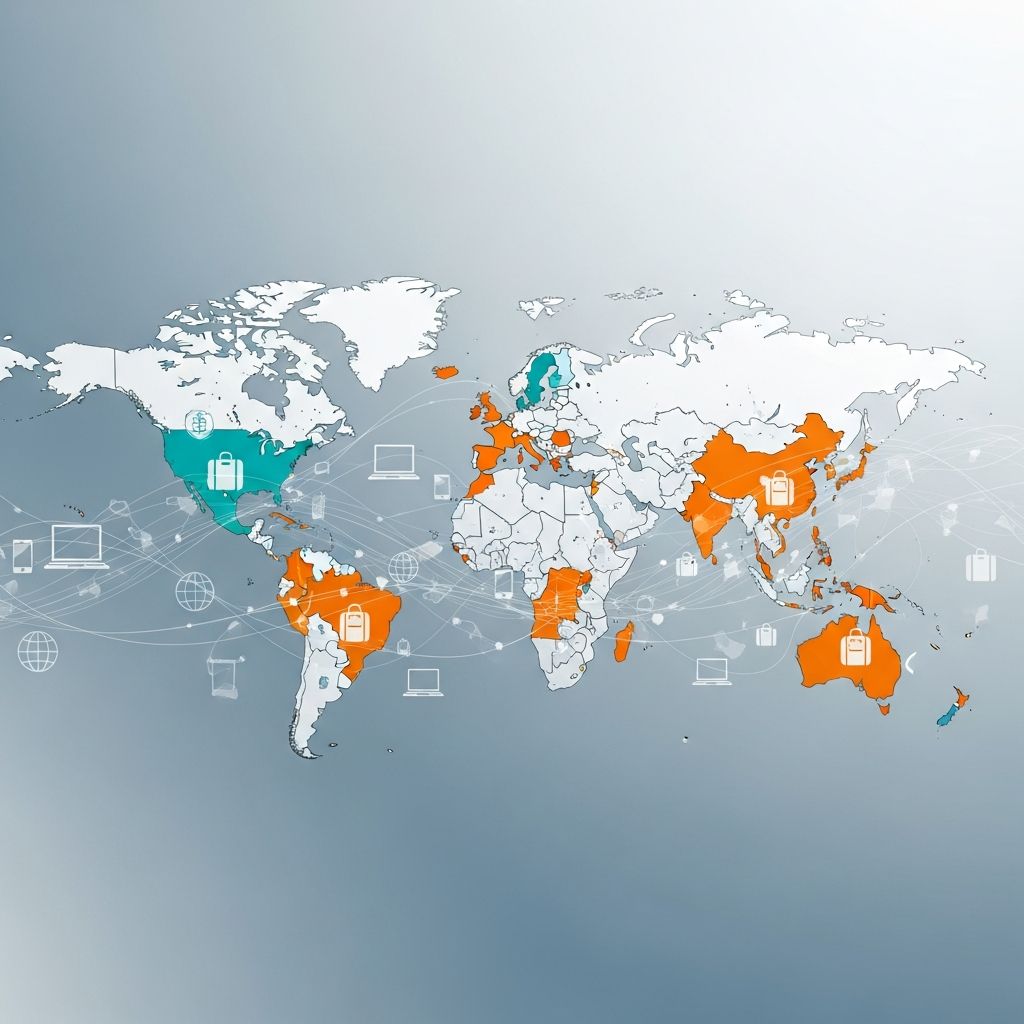
The digital nomad lifestyle has transformed the way professionals work, enabling them to live and work from anywhere in the world. As remote work continues to gain prominence, more countries are recognizing the economic potential of attracting skilled digital workers by introducing specialized visa programs. In 2025, over 66 countries now offer digital nomad visa options, with new programs being announced regularly. These visas represent a significant shift in immigration policy, allowing remote professionals to legally reside in foreign countries while maintaining their international employment.
What Is a Digital Nomad Visa?
A digital nomad visa is a temporary resident visa specifically designed for individuals who work remotely for employers or clients based outside their country of residence. Unlike traditional work visas that require sponsorship from a local employer, digital nomad visas acknowledge that modern professionals can contribute economically to a country without taking local jobs. These visas typically require applicants to demonstrate a stable income from foreign sources, maintain comprehensive health insurance, and sometimes pass background checks. Most digital nomad visas are valid for one year and often renewable, providing flexibility for those exploring multiple destinations throughout their remote work career.
European Digital Nomad Visa Leaders
Portugal: A Top Destination for Remote Workers
Portugal remains one of the most popular digital nomad destinations in Europe, offering an affordable lifestyle combined with excellent infrastructure and a welcoming environment. The Portuguese Digital Nomad Visa is a national visa (type D) that allows remote workers to stay for up to one year, with the possibility of renewal. The country attracts remote professionals with its favorable climate, vibrant culture, and growing digital nomad community. Living costs in major cities like Lisbon remain significantly lower than comparable destinations in Northern Europe, making Portugal particularly appealing for those on moderate budgets.
Spain: Comprehensive European Option
Spain’s digital nomad visa, formally launched in 2023 under its Startup Act, stands out as one of Europe’s most comprehensive programs. Remote workers can stay for up to five years with access to Spain’s public services and social infrastructure. The visa requires applicants to show remote employment with a qualifying foreign company and prove financial self-sufficiency with a monthly income requirement of approximately $2,762 (200% of Spanish minimum wage). The consular fee is approximately $73, plus an additional $80 for NIE (Spanish identification number) registration. Spain’s accessibility to Schengen countries and its digital society benefits make it an attractive option for long-term digital nomads.
Italy: Premium Lifestyle Option
Italy offers a digital nomad work visa specifically designed for highly skilled professionals who work remotely for non-Italian companies. The program allows remote workers to enjoy life in iconic cities such as Rome and Florence for up to one year. Applicants must meet minimum income thresholds and maintain comprehensive health insurance coverage. Italy’s rich cultural heritage, exceptional cuisine, and world-class lifestyle appeal to many digital nomads willing to invest in a premium European experience.
Croatia: Tax-Exempt Digital Nomad Haven
Croatia has emerged as a unique choice among European digital nomad destinations, particularly due to its tax exemption policy. As of 2025, Croatia’s digital nomad visa offers up to 18 months of stay on a single permit, with the option to renew once, allowing up to three years total. One of Croatia’s most distinctive features is that it exempts digital nomads from paying local income tax during their stay—a rare benefit rarely offered elsewhere in Europe. The country combines historic coastal cities like Split, Zadar, and Zagreb with a growing digital nomad community, coworking spaces, and co-living options. Additionally, visa holders enjoy visa-free travel across the Schengen Area while their permit remains valid.
Estonia: Tech-Forward Pioneer
Estonia positioned itself as a pioneer in e-residency and digital work infrastructure, making it an excellent choice for tech-savvy remote workers. The Estonian nomad visa allows remote workers to stay for up to one year and appeals to those drawn to efficient bureaucracy and tech-forward policies. The country’s robust digital infrastructure and business-friendly environment create an ideal setting for digital professionals.
Germany: Freelancer and Self-Employed Visa
Germany offers a specialized freelance visa designed for self-employed professionals and freelancers seeking long-term stays in vibrant cities like Berlin or Hamburg. This program requires applicants to provide contracts with international clients and a detailed business plan demonstrating financial viability. The German freelance visa represents an excellent opportunity for solo entrepreneurs and independent contractors.
Greece and Malta: Mediterranean Options
Greece offers a one-year digital nomad visa (renewable) with relatively moderate income requirements, ideal for those seeking a Mediterranean lifestyle with strong infrastructure and affordable living costs. Malta’s Nomad Residence Permit, valid for one year and renewable, specifically targets non-EU citizens who work remotely. Malta’s strong internet network, English-speaking population, and tax-neutral status for remotely earned income make it particularly attractive for English-speaking professionals. The visa costs approximately $316 annually with income requirements of $2,850 per month.
Asian Digital Nomad Destinations
Thailand: The Digital Nomad Capital
Thailand holds the distinction of being the digital nomad capital of the world, with Chiang Mai earning particular recognition among remote workers. After the COVID-19 pandemic, Thailand introduced the Long Term Residence Visa, which allows remote workers to stay for up to a decade. However, this visa is highly selective with stringent restrictions compared to other more accessible options. Thailand’s combination of ultra-low living costs, excellent food, cultural attractions, and established digital nomad infrastructure makes it perpetually popular among location-independent professionals.
Japan: Emerging High-Income Opportunity
Japan is planning a new digital nomad visa aimed at high-income earners launching in 2025, positioning itself as an emerging destination for tech workers and remote professionals. This initiative reflects Japan’s recognition of the value international digital talent can bring to its economy while allowing remote professionals to immerse themselves in Japanese culture while continuing their careers.
Americas Digital Nomad Programs
Panama: Quick Processing and Tax Benefits
Located in Latin America, Panama offers the Digital Nomad Visa, also called the Short-Term Remote Worker Visa, with notably quick processing times ranging from three to eight months. A significant advantage is that Panama does not charge income tax on digital nomad visa holders. The visa is valid for nine months, extendable once, and requires applicants to be employed by foreign companies or be self-employed with clients abroad.
Costa Rica: One-Year Renewable Program
Costa Rica offers a digital nomad visa allowing remote workers to live and work in the country for up to one year, with a possible one-year extension. Like Panama, Costa Rica does not require digital nomads to pay taxes. The program targets individuals working for foreign companies or clients, and participants are explicitly prohibited from working for businesses based within Costa Rica.
Antigua and Barbuda: Caribbean Gateway
Strategically located in the Caribbean, Antigua and Barbuda attracts digital nomads seeking relaxing destinations surrounded by natural beauty and comfort. Launched in 2020, the Antigua Nomad Digital Residence program accommodates any foreigner planning to move to the country for up to two years while working remotely for companies and clients registered outside Antigua and Barbuda.
Emerging and Special Programs
Turkey: Recent Digital Nomad Visa Introduction
Turkey introduced an official Digital Nomad Visa in April 2024 for remote workers aged 21-55 from 36 eligible countries, including the United States, Canada, European Union nations, and the United Kingdom. Applicants must work for foreign employers or be self-employed abroad, hold a university degree, and earn a minimum monthly income of $3,000 USD ($36,000 annually). This visa enables remote work while living in vibrant locations like Istanbul, Izmir, and Turkey’s picturesque coastal regions.
El Salvador: Upcoming 2025 Launch
El Salvador is preparing a digital nomad visa set to launch in mid-2025, aiming to attract remote professionals with favorable income and healthcare standards. Known for its surfing beaches and rapidly developing tech scene, El Salvador represents an emerging hotspot for digital workers. Expected requirements include monthly income between $2,500 and $3,000, with a likely 12-month renewable visa duration.
Bulgaria: Affordable Eastern European Option
Bulgaria has recently launched a Digital Nomad/Freelancer Program in 2025, offering a Type D Visa through a freelance permit from the Employment Agency. The country offers a vibrant mix of historical charm, mountainous terrain, and Black Sea beaches at significantly more affordable costs compared to Western Europe. Sofia, Bulgaria’s capital, is quickly becoming a hub for remote workers thanks to its growing tech scene and friendly expat communities, complemented by rich cultural heritage and delicious cuisine.
Dubai (UAE): Luxury Remote Work Destination
Dubai offers a one-year remote work visa requiring proof of steady income and health insurance. The emirate provides top-tier infrastructure, luxury amenities, and notably does not impose income tax on residents. This makes Dubai particularly attractive for high-income remote professionals seeking premium facilities and tax efficiency.
Comparing Digital Nomad Visa Requirements
| Country | Duration | Monthly Income Requirement | Visa Cost | Tax on Remote Income |
|---|---|---|---|---|
| Portugal | 1 year (renewable) | Varies | Varies | Applicable |
| Spain | Up to 5 years | $2,762 | $153 | Applicable |
| Malta | 1 year (renewable) | $2,850 | $316 | Exempt if taxed abroad |
| Croatia | 18 months (up to 3 years) | Varies | Varies | Exempt |
| Panama | 9 months (extendable) | Varies | Varies | Exempt |
| Thailand | Up to 10 years | High (selective) | Varies | Applicable |
| Turkey | 1 year | $3,000 | Varies | Applicable |
Which Country Is Best for a Digital Nomad Visa?
The best digital nomad countries in 2025 typically balance affordability, infrastructure, and visa flexibility. Portugal, Spain, and Mexico consistently top rankings for their quality of life, reliable internet connectivity, and relatively straightforward visa processes. However, the optimal choice depends on individual priorities. Those seeking tax benefits should prioritize Croatia, Panama, or Costa Rica. Digital nomads prioritizing long-term stays might prefer Spain with its five-year option or Thailand’s ten-year possibility. Budget-conscious travelers gravitate toward Mexico, Thailand, and Colombia, where living costs remain exceptionally low while maintaining excellent digital nomad infrastructure and established communities.
What Is the Cheapest Country to Live In With a Digital Nomad Visa?
For budget-conscious digital nomads, Colombia, Mexico, and Thailand represent optimal choices, offering low living costs, thriving remote work communities, and accessible visa programs. In these countries, remote workers can sustain comfortable lifestyles on modest monthly budgets while accessing quality coworking spaces, reliable internet, and well-established digital nomad networks. Monthly expenses in these destinations often range from $500 to $1,200 for comfortable living, compared to $2,000-$4,000 in European alternatives. This significant cost differential allows professionals to extend their runway, save aggressively, or reinvest earnings into business development.
Frequently Asked Questions
Q: How many countries currently offer digital nomad visas?
A: As of 2025, over 66 countries offer digital nomad visa programs, with new countries announcing programs regularly. This number continues to grow as more nations recognize the economic benefits of attracting remote workers.
Q: What are typical income requirements for digital nomad visas?
A: Income requirements vary significantly by country. European countries typically require between $2,500 to $3,762 monthly, while some Asian destinations have more flexible or no specific requirements. Some countries focus on demonstrating financial stability rather than exact income thresholds.
Q: Can I renew my digital nomad visa?
A: Most digital nomad visas are renewable. Renewal policies vary by country—some allow single renewals extending stays by an additional year, while others permit multiple consecutive renewals. Spain’s five-year option and Thailand’s ten-year program represent longer-term options without requiring annual renewal.
Q: Do I pay taxes on remote income with a digital nomad visa?
A: Tax treatment varies considerably. Some countries like Croatia, Panama, and Costa Rica exempt digital nomads from local income tax. Others, particularly European nations like Spain and Italy, may require taxation on worldwide income. Tax residency rules in your home country may also apply, making professional tax advice essential.
Q: What are the main requirements for digital nomad visas?
A: Common requirements include proof of remote employment with foreign companies, demonstrated monthly income meeting country-specific thresholds, comprehensive health insurance, clean criminal background checks, and sometimes proof of accommodation. Requirements vary by country and program.
Q: Can I work for local companies with a digital nomad visa?
A: No. Digital nomad visas specifically prohibit employment with companies based in the host country. These visas are designed for individuals working remotely for foreign employers or international clients. Violating this restriction can result in visa cancellation and legal consequences.
Q: Which digital nomad visa is easiest to obtain?
A: Malta and Bulgaria offer relatively straightforward application processes, though they can be completed remotely with proper documentation. Portugal and Bulgaria also have accessible programs. The “easiest” option depends on meeting each country’s specific requirements and having proper documentation readily available.
References
- Top 21 Countries With Digital Nomad Visas in 2025 — Rippling. 2025. https://www.rippling.com/blog/countries-with-digital-nomad-visas
- 73 Digital Nomad Visa Countries in 2025 — Citizen Remote. 2025. https://citizenremote.com/blog/digital-nomad-visa-countries/
- Top 13 Countries with Digital Nomad Visas in 2025 — Get Golden Visa. 2025. https://getgoldenvisa.com/digital-nomad-countries
- Ultimate Guide to the Digital Nomad Visa — Global Citizen Solutions. 2025. https://www.globalcitizensolutions.com/digital-nomad-visa/
- Digital Nomad Index by VisaGuide – 2025 Updated Rankings — VisaGuide World. 2025. https://visaguide.world/digital-nomad-visa/digital-nomad-index/
Similar Articles








Read full bio of Sneha Tete