Counter Checks: Definition, Uses & How They Work
Complete guide to counter checks: What they are, when to use them, and alternatives.

Understanding Counter Checks: A Complete Guide
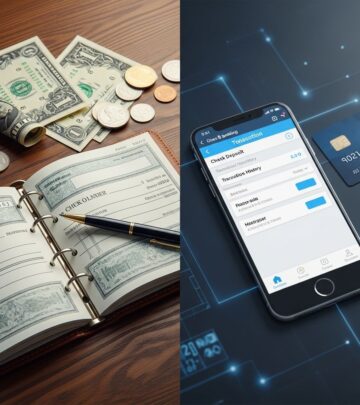
In today’s digital age, where electronic payments and mobile apps dominate the financial landscape, traditional checks still play a vital role in many transactions. Yet situations arise when you need a check immediately but don’t have one on hand. This is where counter checks come into play. Counter checks, also known as temporary checks or starter checks, are a practical solution offered by banks to help customers complete payments when personal checks are unavailable. Whether you’ve recently opened a new account, run out of your pre-printed checks, or face an unexpected payment need, understanding counter checks can help you navigate banking challenges more effectively.
What Exactly Are Counter Checks?
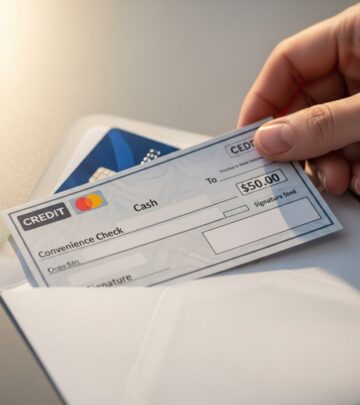
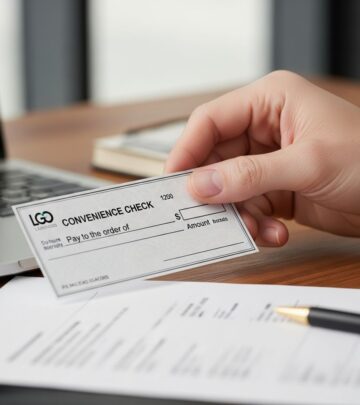
Counter checks are temporary checks issued directly by your bank that contain your account information and the bank’s routing number. They function similarly to your personal checks and are typically valid for six months, just like standard checks. The key difference is that counter checks are plain and unpersonalized, lacking the customized design and pre-printed personal information found on regular checkbooks.
These checks are called “counter checks” because they are traditionally obtained at the counter of your bank branch. They serve as an interim solution while you wait for your personalized checkbook to arrive or when you need immediate access to check-writing capabilities. When you request counter checks, you’ll need to provide identification and may be charged a small fee, which typically ranges from around $1 per counter check to as much as $3 per page of checks.
Unlike pre-printed checks that come with your name and address already printed, counter checks require you to fill in personal information on designated lines. This basic format includes your account details and routing number but leaves space for you to write in your address and other identifying information as needed.
When Should You Use Counter Checks?
Counter checks prove useful in several specific situations. Understanding when to use them can help you make informed decisions about your payment methods.
You’re Out of Personal Checks
The most common scenario is when you’ve exhausted your supply of personalized checks before your new checkbook arrives. Rather than wait days or weeks for a new order, counter checks provide an immediate alternative to complete essential payments.
You Recently Opened a New Account
When establishing a new checking account, there’s typically a delay before your customized checks are printed and delivered. Counter checks bridge this gap, allowing you to pay bills that are due before your personal checks arrive.
Emergency or Urgent Payments
If you need to make an immediate payment and don’t have access to electronic payment options, counter checks offer a quick solution without the wait time associated with ordering new checks.
You’re Traveling
Situations arise when you’re away from home and realize you need to pay someone by check but left your checkbook behind. A nearby branch of your bank can issue counter checks on the spot, solving your immediate payment need.
Account Closure or Fund Transfers
When closing a bank account or transferring funds to another institution, counter checks allow you to withdraw the exact amount remaining and properly document the transaction.
Large Purchases Requiring Check Payment
Some sellers still require payment by check for significant purchases. If you don’t have personalized checks available, counter checks provide the necessary banking details to complete the transaction.
Meeting Specific Bank Requirements
Certain banking transactions, such as opening new accounts or processing wire transfers, may require a check for processing fees or initial deposits. Counter checks fulfill these requirements when personal checks aren’t available.
How Counter Checks Differ From Other Check Types
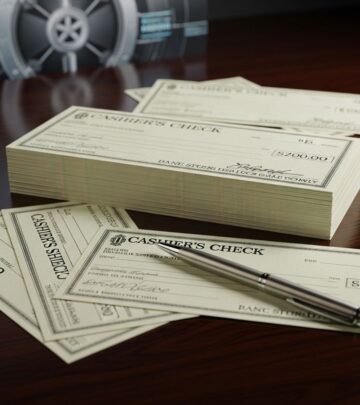
Counter Checks vs. Cashier’s Checks
It’s essential to understand the distinction between counter checks and cashier’s checks, as they serve different purposes. While both are issued by your bank, they operate fundamentally differently.
| Feature | Counter Check | Cashier’s Check |
|---|---|---|
| Funds Source | Your personal account | Bank’s funds (guaranteed by the bank) |
| Acceptance | Not widely accepted | Widely accepted as highly secure |
| Amount Specification | Printed without specified amount | Printed with recipient and amount |
| Who Writes It | You write the check | Bank cashier writes the check |
| Typical Fees | Around $1 per check | Around $10 to $20 per check |
Cashier’s checks are drawn from the bank’s own funds rather than your personal account, making them more secure and widely accepted. Because the bank guarantees the funds, cashier’s checks are preferred for large transactions, legal settlements, and formal payments. However, this added security comes with higher fees, making them less economical for routine payments.
Counter Checks vs. Certified Checks
Certified checks offer another alternative to counter checks. A certified check is issued by your bank and guarantees that funds from your personal account are available. The bank officially stamps the check to confirm the funds, and the money is set aside when the check is issued. This means the check won’t bounce, providing peace of mind for the recipient while remaining more affordable than a cashier’s check.
Advantages of Counter Checks
Counter checks offer several compelling benefits that make them attractive in specific situations:
- Immediate Availability: You can obtain counter checks on the spot at your bank branch without waiting for mail delivery.
- Function Like Personal Checks: They work exactly like your regular checks, drawing from your personal account.
- Cost-Effective: With fees typically ranging from $1 to $3 per check or page, they’re significantly cheaper than cashier’s checks or certified checks.
- No Pre-Numbering: Unlike regular checks, counter checks often come without sequential numbering, which some customers prefer for privacy reasons.
- Flexible Use: You can use them for various purposes including bill payments, purchases, and account withdrawals.
Disadvantages of Counter Checks
Despite their convenience, counter checks have notable limitations:
- Limited Acceptance: Not all merchants and organizations accept counter checks due to their lack of personalization and standard security features.
- Lack of Personalization: The plain appearance and missing pre-printed information may raise concerns among recipients about legitimacy.
- Manual Information Entry: You must fill in personal details normally pre-printed on regular checks, making the process more time-consuming.
- Accumulating Fees: If you frequently need counter checks, the fees can add up significantly over time.
- Security Concerns: The lack of security features makes them less suitable for large or formal transactions.
How to Obtain Counter Checks
Getting counter checks is a straightforward process. Visit your bank branch in person and request counter checks at the customer service desk. You’ll need to provide a valid photo identification to verify your identity and account ownership. The bank representative will process your request and provide you with the counter checks, typically on the same day. Be prepared to pay the associated fee, which varies by bank but generally ranges from $1 to $3 per check or per page of checks.
Some banks may allow you to order counter checks online through your account, with options for in-branch pickup or mail delivery. Check with your specific bank about available options and their fee structures.
Alternatives to Counter Checks
If counter checks don’t suit your needs, several alternatives are available:
Online Bill Pay
Most banks offer online bill payment services that allow you to pay directly from your account without using physical checks. This method is secure, convenient, and often free.
Mobile App Payment Services
Peer-to-peer payment apps like Venmo, Cash App, PayPal, Google Pay, and Zelle enable quick fund transfers without requiring checks. These apps are widely used and convenient for payments between individuals.
Money Orders
Money orders are prepaid payment instruments available at banks, post offices, and retail stores. They’re widely accepted and provide a secure alternative to personal or counter checks for making payments.
Certified Checks
For transactions requiring guaranteed funds and added security, certified checks are an excellente option. They’re more widely accepted than counter checks and guarantee payment to the recipient.
Cashier’s Checks
For large transactions or situations requiring the highest level of security, cashier’s checks are the gold standard. While more expensive, they’re universally accepted and provide complete payment guarantees.
Payment Over the Phone
Many companies and service providers accept phone payments directly from your checking account. This eliminates the need for checks entirely.
FAQs About Counter Checks
Q: How long are counter checks valid?
A: Counter checks are typically valid for six months from the date of issue, just like standard personal checks. After six months, banks may refuse to honor them.
Q: Can I use counter checks for large transactions?
A: While technically possible, counter checks are not recommended for large transactions due to their limited acceptance and lack of security features. Cashier’s checks or certified checks are better suited for substantial payments.
Q: Are counter checks traceable?
A: Counter checks are traceable through your bank account, just like regular checks. They contain your account information and routing number, allowing the bank to process and track them.
Q: Can counter checks bounce?
A: Yes, counter checks can bounce if your account has insufficient funds, just like personal checks. They are drawn directly from your account, making them subject to the same limitations.
Q: Are counter checks safe to use?
A: Counter checks are reasonably safe for routine payments, but they may not be accepted everywhere. For security-sensitive transactions, certified or cashier’s checks are safer alternatives.
Q: Do all banks offer counter checks?
A: Most banks offer counter checks as a standard service, but availability and fees vary. Contact your bank directly to confirm their counter check policies and pricing.
Best Practices for Using Counter Checks
When using counter checks, follow these guidelines for success. Always fill in all required information legibly, including the date, payee name, amount in both numbers and words, and your signature. Write only on the designated lines to maintain a professional appearance. Keep accurate records of counter checks you’ve written, as they draw from your personal account just like regular checks. Only use counter checks when absolutely necessary, as some recipients may be hesitant to accept them. Finally, have a backup plan ready, such as online bill pay or mobile payment options, in case a counter check is rejected.
Conclusion
Counter checks represent a practical, cost-effective solution for situations where you need immediate check-writing capability but don’t have personal checks available. Whether you’re awaiting a new checkbook, recently opened an account, or face an unexpected payment need, counter checks can bridge the gap. However, understanding their limitations regarding acceptance and security is crucial. For routine payments and temporary needs, counter checks work well. For large transactions, formal payments, or situations requiring guaranteed funds, alternatives like certified checks, cashier’s checks, or electronic payment methods are more appropriate. By knowing when and how to use counter checks effectively, along with understanding available alternatives, you can navigate various payment scenarios with confidence and efficiency.
References
- Counter Checks: What Are They & How Do They Work? — SoFi Learn. 2024. https://www.sofi.com/learn/content/what-is-a-counter-check/
- What Is a Counter Check, and How Do You Get One? — The Muse. 2024. https://www.themuse.com/advice/what-is-a-counter-check
- Five Common Types of Checks — Chase Bank. 2024. https://www.chase.com/personal/banking/education/basics/five-common-types-of-checks
- Check Processing and Banking Standards — Federal Reserve System. 2024. https://www.federalreserve.gov/
Similar Articles








Read full bio of Sneha Tete