Cottage Industry: Definition, History & Modern Examples
Understanding cottage industries: small-scale manufacturing from home workshops to modern digital platforms.
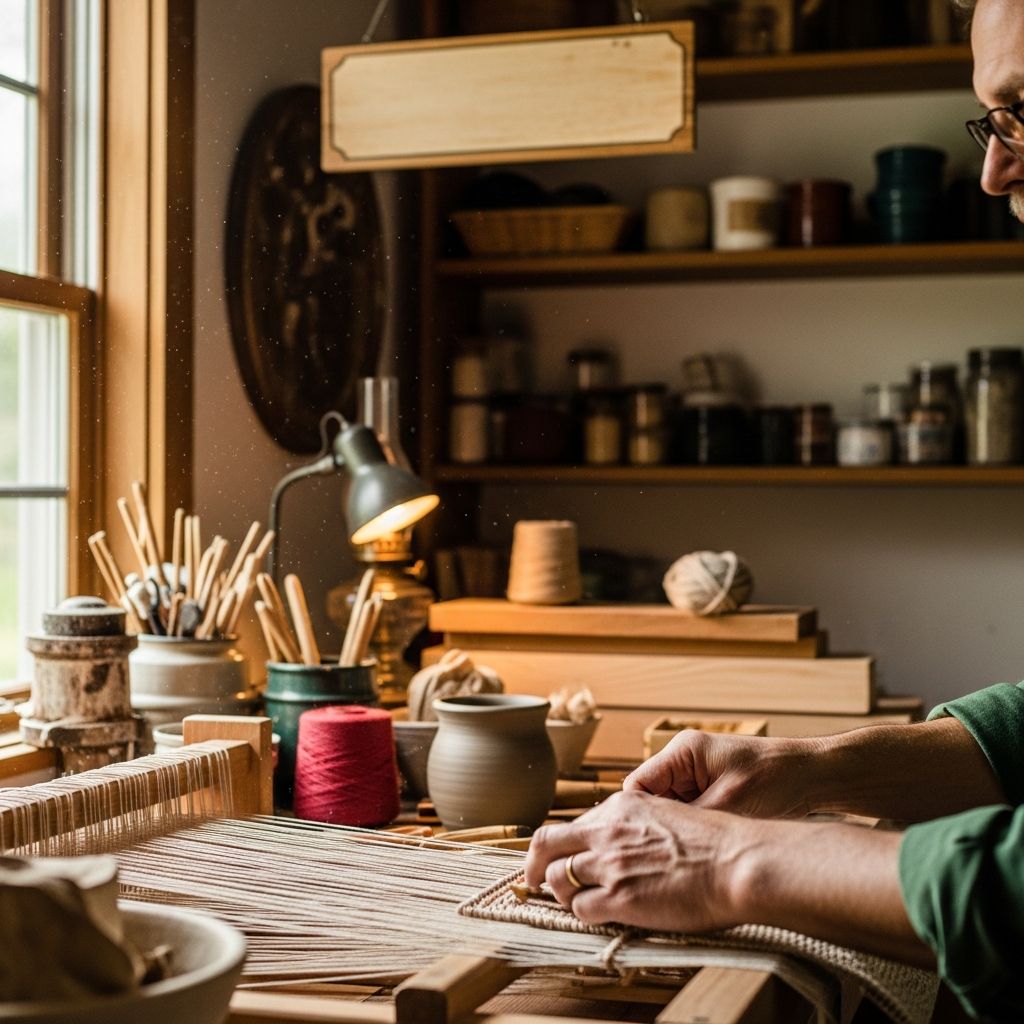
A cottage industry refers to a small-scale manufacturing business typically operated from a home, small workshop, or rural setting by skilled craftsmen and artisans. The term encompasses various production systems where goods are created using personal equipment and resources rather than in large-scale factory settings. This decentralized approach to production has shaped economies for centuries and continues to thrive in contemporary markets, particularly through digital platforms that connect artisans with global audiences.
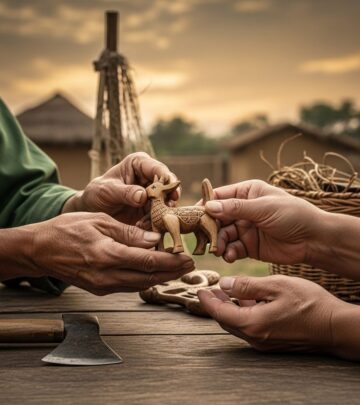
The concept of cottage industry represents a fundamental shift in how goods are produced and distributed. Unlike industrial manufacturing that emphasizes mass production and centralized facilities, cottage industries prioritize quality, customization, and traditional craftsmanship. These small businesses often operate within communities or families, maintaining close relationships between producers and consumers while preserving time-honored production methods.
Understanding the Definition and Core Concepts
At its essence, a cottage industry is characterized by small-scale production that emphasizes personalized craftsmanship and attention to detail. The defining features include operation from home or small workshops, utilization of traditional techniques, and focus on niche markets that value uniqueness and quality over mass-produced alternatives. This model allows skilled artisans to control the entire production process, from raw material selection to final product delivery.
The historical term “putting-out system” describes the common practice where merchants provided raw materials to rural workers who produced finished goods in their homes. The merchant would subsequently collect these finished items for distribution in local markets. This system proved particularly effective in rural areas where populations couldn’t easily access centralized factories.
Historical Development and Evolution
Pre-Industrial Revolution Era
Before the Industrial Revolution transformed manufacturing, cottage industries constituted the primary production methodology throughout human history. Most goods were produced by craftsmen working from home or small workshops, with producers often combining agricultural work with manufacturing. This arrangement proved advantageous for farm workers who could continue producing food while fulfilling manufacturing orders during periods between planting and harvest seasons.
During the Middle Ages, cottage industries flourished particularly in clothing and textile production. The spinning and weaving of wool and other fibers occurred in homes, contributing significantly to local economic development. Silk weaving extended this practice across Asian and European countries, establishing cottage industries as fundamental economic pillars in pre-industrial societies.
Impact of the Industrial Revolution
The Industrial Revolution fundamentally transformed manufacturing practices, initiating a gradual shift from cottage production to centralized factory systems. However, this transition occurred in stages rather than instantaneously. Many products transitioned between cottage and industrial production gradually, with different stages of manufacturing moving to factories at different times.
Consider textile production as an example: initially, large factories produced fabric from raw cotton, linen, or wool, then sold these textiles to cottage producers who completed remaining steps. When the sewing machine was invented, the entire process became fully industrialized, with separate factories producing fabric, buttons, and other components before assembly in centralized facilities. This centralization dramatically increased production capacity while reducing costs through economies of scale.
The transition to industrial production benefited from improved division of labor and steady workforces concentrated in factory settings. However, cottage industries persisted in areas valuing handmade goods and specialized products that maintained profitability through niche markets rather than mass production.
How Cottage Industries Operate
Production Methods and Structure
Cottage industries operate on the principle of decentralization, maintaining flexibility in production scale and customization. These businesses typically employ family members or close-knit community groups, allowing for direct oversight and quality control throughout the production process. Artisans utilize their own equipment and resources, eliminating substantial capital investment requirements associated with factory operations.
The production process in cottage industries often emphasizes handcrafted techniques and personalized attention to detail. Unlike factory systems where standardization and efficiency drive production decisions, cottage industries prioritize quality and uniqueness. This approach enables producers to serve niche markets where customers value authenticity and individual craftsmanship over standardized mass-produced alternatives.
Economic Advantages
Cottage industries offer several distinct economic advantages that continue attracting entrepreneurs and artisans. These include minimal startup costs compared to factory operations, flexibility in production scheduling, ability to work from home or small workshops, and the capacity to generate income while maintaining other occupations. For rural populations historically, cottage industries provided crucial supplementary income sources without requiring migration to urban factory centers.
The distributed nature of cottage industries enables production across extensive geographic areas without requiring population concentration in industrial centers. This decentralization particularly benefited pre-industrial societies where most populations lived in farming villages far from urban manufacturing hubs.
Examples of Cottage Industries
Traditional Textile and Garment Production
Textile production remains one of the most prominent cottage industry examples, with handloom weavers and silk weavers throughout South America and Asia producing intricately crafted fabrics appreciated for artistic value and quality. Garment-making represents another significant example, with artisans operating from home workshops to produce distinctive clothing designs emphasizing quality and aesthetic detail rather than volume production.
Carpet and Rug Making
Skilled artisans in countries like India and Turkey create exquisite carpets using traditional techniques in cottage industry settings. These handcrafted carpets command premium prices in niche markets due to their superior quality, unique designs, and the visible craftsmanship evident in each piece.
Contemporary Cottage Industries
Modern examples include jewelry making, woodworking, pottery, leatherworking, and various artistic crafts. Digital platforms have expanded opportunities for contemporary cottage industry producers to reach global audiences, transforming how traditional craftsmanship reaches consumers worldwide.
Advantages and Disadvantages
Key Advantages
Cottage industries provide numerous benefits to producers and local economies:
- Low startup and operating costs compared to factory systems
- Flexibility in production scheduling and business operations
- Ability to maintain traditional production methods and craftsmanship
- Direct relationship between producers and customers
- Opportunity for home-based income generation
- Preservation of cultural heritage and traditional skills
- Environmental benefits through reduced transportation and industrial waste
Significant Challenges
Despite their advantages, cottage industries face considerable challenges in contemporary markets:
- Difficulty competing with industrial-scale production on price
- Limited access to capital for business expansion
- Inconsistent product availability and production capacity
- Challenges in reaching broader markets without digital platforms
- Limited economies of scale compared to factory operations
- Difficulty maintaining consistent quality across production runs
The Modern Resurgence of Cottage Industries
Digital Platform Revolution
The internet has catalyzed a significant resurgence in cottage industry production, particularly through platforms like Etsy that connect artisans directly with global consumers. These digital marketplaces have democratized access to international markets, enabling small producers to reach customers worldwide without requiring traditional retail infrastructure or distribution networks.
Social media platforms have similarly empowered cottage industry producers to showcase their unique creations and build direct customer relationships. This digital transformation aligns with growing consumer appreciation for authenticity, quality, and the stories behind products, reversing decades of declining cottage industry significance.
Changing Consumer Preferences
Contemporary consumer trends increasingly favor handmade and artisanal goods over mass-produced alternatives. This shift reflects broader preferences for sustainability, uniqueness, and ethical production practices. Consumers increasingly seek products reflecting individual craftsmanship and traditional production methods, creating renewed market demand for cottage industry goods.
Economic Significance in Developing Nations
Cottage industries maintain substantial economic importance in developing countries, providing employment opportunities particularly in rural communities where factory systems remain absent or underdeveloped. These industries enable individuals to utilize traditional skills and available resources to generate livelihoods while preserving cultural heritage and production methods.
Cottage Industries Versus Industrial Manufacturing
| Aspect | Cottage Industry | Industrial Manufacturing |
|---|---|---|
| Production Scale | Small-scale, limited production | Large-scale, high-volume production |
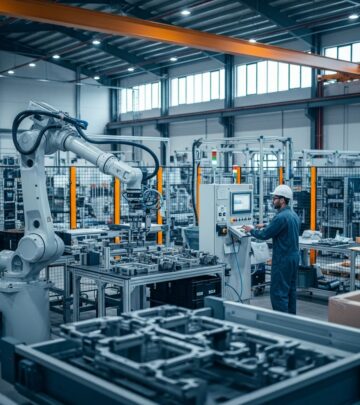
| Location | Home or small workshop | Centralized factory facilities |
| Customization | High customization and personalization | Standardized products |
| Production Methods | Traditional handcrafting techniques | Mechanized assembly lines |
| Startup Costs | Minimal capital investment required | Substantial infrastructure investment |
| Quality Focus | Emphasis on quality and uniqueness | Emphasis on consistency and efficiency |
| Market Reach | Initially local, now global via digital | Naturally suited for mass markets |
| Product Cost | Premium pricing for handcrafted items | Lower unit costs through economies of scale |
Frequently Asked Questions
What is the primary difference between cottage industries and factories?
The primary distinction lies in scale and methodology. Cottage industries operate on small scales from home or small workshops using traditional handcrafting techniques, while factories employ centralized production using mechanized processes. Cottage industries prioritize customization and quality, whereas factories emphasize volume and standardization.
Are cottage industries still economically viable in modern times?
Yes, cottage industries have experienced renewed viability through digital platforms and changing consumer preferences for handmade goods. Internet marketplaces have enabled artisans to reach global audiences, making cottage industries increasingly economically sustainable, particularly for specialized and custom products.
What types of products are typically produced in cottage industries?
Common cottage industry products include textiles, garments, carpets, jewelry, pottery, woodworking items, leather goods, and various artistic crafts. Essentially, any product that benefits from handcraftsmanship and customization can be produced within cottage industry settings.
How do cottage industries contribute to local economies?
Cottage industries generate employment, particularly in rural areas, preserve traditional skills and cultural heritage, reduce dependence on external factories, and contribute to local economic development. They enable individuals to generate income from home while maintaining community connections and cultural practices.
What role does the internet play in modern cottage industries?
The internet has revolutionized cottage industries by providing direct market access through platforms like Etsy, enabling global customer reach, reducing distribution barriers, and allowing artisans to tell their product stories through social media and digital marketing.
Can cottage industries compete with mass manufacturing?
Cottage industries compete in different market segments than mass manufacturing. While they cannot match factory pricing on standardized goods, they excel in niche markets valuing customization, quality, authenticity, and unique designs where consumers willingly pay premium prices.
References
- Cottage Industry – PersonalFinanceLab — PersonalFinanceLab. 2025. https://www.personalfinancelab.com/glossary/cottage-industry/
- Cottage Industry – Overview, How It Works, Examples — Corporate Finance Institute. 2025. https://corporatefinanceinstitute.com/resources/economics/cottage-industry/
- Cottage Industry | Economics — Britannica. 2025. https://www.britannica.com/topic/cottage-industry
Similar Articles








Read full bio of Sneha Tete