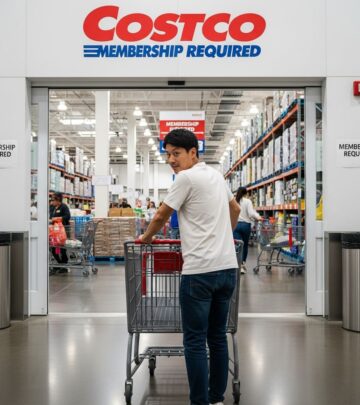
The Costco $1.50 Hot Dog: The Best Deal in Retail History
Explore why Costco's iconic $1.50 hot dog combo remains unchanged for four decades.
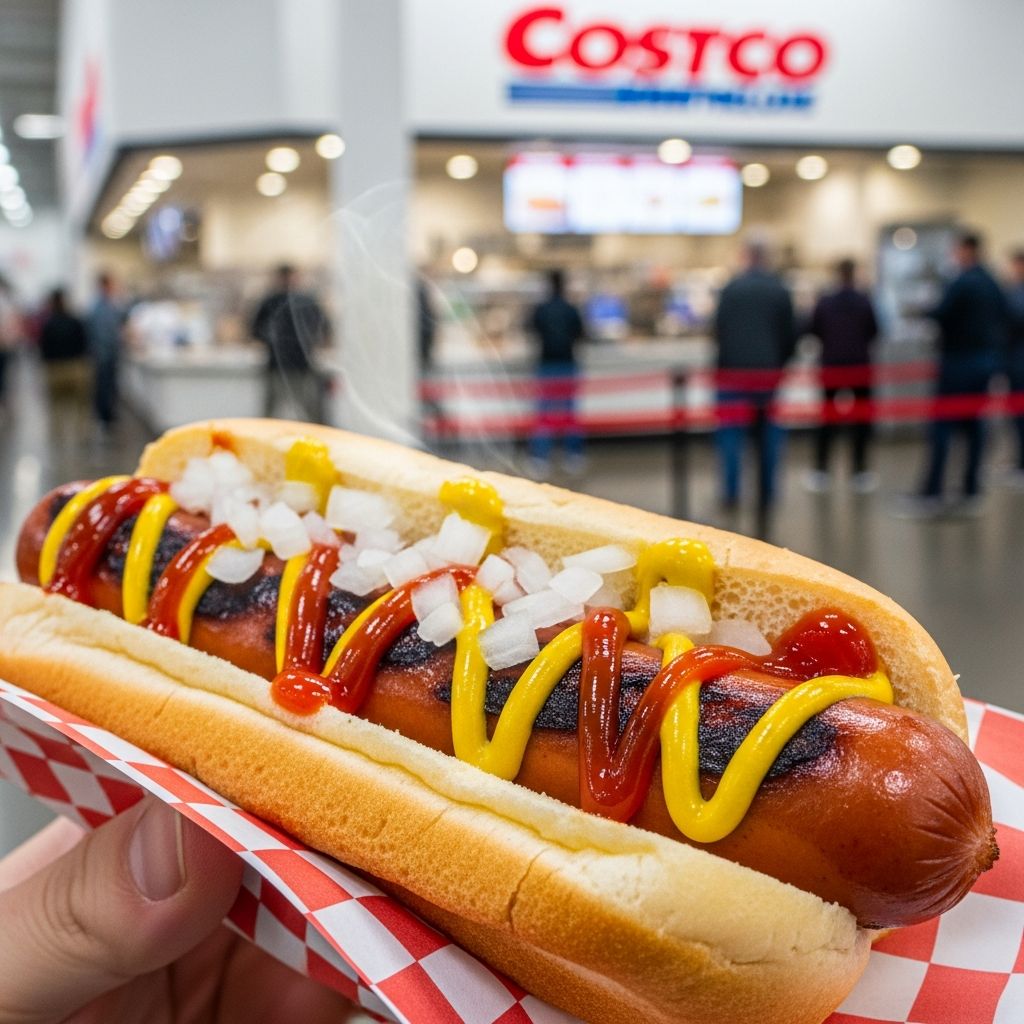
Introduction: A Retail Icon That Refuses to Change
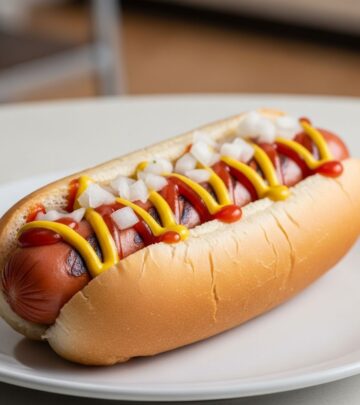
In an era of rising inflation and constantly climbing prices, there is one item that has remained virtually untouched since 1985: Costco’s famous hot dog and soda combo. At just $1.50, this meal represents one of the most stable and legendary deals in modern retail history. While prices for nearly everything else have surged approximately 112% over the past few decades, Costco’s hot dog combo has held firm at its original price point, becoming what some have called “the most stable commodity on earth.”
This unwavering commitment to affordability is not merely a business decision—it’s a cultural phenomenon that has shaped Costco’s brand identity and customer loyalty. In fact, the price is so sacred to the company that co-founder Jim Singal once threatened to “kill” the former CEO if he dared raise it, according to internal company lore. Understanding why Costco has made this commitment and how it manages to maintain profitability while doing so reveals fascinating insights into retail strategy, supply chain management, and customer psychology.
The History of Costco’s $1.50 Hot Dog Price
When Costco introduced the hot dog and soda combo in 1985, the $1.50 price point was already competitive. However, what makes this pricing decision remarkable is that it has never changed in nearly four decades. This consistency through multiple economic cycles, leadership changes, and market disruptions is virtually unprecedented in the retail industry.
The original hot dogs sold by Costco were kosher beef dogs sourced from Hebrew National, a premium supplier. As costs rose over the years, maintaining the $1.50 price became increasingly challenging. By 2009, the economics had shifted so dramatically that Costco made a bold decision: it brought hot dog production in-house rather than raise prices. This move demonstrated the company’s true commitment to the price point and its willingness to invest heavily in operational changes to preserve it.
Today, Costco sells nearly 200 million hot dogs annually from its food courts, making it one of the largest hot dog retailers in the world. This massive volume, combined with in-house production, allows the company to absorb costs that would typically force a price increase at other retailers.
How Costco Maintains Profitability at $1.50
In-House Production
The decision to build hot dog manufacturing plants was transformational. Costco constructed a facility outside Los Angeles to produce its Signature Kirkland hot dogs and later expanded with a second plant in the Chicago area. By controlling production, Costco eliminated middleman costs and quality concerns associated with external suppliers. This vertical integration allowed the company to maintain quality while reducing per-unit costs to sustainable levels.
Strategic Supplier Negotiations
Costco has also leveraged its massive purchasing power in other areas of the combo. When its contract with Coca-Cola came up for renewal, the company negotiated a switch to Pepsi to secure better pricing—though it has since returned to Coca-Cola products. Additionally, to navigate San Francisco’s tax on sugary drinks, Costco strategically limited its food court offerings to diet sodas and unsweetened tea in that market. These decisions reflect the company’s creative approach to maintaining the $1.50 price despite regulatory and cost pressures.
Volume Economics
The sheer volume of hot dogs sold enables Costco to operate on razor-thin margins that would be impossible for smaller retailers. By selling nearly 200 million units annually, Costco can distribute fixed costs across a massive customer base, making the $1.50 price economically viable.
Why Costco Won’t Raise the Price (Even Though It Could)
The Price as a Loss Leader and Brand Symbol
While the hot dog may operate at break-even or with minimal profit margins, it serves a critical strategic purpose: it signals to customers that Costco is committed to keeping prices low across all its offerings. As Costco CFO Gary Millerchip stated, “I also want to confirm the $1.50 hot dog price is safe.” This reassurance is not about the hot dog itself but about the brand promise Costco makes to its 120 million-plus members.
Former Costco CEO Jim Jelinek explained the importance of this messaging: “It’s the mindset. When you think of Costco, you think of the $1.50 hot dog.” This brand association is invaluable in a crowded retail market. Combined with other loss leaders like the $5 rotisserie chicken and strategically discounted televisions and appliances near the entrance, the hot dog combo reinforces Costco’s positioning as a retailer that truly values its customers.
Membership Model Dependency
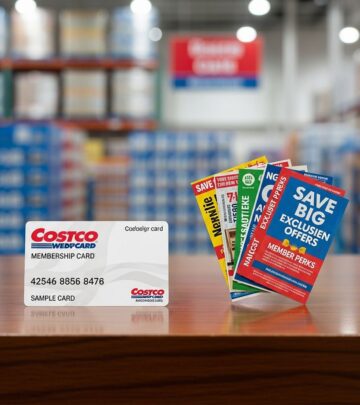
Understanding Costco’s business model is key to understanding why the company can afford to hold the line on hot dog prices. Costco’s membership fees—$60 annually for basic membership and $120 for premium—account for approximately two-thirds of the company’s profits. In fact, in several recent years, Costco would have reported a net loss without membership fee revenue.
This means the hot dog is not meant to be a profit center. Instead, it’s a customer acquisition and retention tool. When members see they can buy a quality meal for $1.50, they feel validated in their membership decision. The $60 annual fee suddenly seems like a bargain when you can recoup it through just a few strategic purchases, according to current CEO Ron Vachris.
Long-Term Customer Loyalty
The longer Costco maintains the $1.50 price, the more difficult it becomes to raise it. This price has become so embedded in customer expectations that any increase would trigger significant backlash. The company recognizes that the short-term profit gain from a price increase would be far outweighed by the long-term damage to brand loyalty and customer retention.
The Economic Reality: What the Hot Dog Would Cost With Inflation
To truly appreciate Costco’s commitment, consider what inflation would suggest the hot dog should cost today. Over the past four decades, prices have risen approximately 112% due to inflation. If the hot dog had followed this trajectory, it would cost roughly three times its current $1.50 price—approximately $4.50 or more. This inflation-adjusted price would still be competitive compared to standalone hot dog vendors in many cities, yet Costco has chosen to absorb the difference.
Costco’s Commitment: Statements from Leadership
Costco’s leadership has repeatedly affirmed the company’s dedication to the $1.50 price. Former CFO Richard Galanti declared the price “sacrosanct” and promised investors the price would remain fixed “forever.” When new CFO Gary Millerchip took over, he immediately reiterated this commitment during an earnings call with analysts, saying “the $1.50 hot dog price is safe.”
These explicit commitments from multiple CFOs underscore that this is not a temporary promotional tactic but a core component of Costco’s business strategy and brand identity.
What This Means for Savvy Shoppers
For consumers, the Costco hot dog represents genuine value in an inflationary environment. A quality hot dog and beverage for $1.50 is objectively a tremendous deal, especially when compared to:
- Fast-casual restaurants charging $8-12 for similar items
- Movie theater concessions at $12-15
- Convenience store pricing at $6-9
- Standalone hot dog vendors in urban areas at $4-7
Additionally, Costco’s commitment to holding this price serves as an indicator of the value proposition across the entire store. If Costco is willing to absorb inflation on hot dogs, shoppers can feel confident that the retailer is working to maintain competitive prices throughout its merchandise assortment.
Future Outlook: Will the Price Ever Change?
While Costco has not ruled out a future price increase, the company has made it clear that such a move would only occur under extraordinary circumstances. The current leadership team has reaffirmed the $1.50 commitment multiple times, and there are currently no plans to change it.
If costs ever became unsustainable, Costco’s track record suggests the company would exhaust all other options first—further optimizing the supply chain, adjusting product composition, or modifying the combo itself—before raising the price.
Frequently Asked Questions (FAQs)
Q: How long has the hot dog been $1.50?
A: Since 1985, nearly four decades. The price has not changed despite inflation of approximately 112% over this period.
Q: Does Costco make a profit on the hot dog?
A: Originally, Costco broke even or operated at a loss. However, after bringing production in-house in 2009, the company now turns a profit on the hot dog at the $1.50 price point.
Q: Why doesn’t Costco raise the price?
A: The $1.50 price is a cornerstone of Costco’s brand identity and customer loyalty strategy. It signals the company’s commitment to low prices and justifies the membership fee for customers.
Q: What if the cost of ingredients becomes prohibitive?
A: Costco has stated it would overhaul its supply chain or operations before raising the price. The company has already switched suppliers and brought production in-house to maintain the price.
Q: How many hot dogs does Costco sell annually?
A: Costco sells nearly 200 million hot dogs per year from its food courts, making it one of the largest hot dog retailers globally.
Q: Is the hot dog a good value?
A: Yes. Adjusted for inflation, the hot dog should cost approximately $4.50, making the $1.50 price an exceptional value compared to other food vendors.
References
- The story of Costco’s $1.50 hot dog price — Fortune. 2024-06-01. https://fortune.com/article/costco-promises-hot-dog-drink-combo-will-always-be-1-50/
- Why Costco REFUSES to Raise the Price of Its $1.50 Hot Dog — VinePair. 2025-10-08. https://www.youtube.com/watch?v=ns2JjoLwxZY
Similar Articles








Read full bio of medha deb