Costco Gold Bars: Record Demand Drives Sales Restrictions
Costco's gold bar sales hit record highs, prompting new purchase limits as precious metals become top sellers.
Costco’s Unexpected Gold Rush: How Precious Metals Became a Top Seller
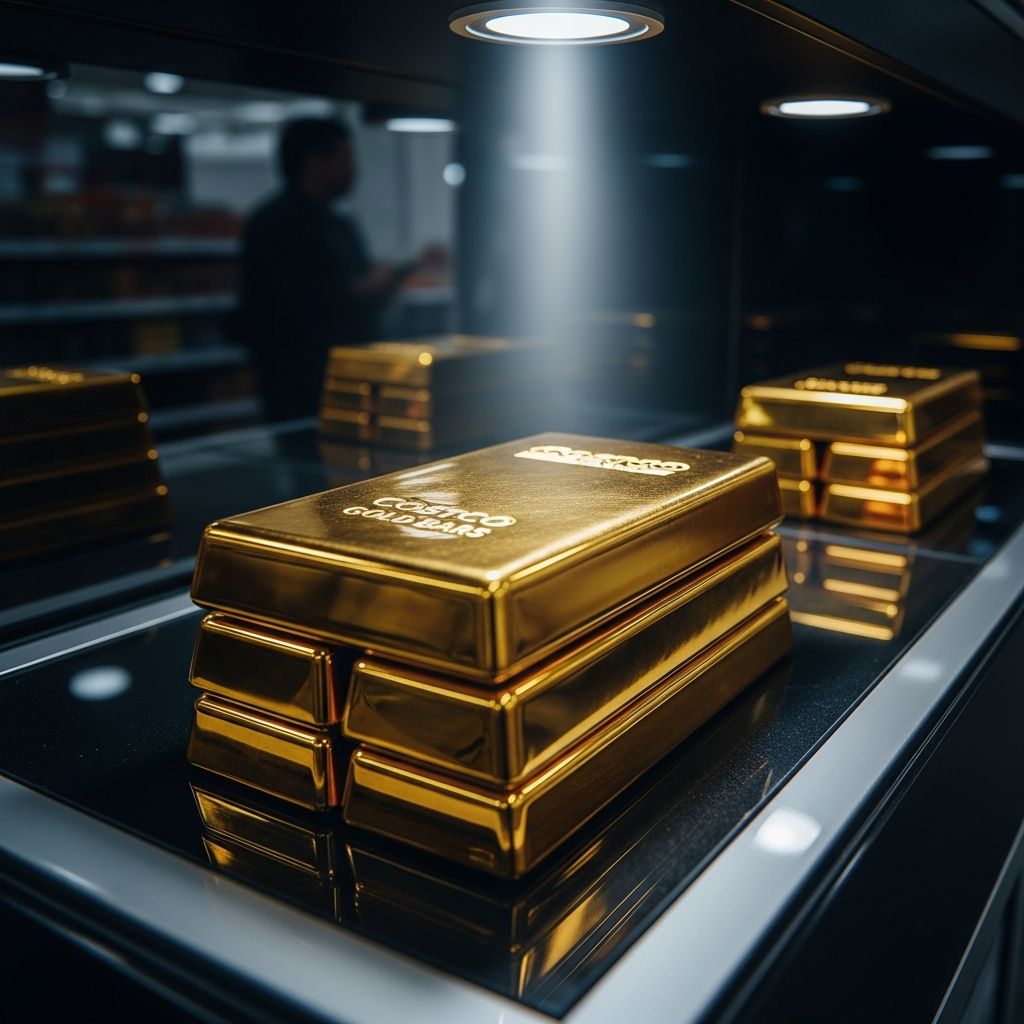
When Costco launched its gold bar sales in 2023, few anticipated that the warehouse club would transform into one of the nation’s most prolific precious metals retailers. Yet in just over two years, gold bars have evolved from a curious novelty to one of Costco’s most sought-after product categories. The company now reportedly generates between $100 million and $200 million in monthly revenue from gold and silver sales—a staggering figure that underscores the extraordinary appeal of physical precious metals in today’s economic climate. This meteoric rise has fundamentally changed how Costco operates, forcing the company to implement increasingly strict purchase restrictions to manage overwhelming demand and ensure equitable access for its membership base.
The Rise of Gold at Costco: From Launch to Phenomenon
Costco’s entry into the gold market represented a strategic departure from its core business model. Traditionally known for bulk groceries, household essentials, and consumer goods, the warehouse club surprised investors and shoppers alike by introducing 24-karat gold bars in 2023. The decision proved prescient. In the company’s first-quarter earnings report for 2025, Costco identified gold as one of its top-selling product categories, even among its broader inventory of hundreds of thousands of items. This recognition underscores not just the volume of gold sales, but their outsized importance to the company’s overall financial performance and e-commerce growth strategy.
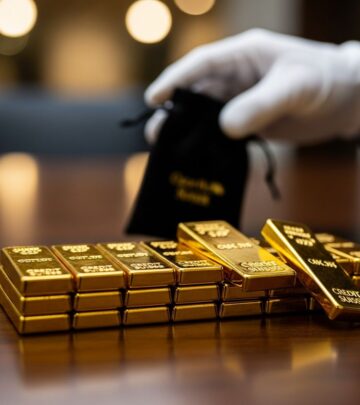
The initial reception was remarkably enthusiastic. Within the first quarter of 2023 alone, Costco sold approximately $100 million worth of gold bars, according to company reports. This early success validated management’s conviction that members would embrace the opportunity to purchase investment-grade precious metals through a trusted retailer. The bars offered, including products from Rand Refinery and PAMP Suisse, came in 1-ounce denominations of 24-karat gold, appealing to both seasoned collectors and newcomers exploring tangible asset investments.
Understanding the Explosive Demand Surge
The surge in Costco gold bar demand cannot be separated from broader macroeconomic trends and precious metals market dynamics. Beginning in early 2024 and accelerating throughout 2025, gold prices experienced a remarkable appreciation. In April 2025, gold prices hit all-time record highs, driven largely by economic uncertainty, persistent inflation concerns, and geopolitical tensions that prompted investors to seek safe-haven assets. Since the start of 2024, the price of gold has increased by more than 60%, reflecting both the metal’s fundamental appeal as an inflation hedge and cyclical investment demand.
This price appreciation is reflected starkly in Costco’s offerings. Two years ago, a 1-ounce Rand Refinery gold bar sold on Costco’s website for just under $2,000. Today, that same bar commands approximately $3,250—a 62.5% increase in nominal terms. As of recent trading, the spot price of gold has even exceeded $4,000 per ounce, reaching unprecedented levels. This appreciation creates a peculiar dynamic: while higher prices might ordinarily suppress demand, the psychological appeal of owning physical gold, combined with its role in portfolio diversification and inflation protection, has paradoxically intensified purchasing pressure.
The Evolution of Purchase Restrictions
Faced with relentless demand and frequent inventory sellouts, Costco has progressively tightened its purchasing policies. When gold bars first launched, members could purchase two 1-ounce bars per transaction with relatively generous frequency allowances. As demand intensified and inventory depleted within hours of becoming available online, the company refined its approach.
The current purchase restrictions now limit members to one transaction per membership every 24 hours, with a maximum of two units per transaction. Some sources indicate the limit may extend to four units per 24-hour period, though the most widely reported restriction remains the one-transaction-per-day framework. This represents a deliberate effort to democratize access—preventing any single member from hoarding available inventory and ensuring that a broader cross-section of the membership base can participate in gold purchases when inventory becomes available.
Costco has not issued a formal public statement explaining its rationale for these restrictions. However, the company’s historical precedent suggests that purchase limits serve as a management tool for high-demand products. During the COVID-19 pandemic, similar restrictions were applied to essentials like hand sanitizer and toilet paper. More recently, in February 2025, Costco instituted a three-carton limit on eggs due to bird flu impacts on production. This pattern demonstrates that Costco views purchase limits as an equitable distribution mechanism rather than an admission of systemic shortage.
Why Costco’s Gold Strategy Works: Low Markups and E-Commerce Growth
From a financial perspective, Costco’s gold sales represent an elegant business model. The company operates with exceptionally thin profit margins on precious metals, with markups often among the lowest available in the retail market. Yet this low-margin approach serves multiple strategic objectives. First, it attracts and retains customers—particularly new demographics interested in alternative investments—by offering competitive pricing that’s difficult to find elsewhere. Members often describe Costco as a “gateway drug” to gold investing, recognizing that the warehouse club’s pricing structure and convenience make it an accessible entry point for precious metals exploration.
Second, the high-value nature of gold transactions provides an outsized boost to Costco’s e-commerce metrics. Routing hundreds of millions of dollars monthly through Costco.com represents a rapid way to demonstrate strong digital sales growth without requiring significant capital investment or operational complexity. The company simply purchases inventory and sells through it to members—a straightforward transaction model that generates impressive top-line numbers. During the fiscal year, Costco’s digital sales grew 15.6% compared to the prior year, building on 16.1% growth from 2023, the year gold sales were first mentioned in earnings reports.
Supply Chain Realities and Availability Challenges
Despite the enormous sales volumes, physical gold availability remains constrained by real-world supply chain limitations. While global gold production and recycling have shown modest increases, the physical gold market faces inherent logistical bottlenecks and refining capacity constraints, particularly in converting large bars into the retail-ready 1-ounce format that Costco offers. These challenges create predictable sellouts when inventory becomes available.
Members consistently report that gold bars sell out within hours of going live on Costco’s website. This rapid depletion reflects not just demand intensity but also the coordination efforts of communities like the r/CostcoPM subreddit, where members share real-time inventory updates and alerts. Former CFO Richard Galanti has acknowledged this reality, noting that supply typically sells out “within hours” of release. For members unable to monitor availability continuously or lacking the timing luck necessary to complete purchases, in-store availability can be equally elusive.
Market Reaction and Member Sentiment
Costco’s implementation of stricter purchase limits has generated mixed reactions among its membership. Some members embrace the restrictions as necessary and equitable. “Good, they should limit it [to] one,” one Reddit user commented, citing concerns about overwhelming demand and the difficulty of securing even a single bar given current market conditions. These supporters recognize that limits distribute available inventory more fairly across the membership base.
Other members view the restrictions as frustrating barriers. “I’m not a flipper and regularly buy [the] max limit every order,” another user noted, indicating that the tightened policies prevent serious collectors and investors from accumulating meaningful quantities. These critics contend that they are not engaging in speculative flipping but rather executing legitimate investment strategies, and that purchase limits force them to seek alternatives from other retailers offering more favorable terms.
The sentiment division reflects broader tensions in consumer retail: balancing inventory availability for the broadest possible customer base against the preferences of committed, high-volume purchasers. Costco’s choice to prioritize equitable access over serving power users represents a deliberate philosophical stance about membership value.
Considerations for Costco Gold Bar Purchases
For members contemplating gold bar purchases at Costco, several factors merit careful consideration. First, understand that precious metals sold through Costco are strictly nonrefundable, unlike most Costco purchases. Once purchased, a member bears full responsibility for the asset and cannot return it if circumstances change or if they have second thoughts. This irreversibility distinguishes precious metals from typical retail merchandise.
Second, recognize that Costco does not offer buy-back services for gold bars. Unlike some specialized precious metals dealers, members who wish to liquidate their Costco gold must independently locate willing buyers through other channels—whether online platforms, local coin shops, or alternative retailers. Physical gold requires finding a counterparty, a process that introduces timing risk and potential liquidity constraints that don’t exist with financial assets like stocks or cryptocurrencies.
Third, evaluate the timing of your purchase in relation to spot price movements. When gold’s spot price rises faster than Costco’s retail prices, inventory can deplete rapidly as savvy buyers recognize the value opportunity. Conversely, when gold prices decline, investment appeal may diminish, though current evidence suggests Costco continues selling through inventory quickly even at elevated price levels.
The Broader Investment Landscape
Costco’s gold sales phenomenon reflects larger trends in investor behavior and attitudes toward alternative assets. As traditional financial markets experience volatility, inflation concerns persist, and geopolitical uncertainties mount, tangible assets like physical gold have reasserted their appeal as portfolio diversifiers and inflation hedges. The fact that millions of Americans now view their local warehouse club as a viable venue for precious metals acquisition underscores how normalized alternative investing has become in mainstream consumer culture.
Whether gold prices continue at current record levels or experience correction remains subject to macroeconomic dynamics beyond any retailer’s control. However, the sustained, multi-faceted demand for gold—even at unprecedented price levels and despite retail purchase restrictions—suggests enduring appeal for tangible assets as uncertainty hedges in an increasingly complex global environment.
Frequently Asked Questions
Q: Why does Costco limit gold bar purchases?
A: Costco implements purchase limits to manage overwhelming retail demand and ensure equitable access across its membership base. The restrictions prevent individual members from depleting available inventory, allowing more members to participate in gold purchases when stock becomes available.
Q: How much gold can I buy at Costco per transaction?
A: Members can currently purchase up to two 1-ounce gold bars per transaction, but can place only one transaction per membership every 24 hours.
Q: How often does Costco restock gold bars?
A: Costco typically releases gold inventory periodically through its website, though the exact schedule is not publicly announced. Available inventory typically sells out within hours of becoming available online.
Q: Can I return gold bars purchased at Costco?
A: No. Unlike most Costco merchandise, precious metals are strictly nonrefundable. Once purchased, members cannot return the bars under any circumstances.
Q: Does Costco buy back gold bars from members?
A: No. Costco does not offer buy-back services for gold bars. Members who wish to sell their bars must independently locate buyers through alternative channels such as online platforms or local precious metals dealers.
Q: What is the current price of gold at Costco?
A: Gold bar prices at Costco fluctuate with spot market prices. Costco is known for maintaining competitively low markups, making its pricing highly responsive to real-time precious metals market movements.
Q: How much revenue does Costco generate from gold sales monthly?
A: Analysts estimate that Costco generates between $100 million and $200 million monthly from gold and silver sales since launching the category in 2023.
References
- Costco Tightens Gold Bar Sales Amid Surging Demand — Money Magazine. 2025. https://money.com/costco-limits-gold-sales/
- As Metal Prices Soar, Costco Gold Bars Are Back. But Is It a Smart Buy? — AOL Finance. 2025. https://www.aol.com/finance/article/as-gold-hits-new-records-you-can-now-buy-it-at-costco–but-should-you-162756982.html
- Costco Limiting Gold Purchase: Strategic Response to Demand — Phoenix Refining. 2025. https://www.phoenixrefining.com/blog/costco-limiting-gold-purchase
- Costco Gold Bars Continue to Be Top Sellers, Boost Online Sales — Business Insider. October 2025. https://www.businessinsider.com/gold-bars-costco-silver-coins-bullion-top-sellers-2025-10
Similar Articles








Read full bio of Sneha Tete