Cost Per Wear: A Simple Strategy To Spend Less And Enjoy Your Wardrobe More
Learn how cost per wear helps you shop intentionally, avoid impulse buys, and build a wardrobe you truly love.
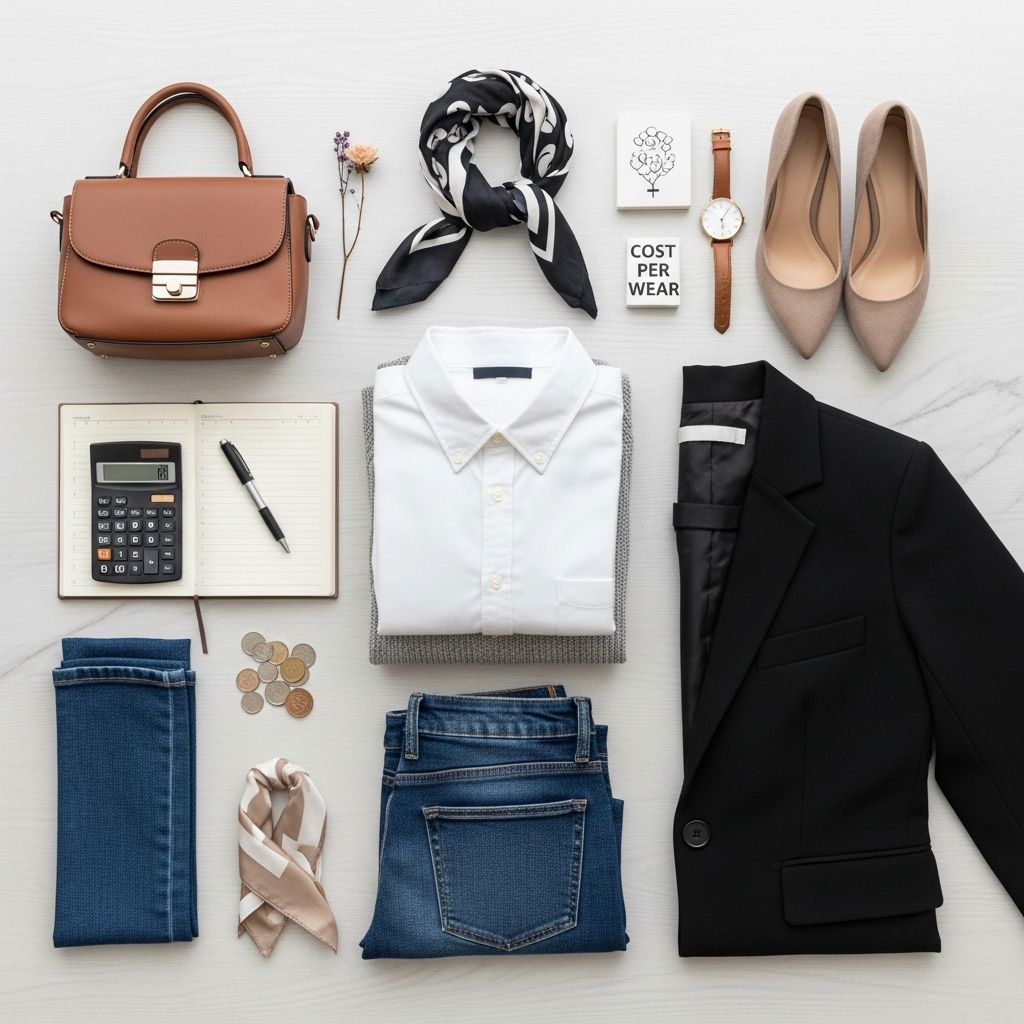
Every clothing, shoe, or accessory purchase has a hidden price tag that goes beyond the number you see at checkout. That hidden number is your cost per wear (CPW) – and once you start paying attention to it, you can dramatically cut wasteful spending and build a wardrobe you truly enjoy wearing.
Instead of focusing only on the sticker price, cost per wear helps you ask a better question: How much value am I really getting for the money I’m spending? When you begin thinking this way, impulse buys lose their appeal, and smart, well-used purchases start to stand out.
What Is Cost Per Wear?
Cost per wear is a simple way to measure the value of an item by comparing what you paid for it to how many times you actually wear it. In other words, it helps you see whether something was a smart purchase or just expensive clutter in disguise.
The basic idea is:
- The more you wear an item, the lower the cost per wear.
- The less you wear it, the higher the cost per wear – no matter how cheap it was at the register.
Thinking in terms of cost per wear can:
- Highlight which items in your closet were genuinely good investments.
- Reveal which pieces you rarely use and may want to stop buying in the future.
- Help you prioritize quality, versatility, and fit over impulse trends.
Even if an item was “on sale” or seemed like a bargain, it’s only a good deal if you actually wear it often enough to make the purchase worthwhile.
How Do You Calculate Cost Per Wear?
The formula for cost per wear is extremely straightforward. You do not need to be good at math to use it; a rough estimate is often enough to guide better choices.
The simple cost per wear formula
Here is the basic calculation:
Cost per wear = Total cost of the item ÷ Number of times you wear it
For example, imagine you want to buy a pair of sneakers that cost $100. You estimate that you will wear them twice a week for a year.
- 2 wears per week × 52 weeks = 104 wears over the year.
- $100 ÷ 104 wears ≈ $0.96 per wear.
If you stick to that plan, you are paying less than one dollar each time you wear those sneakers. Even though $100 may feel like a lot upfront, the low cost per wear suggests that this could be a very reasonable, high-value purchase.
Comparing two purchases using cost per wear
Cost per wear really becomes powerful when you start comparing items. Consider the following example:
- You own a pair of shoes that cost $150, but you have worn them only twice.
- You also own a designer handbag that cost $1,000, and you used it every day for a month.
Here is how the cost per wear plays out:
| Item | Purchase Price | Number of Wears | Cost Per Wear |
|---|---|---|---|
| Shoes | $150 | 2 | $75 per wear |
| Designer handbag | $1,000 | 30 (daily for one month) | ≈$33 per wear |
On the surface, the shoes look cheaper. But when you factor in how often you actually use them, the handbag offers better value per wear. Over time, if you keep using the handbag regularly, its cost per wear will continue to fall, while the shoes will remain an expensive, low-value purchase.
Factors to include in your calculation
For more accurate cost-per-wear estimates, it helps to consider a few extra details:
- Quality and durability: A well-made coat, bag, or pair of boots might last for years or even decades if you care for it properly.
- Expected lifespan: Some items naturally wear out faster (like inexpensive t-shirts or athletic shoes) and may need to be replaced regularly.
- Care and maintenance: Dry cleaning, speciality detergents, or repair costs add to the total cost of ownership.
By keeping these points in mind, you can decide whether a higher upfront price is justified by long-term use and performance.
Using a cost-per-wear calculator
If you dislike doing math in your head, many websites and apps offer a simple cost-per-wear calculator where you plug in the price and expected number of wears. These tools can help you quickly see whether a purchase makes sense at your current budget and lifestyle, but it is still useful to understand the formula yourself so you can make fast decisions in-store or online.
Does Cost Per Wear Mean Wearing the Same Things Constantly?
Using cost per wear does not mean you must live in the same three outfits forever or give up on style and fun. Instead, it encourages you to:
- Be more intentional with what you bring into your closet.
- Say “no” to items you know you will rarely wear.
- Say “yes” to clothing that truly matches your life and personal style.
In reality, many people considered quietly wealthy are known for buying quality pieces and wearing them often, not for constantly chasing new trends. Building a wardrobe of regularly worn, well-loved items is both financially smart and stylistically effortless.
Another bonus: focusing on cost per wear can push you toward slow fashion. Slow fashion emphasizes buying fewer items, choosing higher quality, and keeping clothes in use for longer, which helps reduce waste and environmental impact.
When you resell pieces, donate to charity, or participate in clothing swaps, you may also extend the life of your items, keeping them in circulation rather than in a landfill.
How Cost Per Wear Can Be an Eye-Opener
Most of us have garments sitting in the back of a drawer with the tags still attached or items we have worn only once. Taking a hard look at cost per wear makes these reality checks impossible to ignore.
Using the cost-per-wear formula for a few years can change how you shop and how you feel about your closet. Here is how it can be an eye-opener:
- It exposes impulse purchases: That “had to have it” dress you wore once to a party often has a shockingly high cost per wear.
- It highlights your true favorites: You may find that your most-worn items are not always the least expensive, but they make you feel confident and fit many different occasions.
- It makes future purchases more deliberate: You start to ask better questions before you buy.
Over time, you build a closet that works with your real life: your job, your climate, your activities, and your preferences. This leads to fewer “I have nothing to wear” moments, even when your closet is technically smaller.
Questions to ask before buying
Before you add something new to your wardrobe, use cost per wear as a filter by asking:
- How often will I realistically wear this?
- Can I style this with at least three things I already own?
- Does it match my current lifestyle – not a fantasy version of it?
- Will I still like this a year or two from now?
If you cannot confidently answer those questions, it is usually a good sign to pause and reconsider the purchase.
Assessing your current wardrobe with cost per wear
You can also apply the cost-per-wear method to items you already own:
- Estimate how many times you have worn each major item (coats, bags, shoes, special occasion wear, etc.).
- Divide the purchase price by that number to find the approximate cost per wear.
- Notice which categories are high-value (low cost per wear) and which are low-value (high cost per wear).
This quick review can guide future shopping decisions. For example:
- If you see that you rarely wear high heels but often wear flats and sneakers, you might decide to invest in better everyday shoes instead of more dressy pairs.
- If coats or bags you use daily have a low cost per wear, you may feel better about spending more on the next one, knowing you will get your money’s worth.
Cost Per Wear, Savings, and Your Financial Goals
Cost per wear is not just about style; it is an effective personal finance tool. Consumer spending on clothing can add up quickly, and many people underestimate how much they spend on apparel and related items each year. By being more intentional with wardrobe purchases, you free up money for savings, investing, debt payoff, or other goals.
Here is how cost per wear supports your financial plan:
- Reduces impulse spending: When every purchase has to justify itself in terms of use, you become more selective.
- Focuses on long-term value: You may shift from chasing sales to investing in durable, versatile items.
- Aligns spending with priorities: You decide how much of your budget should go to clothes versus other goals like building an emergency fund or investing for retirement.
Even small shifts, such as skipping two or three unnecessary clothing purchases per month, can compound over time and meaningfully improve your financial stability.
Simple Tips to Get the Best Cost Per Wear
Once you understand cost per wear, the next step is using it strategically. Here are practical ways to improve the value you get from every wardrobe purchase:
- Shop for your real life: Buy clothes that fit the way you actually live and work, not just how you wish your life looked on social media.
- Prioritize timeless pieces: Choose classic shapes, colors, and fabrics that you can wear across seasons and occasions.
- Ensure good fit and comfort: Even a high-quality item will sit unused if it does not fit properly or feels uncomfortable.
- Care for your clothes: Following the care label, storing items properly, and repairing instead of replacing can extend their lifespan and lower cost per wear.
- Embrace outfit repeating: Wearing your favorite pieces frequently is the point; rewearing outfits is both chic and financially efficient.
If you enjoy tracking data, you can even log how often you wear certain items in a notes app or spreadsheet. Over a few months, patterns emerge that reinforce your best purchases and help you avoid repeating past mistakes.
Frequently Asked Questions (FAQs)
Q: Is cost per wear only for expensive items?
No. Cost per wear applies to all clothing, shoes, and accessories, whether they are from a luxury brand or a discount store. A low-priced item you never wear has a higher cost per wear than a more expensive piece you use constantly.
Q: How many wears should I aim for to get good value?
There is no universal number, but many people consider an item successful if it can be worn dozens of times over its life. For everyday basics, you might aim for 50–100+ wears. For special occasion pieces, you might decide in advance how many events you will use them for.
Q: Should I always choose the cheapest cost per wear option?
Cost per wear is a guide, not a strict rule. It should be considered alongside your budget, comfort, ethics, and personal style. Sometimes you may accept a higher cost per wear for a special event or a piece that makes you feel exceptionally confident.
Q: How does cost per wear relate to sustainable fashion?
Cost per wear encourages you to buy fewer, better items and use them longer, which aligns with sustainable and slow fashion principles. Research on circular fashion highlights extending a garment’s life as one of the most effective ways to reduce its environmental footprint.
Q: Can I include resale value in my cost per wear?
Yes. If you plan to sell an item later, you can subtract the estimated resale value from the purchase price when calculating cost per wear. This works particularly well for items from brands that retain value in the secondhand market.
References
- A New Textiles Economy: Redesigning Fashion’s Future — Ellen MacArthur Foundation. 2017-11-28. https://ellenmacarthurfoundation.org/a-new-textiles-economy
- Fashion and the Circular Economy — Ellen MacArthur Foundation. 2021-09-01. https://ellenmacarthurfoundation.org/topics/fashion/overview
- Environmental Sustainability and the Apparel Industry — United Nations Environment Programme (UNEP). 2019-03-14. https://www.unep.org/news-and-stories/story/environmental-costs-fast-fashion
- Consumer Expenditures on Apparel and Services — U.S. Bureau of Labor Statistics. 2024-09-08. https://www.bls.gov/charts/consumer-spending/apparel-and-services.htm
- How America Saves — Vanguard. 2024-06-18. https://institutional.vanguard.com/content/institutional/en/products-services/retirement/howsaves.html
- Cleaning and Clothing Care — U.S. Environmental Protection Agency (EPA). 2023-05-10. https://www.epa.gov/greenhomes/cleaning-and-clothing-care
Similar Articles








Read full bio of medha deb