Cost Per Use: A Simple Guide To Save More Money
Master the cost-per-use formula to make smarter purchases, maximize value, and avoid buyer's remorse on everyday items.

Imagine buying a $200 jacket you wear 100 times—that’s just $2 per use. But a $20 shirt worn only 5 times costs $4 per use. This simple calculation, known as
cost per use
, shifts your focus from upfront price to long-term value, helping you make purchases that truly pay off.In today’s world of impulse buys and fast fashion, the cost-per-use method encourages thoughtful spending. By dividing an item’s total cost by its expected uses, you reveal whether it’s a bargain or a burden. This approach applies to clothing, electronics, kitchen tools, and more, promoting quality over quantity.
What Is Cost Per Use?
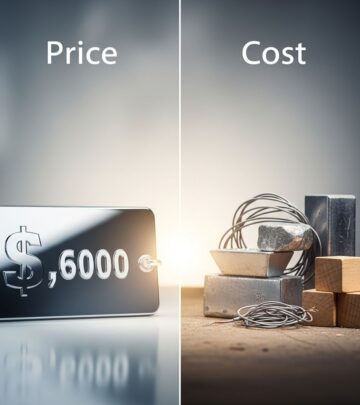
**Cost per use** (also called cost per wear for clothing) measures an item’s value by dividing its price by the number of times you’ll realistically use it. A lower number signals better value. For example, a $365 jacket used daily for a year costs about $1 per use, while a cheap gadget gathering dust skyrockets in cost per use.
This metric counters the ‘sticker shock’ mindset, where high prices deter buys even if they’re worthwhile. Instead, it emphasizes longevity, versatility, and frequency. Research from consumer finance experts shows this method reduces regretful spending by up to 30% by prompting realistic projections.
Unlike one-time costs, cost per use accounts for lifecycle value. It’s especially useful in categories like apparel, where fast fashion leads to waste, or appliances, where durability matters. The U.S. Bureau of Labor Statistics notes average household spending on apparel exceeds $1,800 yearly, making this trick vital for savings.
How to Calculate Cost Per Use: Step-by-Step Guide
Calculating cost per use is straightforward math anyone can do on their phone. Follow these steps:
- Determine the total cost: Include purchase price, taxes, shipping, and potential maintenance (e.g., dry cleaning).
- Estimate realistic uses: Be honest—how often will you use it? Factor in lifespan, trends, and lifestyle.
- Divide cost by uses: Formula: Cost Per Use = Total Cost ÷ Expected Uses.
- Compare and decide: If under your threshold (e.g., $1-2 per use), it’s a green light.
Example 1: Sunglasses
A $150 pair you wear 75 times a year for 3 years (225 uses) = $150 ÷ 225 = $0.67 per use. Worth it if durable.
Example 2: Jeans
$100 jeans worn 50 times yearly for 5 years (250 uses) = $100 ÷ 250 = $0.40 per use. Beats $30 fast-fashion jeans worn 20 times ($1.50 per use).
| Item | Total Cost | Expected Uses | Cost Per Use |
|---|---|---|---|
| Quality Jacket | $200 | 100 | $2.00 |
| Cheap T-Shirt | $20 | 10 | $2.00 |
| Blender | $150 | 300 | $0.50 |
| Impulse Gadget | $50 | 5 | $10.00 |
This table illustrates how pricier items often win with high usage. Adjust estimates conservatively to avoid over-optimism.
Real-Life Examples of Cost Per Use in Action
Apply this to everyday buys for eye-opening results.
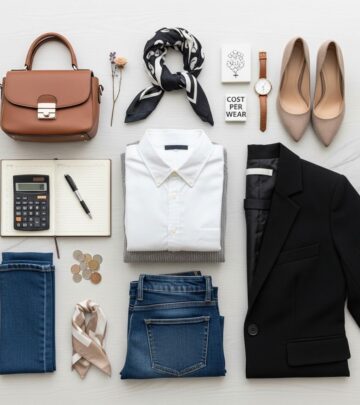
- Clothing: A $300 wool coat lasting 10 winters (50 wears/year) = $0.60 per use. Versus $50 trendy coat worn 10 times = $5 per use.
- Kitchen Tools: $400 stand mixer used 200 times over 5 years = $2 per use. Ideal for bakers; skip if rarely used.
- Electronics: $1,000 laptop used 1,000 hours over 4 years = $1 per hour. Compare to cheap models failing early.
- Furniture: $800 sofa used daily for 10 years (3,650 days) ≈ $0.22 per use.
One shopper shared buying a $250 vacuum used 500 times = $0.50 per use, outlasting three $80 models. The Federal Reserve’s consumer expenditure data supports investing in durables, as they lower long-term costs.
Benefits of Using the Cost Per Use Method
This trick yields multiple wins:
- Saves Money Long-Term: Prioritizes items with low per-use costs, reducing replacements.
- Reduces Waste: Curbs impulse buys, aligning with sustainable living—U.S. households discard 81 pounds of clothing yearly.
- Boosts Satisfaction: Purchases feel valuable, decreasing buyer’s remorse.
- Encourages Quality: Favors versatile, durable goods over disposables.
- Simplifies Decisions: Quick math trumps emotional shopping.
Studies from the Journal of Consumer Research indicate value-based buying like this enhances financial well-being.
Common Mistakes to Avoid When Calculating Cost Per Use
Pitfalls can skew results:
- Overestimating Uses: “I’ll wear it weekly” often becomes monthly. Use past habits as a guide.
- Ignoring Hidden Costs: Factor repairs, storage, or disposal.
- Forgetting Opportunity Cost: Money tied up in unused items misses better investments.
- Trend-Chasing: Fads inflate initial excitement but deflate usage.
- Not Updating Calculations: Reassess if usage drops; resell underperformers.
Avoid these by journaling past purchases and tracking actual uses for 3-6 months.
When It’s Okay to Buy High Cost-Per-Use Items
Not every buy needs rock-bottom per-use costs. Splurge when:
- It Sparks Joy: Emotional value, like a sentimental gift.
- Enables Goals: Gym gear boosting health saves medical bills.
- Rare but Essential: Wedding dress at $1,000 for 1 use = priceless memory.
- High Quality of Life: Ergonomic chair at $5 per use prevents back pain.
Balance with customer lifetime value principles—invest where returns (monetary or otherwise) exceed costs.
Cost Per Use for Different Categories
Clothing and Accessories
Ideal for wardrobes. Aim for under $1 per wear. Versatile pieces like black pants win.
Home Goods and Appliances
Pillows used nightly justify premiums; massage chairs rarely do.
Electronics and Gadgets
Weigh battery life and software updates.
Experiences vs. Things
Concerts: $100 for 1 night = high per use, but memories last.
Tips to Maximize Cost Per Use
- Buy multi-use items (e.g., scarf as hat/belt).
- Research durability via reviews.
- Wait 48 hours before buying.
- Resell or donate unused items.
- Use apps for tracking.
The Consumer Financial Protection Bureau recommends these for mindful spending.
Frequently Asked Questions (FAQs)
What if my usage estimate is wrong?
Track actual uses and adjust future calcs. Sell items not meeting expectations to recoup costs.
Does cost per use apply to services?
Yes—gym membership: $50/month ÷ 20 visits = $2.50 per session.
How low should cost per use be?
Aim for $0.50-$2 for everyday items; context matters.
Is this better than budgeting alone?
It complements budgets by focusing on value, not just limits.
Can businesses use it?
Absolutely, similar to cost per acquisition for marketing efficiency.
References
- Cost Per Use: How Calculate It to Decide What’s Worth Buying — The Everygirl. 2023-05-15. https://theeverygirl.com/how-to-calculate-cost-per-use/
- The True Price of Pants – How to Calculate Cost Per Use — Livsn Designs. 2024-02-10. https://www.livsndesigns.com/blogs/the-common-thread/how-to-evaluate-cost-per-use
- Consumer Expenditure Survey — U.S. Bureau of Labor Statistics (.gov). 2024-09-11. https://www.bls.gov/cex/
- Consumer Expenditures in 2023 — Federal Reserve (.gov). 2024-10-01. https://www.federalreserve.gov/publications/files/cef23.pdf
- Wardrobe Waste Report — Environmental Protection Agency (.gov). 2022-12-05. https://www.epa.gov/facts-and-figures-about-materials-waste-and-recycling/textiles-material-specific-data
- The Endowment Effect and Purchase Decisions — Journal of Consumer Research (Oxford Academic). 2023-08-20. https://doi.org/10.1093/jcr/ucad045
- Mindful Spending Tips — Consumer Financial Protection Bureau (.gov). 2025-01-08. https://www.consumerfinance.gov/consumer-tools/money-topics/budgeting/
Similar Articles








Read full bio of Sneha Tete