True Cost Of Boat Ownership: What It Really Costs In 2025
Understanding the true expenses of boat ownership: maintenance, insurance, storage, and more.
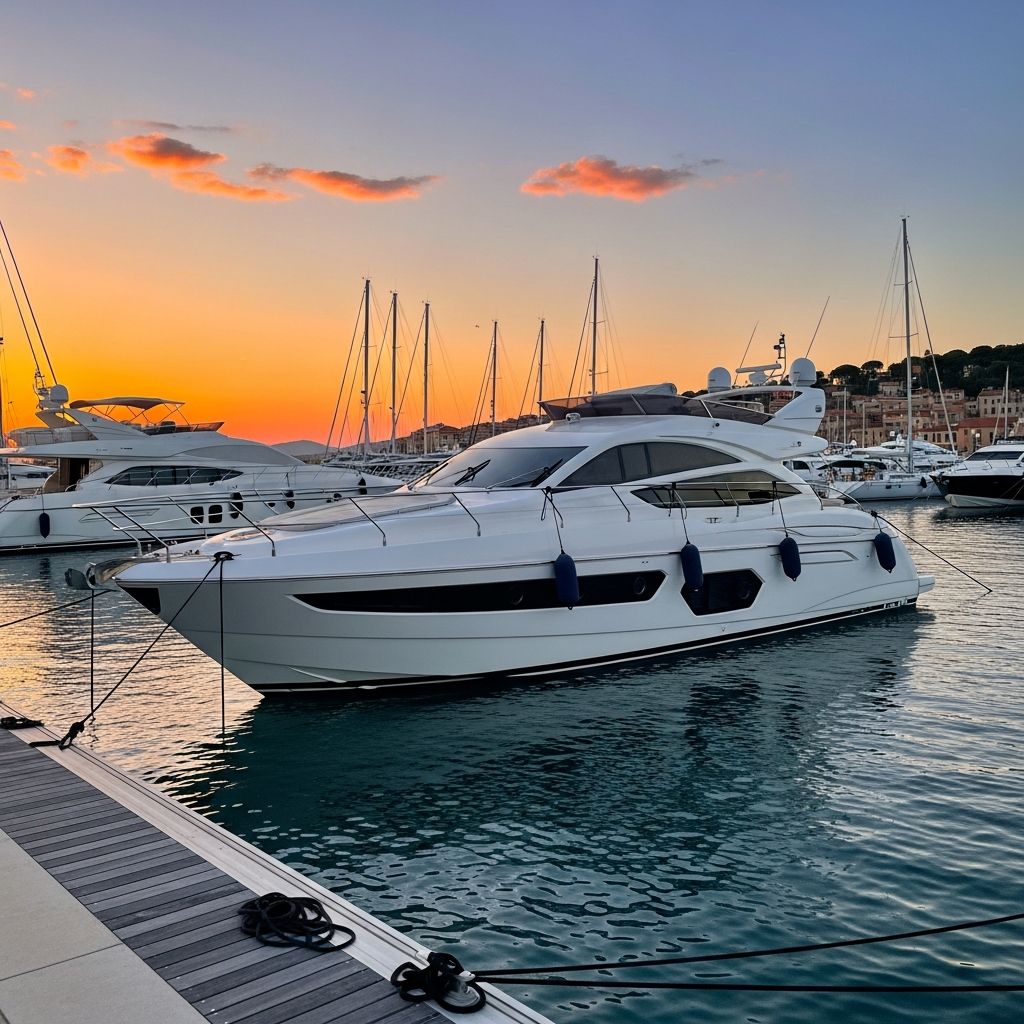
Understanding the True Cost of Boat Ownership
Boat ownership can be an exciting lifestyle choice, but it comes with substantial financial responsibilities that extend far beyond the initial purchase price. Whether you’re dreaming of weekend getaways on the water or considering a boat as an investment, understanding the full spectrum of ownership costs is essential for making an informed financial decision. The true cost of boat ownership encompasses multiple expense categories that accumulate throughout the year, and many first-time buyers are surprised by the magnitude of these ongoing expenses.
The average boat owner spends significantly more than just the monthly loan payment. In fact, according to the U.S. Coast Guard, the average boat is only used 54 days per year, yet owners must maintain their vessels year-round. This statistic underscores the importance of carefully evaluating whether boat ownership aligns with your usage patterns and financial capacity.
The Initial Purchase Price
The starting point for boat ownership begins with the purchase price, which varies dramatically based on the type and size of vessel you choose. According to BoatGroup’s 2024 Midyear Report, the average price for a new boat is approximately $174,000, though this figure represents only a midpoint in a wide spectrum of options.
Boat prices are heavily influenced by several key factors:
Size considerations: Smaller boats under 26 feet average around $52,000, while 26-foot boats average approximately $91,000. At the higher end, boats ranging from 36 to 45 feet cost an average of $327,000. Luxury yachts and premium vessels can exceed these figures by substantial margins.
Boat type variations: Different boat styles command vastly different price points. Pontoon boats range from $10,000 to $80,000, while sailboats can be found for as little as $5,000. Specialty vessels like catamarans, speedboats, and fishing boats each occupy distinct price ranges within the market.
New versus used: New boats command premium prices, while used boats offer more affordable entry points. The National Boat Owners Association reports that average costs for new boats range between $15,000 and $75,000, though luxury vessels can cost millions.
Annual Maintenance and Operating Costs
Beyond the purchase price, boat owners face substantial annual costs that must be budgeted carefully. The average annual cost to own and maintain a boat ranges from $5,000 to $8,000, not including monthly loan payments. This significant expense represents one of the most critical factors in boat ownership affordability.
Maintenance costs typically equal approximately 10 percent of the boat’s purchase price annually. For example, a $40,000 boat would require approximately $4,000 per year in maintenance expenses alone. This percentage can vary based on the boat’s age, condition, and usage patterns, with newer boats sometimes requiring less maintenance initially but older vessels potentially requiring more substantial repairs.
Key components of annual boat ownership costs include:
State taxes and registration fees represent recurring annual obligations that vary by location and boat type. These administrative costs ensure your vessel remains properly registered and compliant with state regulations.
Insurance is a non-negotiable expense for responsible boat owners. Boat insurance typically costs between 1 and 5 percent of the boat’s insured value annually, with rates varying based on factors such as the vessel type, usage patterns, location, and the owner’s boating experience.
Fuel expenses depend heavily on the boat’s size, engine type, and usage frequency. Larger vessels with powerful engines consume more fuel, while boats used extensively will have proportionally higher fuel costs. Fuel represents one of the most variable expenses in boat ownership.
Docking and mooring fees apply for boat owners who keep their vessels in marinas or waterfront facilities. These fees vary dramatically based on location, ranging from modest amounts in rural areas to premium prices in desirable coastal locations.
Winter storage becomes necessary in cold climates where water freezes seasonally. Professional storage facilities protect boats from harsh weather and ice damage, representing a significant expense for owners in northern regions.
Safety equipment and navigation systems require regular maintenance and periodic updates. Properly functioning safety gear is essential for responsible boating and may include life jackets, fire extinguishers, flares, and modern navigation electronics.
Financing a Boat Purchase
Most boat buyers cannot afford the full purchase price in cash and turn to boat loans to make ownership possible. Understanding boat financing options helps you make the most affordable decision for your situation.
Down payment requirements: Lenders typically require down payments ranging from 10 to 30 percent of the total purchase price. This substantial upfront cash requirement impacts your liquid assets and emergency reserves, making it important to ensure you maintain adequate financial cushion.
Loan terms: Most lenders offer boat loans with repayment terms up to 15 years, with some lenders extending terms to 20 years. Unsecured boat loans typically max out around seven years. Shorter terms result in less total interest paid but higher monthly payments, while longer terms spread costs over more months but increase total interest expense.
Interest rates: In 2025, average boat loan rates range between 7% and 10%, though rates can vary from as low as 5.9% to as high as 30% depending on factors including credit score, boat age and type, and overall economic conditions. Borrowers with excellent credit may qualify for competitive rates starting around 6.99% APR.
When calculating whether a boat loan is affordable, consider using this guideline: if your debt-to-income ratio is higher, boat payments shouldn’t exceed 5 percent of your monthly gross income. With a lower debt-to-income ratio, you may comfortably accommodate payments up to 10 percent of gross income. For example, with $5,000 monthly gross income, payments should not exceed $500 monthly under normal circumstances.
Cost Comparison: Buying Versus Renting
For many potential boat enthusiasts, renting represents a more financially sensible option than purchasing. Evaluating your usage patterns helps determine whether buying or renting makes better financial sense.
Boat rental costs: Rental prices vary significantly based on boat type and location, typically ranging from a minimum of $125 per hour with two to three-hour minimums. Luxury yachts can reach $10,000 per day, while more modest recreational boats cost substantially less. Some rental companies charge daily rates ranging from hundreds to thousands of dollars.
When renting makes sense: If you boat infrequently—perhaps one or two times annually—renting is considerably cheaper than ownership. You avoid the substantial burden of maintenance, insurance, storage, and registration fees. Rental is ideal for testing different boat types before committing to purchase or enjoying occasional water recreation without year-round financial obligations.
When buying makes sense: If you plan to use a boat regularly throughout the year, purchasing becomes more cost-effective over time. The break-even point depends on rental rates in your area, your boat preferences, and local ownership costs, but frequent boaters typically save money by owning.
Creating Your Boat Ownership Budget
Developing a comprehensive budget ensures you can comfortably afford boat ownership without financial strain. Begin by calculating the total boat cost, including the purchase price, taxes, registration, and initial safety equipment.
Next, factor in annual operating costs. Add up estimated maintenance (10 percent of purchase price), insurance (1-5 percent of insured value), fuel based on your anticipated usage, docking or storage fees, and any other location-specific expenses. Don’t forget state taxes, registration renewals, and periodic equipment upgrades.
If financing, calculate monthly loan payments using your anticipated interest rate, down payment amount, and desired loan term. Then add one-twelfth of annual expenses to your monthly loan payment to understand your true monthly boat ownership cost.
Finally, stress-test your budget by calculating the daily cost of boat use. Divide your total annual ownership cost by the number of days you anticipate using the boat. If you plan to use your boat 50 days annually and your annual cost is $7,000, your actual cost per day of use reaches $140—information that may shift your perspective on value.
Hidden Costs and Considerations
Beyond the obvious expenses, boat owners encounter various hidden costs that accumulate over time. Registration renewals occur annually or biennially depending on your state. Safety certifications and boating education courses may be required or recommended. Financing costs include not just interest but also loan fees and potential insurance requirements.
Trailer maintenance and towing vehicle expenses arise if you don’t keep your boat at a dock permanently. Navigational equipment upgrades become necessary as technology evolves. Emergency repairs can appear unexpectedly, potentially requiring substantial out-of-pocket spending for engine work, hull repairs, or electrical system replacement.
Frequently Asked Questions
Q: What is the average cost of owning a boat per year?
A: The average annual cost to own and maintain a boat ranges from $5,000 to $8,000, not including monthly loan payments. This figure covers maintenance, insurance, fuel, storage, docking fees, taxes, and registration. The exact amount varies based on boat size, type, location, and usage frequency.
Q: How much should I budget for boat maintenance?
A: Plan to spend approximately 10 percent of your boat’s purchase price annually on maintenance. For a $40,000 boat, this means budgeting $4,000 per year. This percentage helps ensure your vessel remains in proper operating condition and addresses wear and tear from regular use.
Q: Is boat insurance expensive?
A: Boat insurance typically costs between 1 and 5 percent of the boat’s insured value annually. The exact rate depends on factors including the boat type, your experience level, coverage options selected, location, and the insurance company. Comparison shopping among insurers can help you find competitive rates.
Q: How much should I put down when buying a boat?
A: Most lenders require down payments ranging from 10 to 30 percent of the boat’s purchase price. A larger down payment reduces your loan amount and monthly payments, while a smaller down payment preserves your cash for other financial goals and emergencies.
Q: Is renting a boat cheaper than buying?
A: For infrequent boaters, renting is significantly cheaper than buying. However, if you boat regularly throughout the year, purchasing becomes more cost-effective. Compare your anticipated usage days against rental rates in your area to determine the break-even point.
Q: What affects boat loan interest rates?
A: Interest rates depend on your credit score, the boat’s age and type, loan term length, down payment amount, and current economic conditions. In 2025, rates range from approximately 5.9% to 30%, with competitive rates for excellent credit starting around 6.99% APR.
Q: How often does the average boat owner use their boat?
A: According to the U.S. Coast Guard, the average boat is used only 54 days per year. This statistic underscores the importance of evaluating whether frequent usage justifies the substantial annual ownership costs and ongoing maintenance obligations.
References
- BoatGroup 2024 Midyear Report — BoatGroup. 2024. Boat pricing data and market analysis.
- U.S. Coast Guard Recreational Boating Statistics — U.S. Department of Homeland Security. U.S. Coast Guard. Official recreational boating usage and safety statistics.
- National Boat Owners Association Market Data — National Boat Owners Association. Average boat pricing and ownership trends.
- Boat Loan Interest Rates in 2025: What To Know — Boat Trader. 2025. https://www.boattrader.com/research/boat-loan-rates/
- How to Finance a Boat: Lender Options and Alternatives — Bankrate. Boat financing guidance and cost considerations.
Similar Articles








Read full bio of Sneha Tete