The Cost of Making an iPhone: Breaking Down Production Expenses
Discover the real expenses behind iPhone manufacturing, from materials to labor and assembly.
The Cost of Making an iPhone: Understanding Production Economics
When you purchase an iPhone, you’re not just buying the device itself—you’re paying for years of research and development, innovative engineering, premium components, and a carefully orchestrated global manufacturing process. Understanding the true cost of manufacturing an iPhone reveals fascinating insights into modern electronics production, supply chain management, and how major technology companies structure their profit margins. The gap between what it costs Apple to produce an iPhone and what consumers pay at retail illustrates the value proposition of technological innovation and brand premium.
Raw Materials and Components: The Foundation of Cost
The most substantial portion of iPhone manufacturing costs comes from raw materials and electronic components. Typically, raw materials account for approximately $450 to $500 of the total manufacturing cost, depending on the specific model and the quality of components selected. This figure encompasses the essential building blocks that form the physical device consumers hold in their hands.
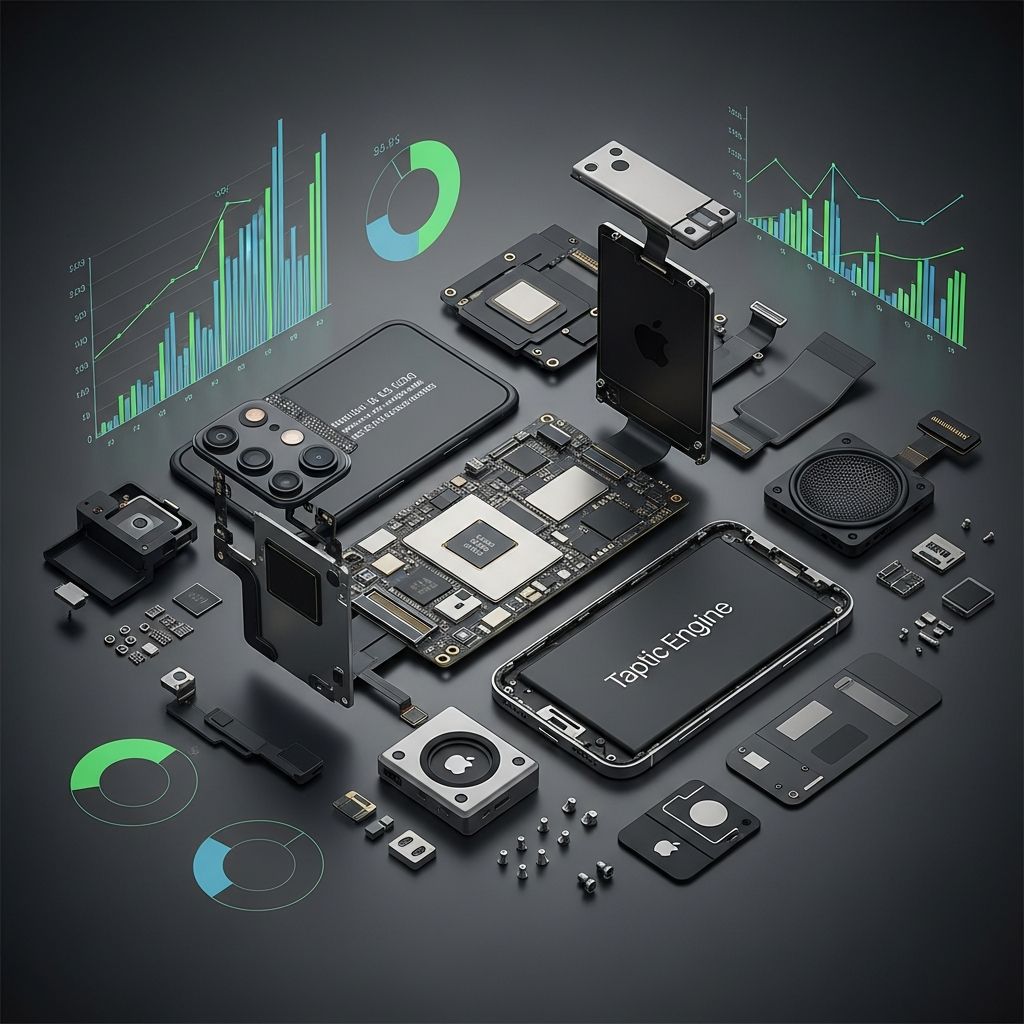
The material composition of an iPhone includes several critical components that collectively determine the quality and performance of the final product. The display screen represents one of the most expensive components, requiring advanced technology and precision manufacturing. High-resolution OLED or LCD screens demand significant investment in production facilities and quality control measures. The processor chip, developed specifically for the iPhone, represents another major cost factor, incorporating millions of transistors and requiring sophisticated semiconductor fabrication techniques.
Additional material costs include the aluminum or stainless steel frame that provides structural integrity, glass for both the front and back surfaces, and various internal components such as the battery, circuit boards, camera modules, and wireless connectivity hardware. The battery alone constitutes a substantial portion of component costs, as it must meet strict safety standards and deliver reliable performance throughout the device’s lifespan. Memory storage chips, whether NAND flash for storage or DRAM for RAM, contribute significantly to per-unit material expenses, with higher-capacity models commanding premium component costs.
Labor and Manufacturing: Building the Device
While automation has transformed modern electronics manufacturing, labor costs remain a significant factor in the total production expense. Manufacturing labor accounts for a relatively modest percentage of the total cost compared to materials, typically representing $10 to $15 per unit, though this varies based on production location and wage rates in different countries. This relatively low labor cost reflects both the efficiency of modern manufacturing processes and the outsourcing strategies employed by Apple and its manufacturing partners.
The assembly process for an iPhone involves coordinating thousands of precision workers and automated systems working in synchronized harmony. Primary manufacturing partners operate massive facilities capable of assembling millions of units monthly. The process requires specialized training, quality control procedures, and adherence to strict specifications to ensure each device meets Apple’s standards. Workers perform both manual tasks requiring human dexterity and oversight roles directing sophisticated robotic assembly equipment.
Manufacturing efficiency has improved dramatically through experience and technological advancement. Assembly lines have been refined through millions of units produced, with manufacturers continuously implementing process improvements that reduce defects and waste. Automated robotic systems handle repetitive tasks, while skilled technicians manage quality assurance, testing, and troubleshooting. The coordination required to manage component inventory, track production progress, and ensure timely delivery adds complexity to labor management but remains a relatively small portion of overall costs.
Logistics and Transportation: Moving Products Globally
Getting an iPhone from the manufacturing facility to retail locations worldwide represents a complex logistical challenge with associated costs. Transportation and logistics typically add $10 to $25 per unit to the total manufacturing cost, depending on the shipping method and destination. International shipping from primary manufacturing centers in Asia to distribution hubs and retail locations across North America, Europe, and other regions requires coordination among multiple logistics providers.
The supply chain for iPhone components itself involves significant logistics expenses. Suppliers worldwide ship individual components to assembly facilities, requiring coordination, tracking, and inventory management. Temperature control, security measures, and expedited shipping for time-sensitive components add to logistics costs. Once assembled, finished devices move through distribution networks involving warehouses, regional distribution centers, and ultimately retail locations or direct-to-consumer shipping channels.
The timing of product launches necessitates careful logistics planning to ensure adequate inventory reaches retail channels simultaneously across different regions. This requires coordination with shipping companies, customs clearance in multiple countries, and adherence to import regulations. The logistics infrastructure supporting iPhone distribution represents a competitive advantage for Apple, enabling rapid product availability and minimizing delays that could disadvantage sales.
Research and Development: Innovation Investment
While not directly included in the per-unit manufacturing cost breakdown, Apple’s substantial research and development investments must be amortized across the millions of iPhones sold annually. Apple invests billions of dollars annually in developing new technologies, refining existing features, designing hardware and software integration, and exploring future innovations. These costs include salaries for engineers, designers, and technical staff; facilities for research laboratories and design studios; prototype development and testing; and licensing fees for proprietary technologies.
Development costs for each new iPhone generation include extensive research into user preferences, competitive analysis, and emerging technologies. Design refinement involves thousands of iterations before achieving the final form factor. Software integration requires ongoing development and optimization to ensure seamless hardware-software interaction. Security research and development protects user data and privacy through advanced encryption and security protocols. Environmental impact assessment and sustainable manufacturing innovation increasingly consume R&D resources as Apple pursues environmental goals.
When amortized across hundreds of millions of units sold, R&D costs add a modest amount to the per-unit cost, though the investment in innovation justifies premium pricing and maintains Apple’s competitive positioning in the smartphone market.
Marketing and Distribution: Creating Demand
Apple’s brand value and market success depend substantially on marketing investments that communicate product features, build brand loyalty, and create consumer demand. Marketing expenses, while separate from manufacturing costs, influence retail pricing and profit margins. These costs include advertising campaigns across television, digital, and print media; celebrity endorsements and partnerships; event marketing including product launch events; and retail environment design that creates distinctive brand experiences.
Distribution channel management and retail partnerships require ongoing investment in training, promotional materials, and point-of-sale support. Direct-to-consumer channels through Apple’s website and retail stores demand investment in e-commerce infrastructure, store design, and staff training. Marketing and distribution costs typically represent $20 to $30 per unit when amortized across annual sales volumes.
Manufacturing Cost Summary and Breakdown
The following table summarizes typical iPhone manufacturing costs by category:
| Cost Category | Approximate Cost per Unit | Percentage of Total |
|---|---|---|
| Raw Materials & Components | $450-$500 | 75-80% |
| Labor | $10-$15 | 2-3% |
| Logistics & Transportation | $10-$25 | 2-4% |
| Marketing & Distribution | $20-$30 | 3-5% |
| Other Operating Costs | $15-$25 | 3-5% |
| Total Manufacturing Cost | $505-$595 | 100% |
Retail Price and Profit Margin Analysis
When an iPhone retails for $999, the manufacturer’s suggested retail price reflects not only manufacturing costs but also retailer margins, carrier subsidies (in markets where applicable), and Apple’s profit. If total manufacturing costs approximate $500-$600 per unit, the significant gap between this cost and retail price might suggest enormous profit margins. However, the full picture is more complex.
Retailers typically purchase iPhones at wholesale prices representing approximately 20-30% discounts from retail price. A $999 iPhone might cost a retailer around $700-$800, with the retailer earning $200-$300 per unit sold. Apple’s revenue per unit falls between wholesale price and suggested retail price, but must cover corporate overhead, salaries for thousands of employees, store operations, research facilities, and profit for shareholders.
When corporate operating expenses are amortized across hundreds of millions of units sold annually, the per-unit contribution to overhead becomes meaningful. Apple’s operational efficiency and high sales volumes enable the company to maintain healthy profit margins while investing substantially in future innovation. Gross profit margins on iPhone sales typically range from 35-45%, allowing Apple to fund operations, investments, and shareholder returns while maintaining competitive pricing in the smartphone market.
Cost Variations Across iPhone Models
Different iPhone models carry different manufacturing costs based on their features, specifications, and component quality. Premium models with larger displays, additional camera systems, advanced processors, and increased storage capacity command higher component costs. Pro models featuring specialized imaging sensors and enhanced performance chips cost more to produce than standard models. Regional variants requiring different wireless connectivity components add to manufacturing complexity and costs.
Higher-capacity storage models require more expensive memory chips, but the incremental cost is typically less than the price increase charged to consumers. Larger displays involve higher component costs but also enable premium pricing. The most significant cost differentiators involve processor performance, camera system sophistication, and display technology quality.
Competitive Context and Supply Chain Dynamics
iPhone manufacturing costs must be understood within the competitive smartphone market. Competing Android manufacturers face similar material costs for equivalent components but often operate with lower profit margins. The smartphone market’s maturity means component suppliers achieve economies of scale serving multiple manufacturers. Price competition puts pressure on profit margins, making manufacturing efficiency critical to financial success.
Supply chain disruptions, component shortages, and geopolitical factors influence manufacturing costs over time. Trade tensions, tariffs, and manufacturing location considerations affect where components are sourced and assembled. Battery technology improvements and new materials may reduce future manufacturing costs while enabling new features.
Frequently Asked Questions About iPhone Manufacturing Costs
Q: Why is there such a large gap between manufacturing cost and retail price?
A: The gap reflects retailer margins, Apple’s corporate operating expenses, research and development investments, marketing costs, store operations, and profit for shareholders. High sales volumes allow Apple to achieve economies of scale while maintaining healthy profitability.
Q: Do manufacturing costs vary significantly between different iPhone models?
A: Yes, manufacturing costs vary based on display technology, processor capabilities, camera systems, storage capacity, and materials used. Premium models with advanced features cost more to produce than standard models, though the cost differences are typically less than the price differences charged to consumers.
Q: How have iPhone manufacturing costs changed over time?
A: Manufacturing costs have generally remained relatively stable as component improvements are offset by economies of scale in production. Initial generations had higher per-unit costs that declined as production volumes increased and manufacturing processes were optimized.
Q: Where are iPhones manufactured?
A: Primary iPhone assembly occurs in facilities operated by manufacturing partners in Asia, primarily China and India, though component sourcing occurs globally. Manufacturing partnerships allow Apple to focus on design and innovation while leveraging specialized manufacturing expertise.
Q: What percentage of iPhone retail price represents profit for Apple?
A: iPhone gross profit margins typically range from 35-45%, but net profit after operating expenses, taxes, and other costs is considerably lower. This profitability enables Apple to invest in future innovation while providing returns to shareholders.
References
- Breaking Down the True Cost to Manufacture an iPhone: Materials, Labor, and More Explained — DHGate. 2024. https://smart.dhgate.com/breaking-down-the-true-cost-to-manufacture-an-iphone-materials-labor-and-more-explained/
Similar Articles








Read full bio of medha deb