Cost of Goods Sold (COGS): Definition & Calculation
Understand COGS and how it impacts your business profitability and financial statements.

What is Cost of Goods Sold (COGS)?
Cost of Goods Sold, commonly abbreviated as COGS, represents the direct costs of producing goods that a company sells during a specific period. It includes all expenses directly tied to the manufacturing or acquisition of products, such as raw materials, direct labor, and factory overhead. COGS is a fundamental accounting concept that appears on the income statement and serves as a critical metric for assessing a company’s profitability and operational efficiency.
Understanding COGS is essential for business owners, accountants, and investors because it directly impacts gross profit, net income, and tax liability. The difference between revenue and COGS yields gross profit, which is then used to cover operating expenses and generate net income. A well-managed COGS can significantly improve a company’s bottom line and competitive positioning in the marketplace.
Key Components of COGS
COGS consists of several direct cost categories that vary depending on the industry and business model:
- Raw Materials: All materials that become part of the finished product, such as steel, fabric, or chemical compounds.
- Direct Labor: Wages and benefits paid to employees who directly manufacture or produce goods, excluding administrative and sales staff.
- Manufacturing Overhead: Direct factory costs including utilities, equipment depreciation, and factory rent that are necessary for production.
- Cost of Inventory: The actual cost to acquire or produce inventory held for sale.
- Cost of Merchandise: For retail businesses, the wholesale cost of goods purchased for resale.
What COGS Does NOT Include
It is equally important to understand what expenses are excluded from COGS, as these are typically classified as operating expenses:
- Sales and Marketing Expenses: Advertising, promotional activities, and sales commissions.
- Distribution Costs: Shipping, warehousing, and delivery expenses for completed products.
- Administrative Salaries: Wages for office staff, management, and executives not involved in production.
- Rent and Utilities: Office space costs and general business facility expenses.
- Research and Development: Costs associated with developing new products or services.
- General and Administrative Expenses: Office supplies, accounting fees, and insurance.
How to Calculate COGS
The standard formula for calculating Cost of Goods Sold is:
COGS = Beginning Inventory + Purchases During Period – Ending Inventory
Alternatively, this can be expressed as:
COGS = Beginning Inventory + Cost of Purchases – Ending Inventory
Let’s break down each component:
- Beginning Inventory: The value of inventory at the start of the accounting period.
- Purchases During Period: The total cost of all inventory purchased or manufactured during the period.
- Ending Inventory: The value of unsold inventory remaining at the end of the accounting period.
By subtracting ending inventory from the sum of beginning inventory and purchases, you determine how much inventory was actually sold and converted to revenue during the period.
COGS Calculation Example
Consider a furniture manufacturing company with the following figures for the fiscal year:
- Beginning Inventory: $50,000
- Purchases and Manufacturing Costs: $300,000
- Ending Inventory: $60,000
COGS Calculation:
$50,000 + $300,000 – $60,000 = $290,000
This means the company’s cost of goods sold for the year was $290,000. If the company generated $500,000 in revenue, the gross profit would be $210,000 ($500,000 – $290,000).
Inventory Valuation Methods
The method used to value inventory significantly impacts the COGS calculation. Different valuation methods can result in different COGS figures and, consequently, different tax liabilities. The three primary inventory valuation methods are:
1. First-In, First-Out (FIFO)
Under the FIFO method, the oldest inventory items are assumed to be sold first. This method assumes that goods purchased or produced first are the first to be sold. During periods of inflation, FIFO typically results in lower COGS and higher gross profit because older, cheaper inventory is recorded as sold. This method closely reflects the actual physical flow of goods in most businesses.
2. Last-In, First-Out (LIFO)
The LIFO method assumes that the most recently acquired inventory is sold first. This approach is often used during inflationary periods because it matches current costs with current revenues, resulting in higher COGS and lower taxable income. However, LIFO can create an undervalued inventory on the balance sheet if inflation persists over time. It’s important to note that LIFO is not permitted under International Financial Reporting Standards (IFRS), though it remains acceptable under U.S. Generally Accepted Accounting Principles (GAAP).
3. Weighted Average Cost
This method calculates the average cost of all inventory items available for sale during the period and applies this average cost to both COGS and ending inventory. The weighted average method provides a middle ground between FIFO and LIFO and results in moderate COGS figures. This method is easier to implement and reduces the impact of price fluctuations.
Why COGS Matters
COGS is a critical metric that influences several important business decisions and financial outcomes:
Impact on Gross Profit Margin
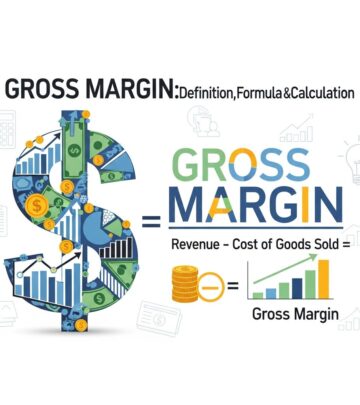
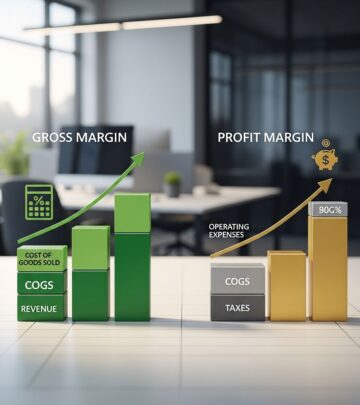
Gross profit is calculated as Revenue minus COGS. A lower COGS relative to revenue results in a higher gross profit margin, indicating greater efficiency in production. Companies with strong gross margins have more resources to invest in growth, research, and development.
Tax Deductions
COGS is deductible from gross revenue on tax returns, reducing taxable income. Accurate calculation and documentation of COGS can result in significant tax savings. Businesses must maintain detailed records of all costs included in COGS for tax compliance and audit purposes.
Profitability Assessment
Comparing COGS to revenue over multiple periods helps identify trends in production efficiency. Rising COGS relative to revenue may signal increased material costs, labor challenges, or manufacturing inefficiencies that require management attention.
Competitive Positioning
Companies with lower COGS can maintain competitive pricing while preserving margins, allowing them to gain market share. Understanding and controlling COGS is essential for long-term business competitiveness.
COGS on the Income Statement
On the income statement, COGS appears as a line item below total revenue. The typical structure is:
| Line Item | Amount |
|---|---|
| Total Revenue | $500,000 |
| Cost of Goods Sold (COGS) | ($290,000) |
| Gross Profit | $210,000 |
| Operating Expenses | ($120,000) |
| Operating Income | $90,000 |
COGS vs. Operating Expenses
One of the most common accounting mistakes is misclassifying operating expenses as COGS. This distinction is critical because it affects both the reported gross profit and tax liability. COGS includes only direct production costs, while operating expenses include all other business costs necessary to operate the company. Properly categorizing these expenses ensures accurate financial reporting and compliance with accounting standards.
Reducing COGS Strategies
Businesses can implement several strategies to reduce COGS and improve profitability:
- Negotiate Better Supplier Rates: Work with suppliers to reduce material costs through bulk purchasing or long-term contracts.
- Improve Production Efficiency: Invest in technology and process improvements to reduce waste and labor hours.
- Optimize Inventory Management: Implement just-in-time inventory systems to reduce carrying costs and minimize obsolescence.
- Source Alternative Materials: Find cost-effective alternatives to expensive raw materials without compromising quality.
- Outsource Non-Core Functions: Consider outsourcing certain manufacturing processes to specialized providers with lower costs.
- Increase Scale: Expand production volume to benefit from economies of scale and lower per-unit costs.
Frequently Asked Questions (FAQs)
Q: Is COGS the same as the cost of revenue?
A: While the terms are often used interchangeably, they can differ slightly depending on the industry. For product-based businesses, COGS and cost of revenue are essentially the same. For service-based businesses, cost of revenue may include labor and project-specific expenses directly related to delivering services.
Q: Can COGS be greater than revenue?
A: Yes, COGS can exceed revenue, resulting in a negative gross profit. This situation indicates the company is losing money on every sale and is unsustainable long-term. It typically signals pricing problems, manufacturing inefficiencies, or excessive input costs.
Q: How does COGS affect cash flow?
A: While COGS affects profitability through the income statement, it impacts cash flow through inventory management. Purchasing inventory consumes cash before it’s sold, while the accounting recognition of COGS through depreciation or amortization may not involve cash outflow.
Q: Which inventory method results in the lowest taxes during inflation?
A: During inflation, LIFO (Last-In, First-Out) typically results in the lowest taxes because it matches higher current costs with current revenues, reducing taxable income. However, LIFO is not permitted under IFRS and may create balance sheet distortions.
Q: How often should COGS be calculated?
A: COGS is typically calculated at the end of each accounting period—monthly, quarterly, or annually—depending on the company’s reporting requirements and accounting practices. Most publicly traded companies calculate COGS quarterly and annually.
Q: What is the difference between COGS and expense?
A: COGS represents direct costs tied to producing goods sold, while expenses include all other business costs. COGS directly reduces gross profit, whereas other expenses reduce operating income and net income.
References
- Generally Accepted Accounting Principles (GAAP) – Inventory Valuation — Financial Accounting Standards Board (FASB). 2024. https://www.fasb.org
- International Financial Reporting Standards (IFRS) – IAS 2 Inventories — International Accounting Standards Board (IASB). 2024. https://www.ifrs.org
- Internal Revenue Service (IRS) – Business Income and Expenses — U.S. Department of the Treasury. 2024. https://www.irs.gov/businesses/small-businesses-self-employed/business-income-and-expenses
- The Balance – Understanding Cost of Goods Sold — Dotdash Meredith. 2024. https://www.thebalancemoney.com/cost-of-goods-sold-357494
Similar Articles








Read full bio of medha deb