Cost to Microchip a Dog: Pricing & Benefits
Complete guide to dog microchipping costs, benefits, and what pet owners need to know.
Cost to Microchip a Dog: Pricing, Benefits, and Everything You Need to Know
Microchipping is one of the most reliable ways to ensure your dog can be identified and reunited with you if they ever become lost. Unlike traditional ID tags that can fall off or become unreadable, a microchip provides permanent identification that lasts your dog’s entire lifetime. However, many pet owners wonder about the cost of this procedure and whether it’s worth the investment. Understanding the pricing structure and benefits can help you make an informed decision about protecting your furry companion.
Understanding Dog Microchips
A dog microchip is a tiny device, roughly the size of a grain of rice, that contains a unique registration number linked to your contact information. The microchip itself is encased in a glass cylinder that is biocompatible, meaning it won’t harm your dog’s body or cause rejection. When a lost dog is found and brought to a veterinary clinic or animal shelter, the microchip can be scanned to retrieve your information, allowing authorities to contact you and reunite you with your pet.
The technology works through radiofrequency identification (RFID), which means the microchip doesn’t require a battery or any active components. It’s completely passive and will function indefinitely once implanted. This permanence is one of the key advantages over traditional ID methods.
How Microchipping Works
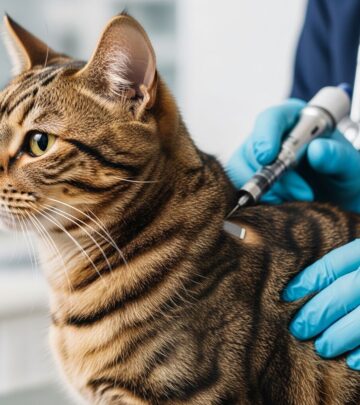
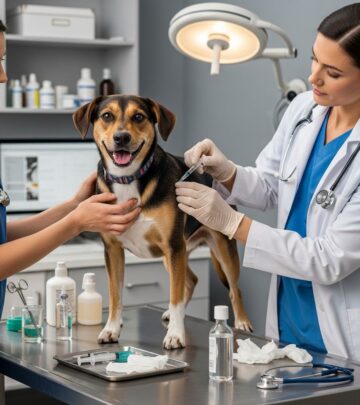
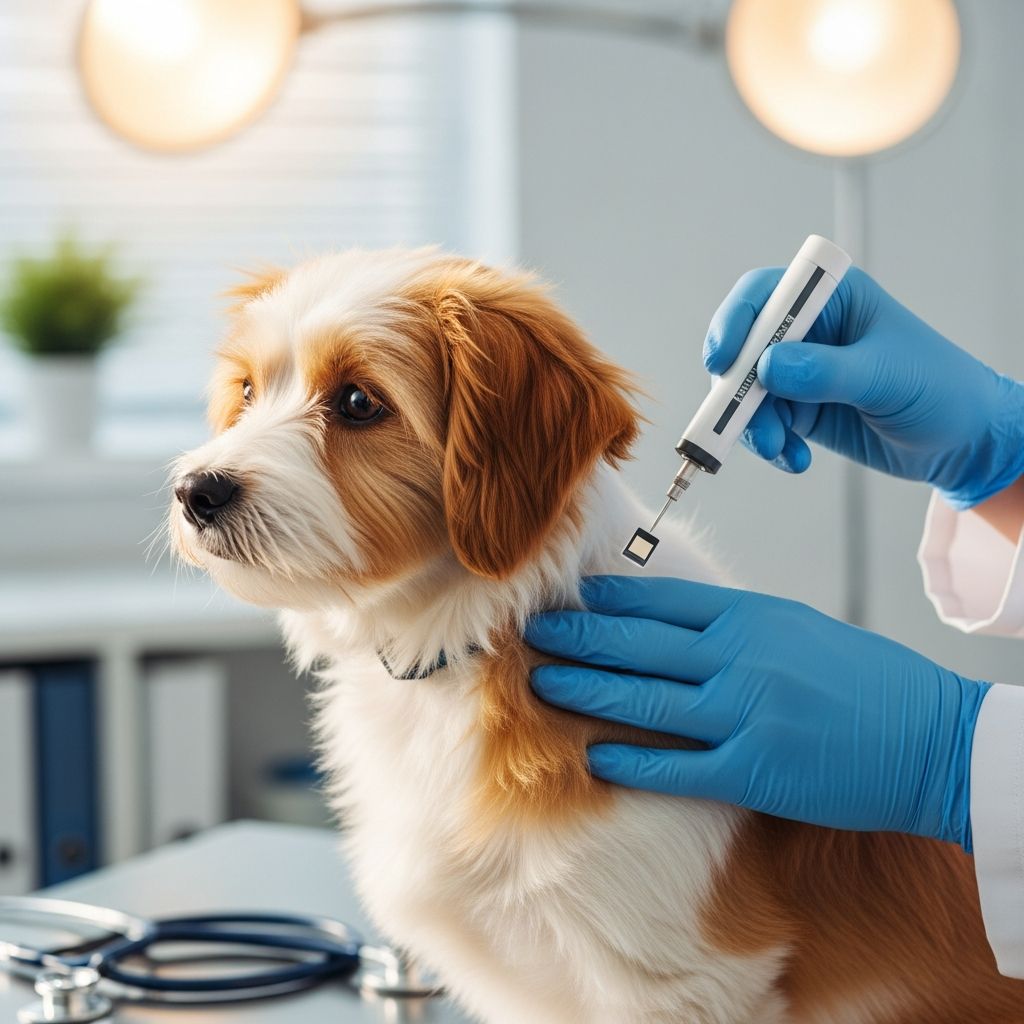
The microchipping process is straightforward and minimally invasive. A veterinarian uses a specialized syringe to inject the microchip beneath the skin between your dog’s shoulder blades. The entire procedure takes only a few seconds and requires no anesthesia or sedation, though many vets choose to implant microchips during routine procedures like spaying or neutering when the dog is already under anesthesia.
The needle used for microchip implantation is slightly larger than a standard injection needle, but most dogs tolerate the procedure well. The sensation is similar to a routine vaccination, and discomfort is minimal and short-lived. Some veterinarians may apply numbing cream to the area a few minutes before the procedure to further reduce any discomfort.
Typical Microchipping Costs
The cost of microchipping a dog varies depending on your location, the veterinary clinic, and the specific microchip brand being used. Generally, microchipping costs range from $25 to $60 per dog, with most clinics charging between $40 and $50. Some animal shelters and rescue organizations offer discounted microchipping services, sometimes as low as $15 to $25, making it an affordable option for budget-conscious pet owners.
It’s important to note that the microchip cost itself is relatively inexpensive; the primary expense is the professional implantation service provided by the veterinarian. When your dog is microchipped during a spay, neuter, or other surgical procedure where they’re already under anesthesia, the microchip implantation fee is often added to your overall surgical costs but may be discounted since no additional anesthesia is required.
Registration Fees and Ongoing Costs
One critical aspect of microchipping that pet owners must understand is that the microchip itself is only useful if it’s properly registered. After implantation, you must register the microchip with the manufacturer’s database and provide your contact information. This registration process is essential because shelters and veterinary clinics can scan the chip and retrieve the manufacturer’s information, allowing them to contact you.
Registration fees vary by microchip manufacturer. Some companies charge a one-time registration fee of $10 to $20, while others provide lifetime registration at no additional cost. Many manufacturers, such as PetLink, offer free lifetime registration with no yearly renewal fees, making these options more economical long-term. It’s crucial to ask your veterinarian about the specific microchip brand they use and the associated registration costs before the procedure.
Some microchip registries also charge if you need to update your contact information after the initial registration. However, many modern registries allow free updates, so you should verify this with your chosen provider.
Cost Comparison Table
| Service Provider | Implantation Cost | Registration Cost | Total Initial Cost |
|---|---|---|---|
| Private Veterinary Clinic | $40-$60 | $0-$20 | $40-$80 |
| Animal Shelter | $15-$25 | $0-$15 | $15-$40 |
| During Spay/Neuter Surgery | $20-$40 | $0-$20 | $20-$60 |
| Low-Cost Clinic | $25-$35 | $0-$15 | $25-$50 |
Benefits of Microchipping Your Dog
Permanent Identification: Unlike collar tags that can become lost or damaged, a microchip provides permanent identification that your dog carries for life. Once implanted, it cannot fall off or become illegible.
Increased Reunion Rates: Studies show that microchipped dogs have significantly higher chances of being reunited with their owners. Shelters can immediately scan for a microchip and contact the owner, versus relying on an ID tag that may not contain current information.
Safety and Security: A microchip is a small, internal device that cannot be removed by thieves or accidentally lost. This makes it a secure form of identification for valuable or show dogs.
Travel Documentation: Some countries and airlines require microchipping for international travel, making it necessary if you plan to travel with your dog internationally.
Legal Protection: In some jurisdictions, microchipping can provide legal proof of pet ownership in disputes or if your dog is lost and claimed by another person.
The Microchipping Procedure Step-by-Step
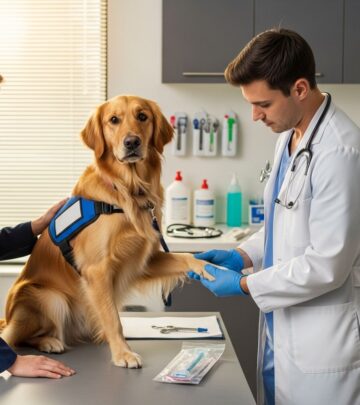
Step 1: Pre-Procedure Check — Your veterinarian will scan your dog first to ensure they don’t already have a microchip. Multiple microchips can sometimes cause confusion, especially if one belonged to a previous owner.
Step 2: Preparation — The veterinarian may apply numbing cream to the injection site, though this isn’t always necessary. The area between the shoulder blades is cleaned and prepped using aseptic precautions.
Step 3: Implantation — The microchip, pre-loaded in a sterile syringe, is quickly injected beneath the skin. The needle is angled slightly and inserted at the base of the tented skin between the shoulder blades, with the needle bevel facing upward. The procedure takes only a few seconds.
Step 4: Verification — The veterinarian immediately scans the implantation site to verify that the microchip is functioning correctly and has been fully inserted. Keeping your pet calm for 24 hours after implantation is recommended.
Step 5: Registration — Your veterinarian will provide you with the microchip number and instructions for registering it with the manufacturer. You must complete this step immediately for the microchip to be effective.
Is Microchipping Painful?
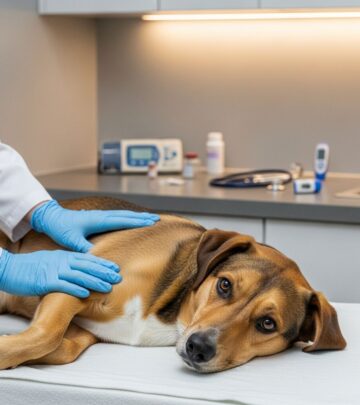
Microchipping is not considered a painful procedure. The sensation is comparable to a routine vaccination, with most dogs experiencing only minimal, temporary discomfort. The needle used is slightly larger than a standard injection needle, but the procedure is quick, taking only a few seconds. Dogs generally tolerate the procedure very well without requiring sedation or anesthesia.
There are no notable risks or significant side effects associated with microchipping. Occasionally, a small amount of bleeding may occur at the injection site, but this is very rare. The microchip is biocompatible and won’t cause rejection or adverse reactions in your dog’s body.
Common Concerns About Microchips
Do Microchips Fail? Microchips are designed to last a dog’s entire lifetime, and failure is uncommon. However, in rare cases, a microchip may become unreadable by a scanner. If this occurs, you can have another microchip implanted. Factors like excess fat deposits, metal on a collar, or dirty or matted coat can sometimes interfere with scanning.
Can Microchips Be Removed? Yes, microchips can be surgically removed if medically necessary, but this requires general anesthesia and surgery. Unless medically warranted—which is extremely rare—microchip removal is not performed.
Are All Scanners Compatible? Various microchip manufacturers exist, and not all RFID scanners can detect every microchip brand. Shelters and veterinary clinics typically maintain several different scanners to ensure they can read any microchip.
Frequently Asked Questions About Dog Microchipping
Q: How much does it cost to microchip a dog?
A: Microchipping typically costs between $25 and $60, with most clinics charging $40 to $50. Animal shelters may offer discounted services for $15 to $25. Registration fees vary from free to $20, depending on the manufacturer.
Q: Does my dog need anesthesia for microchipping?
A: No, anesthesia is not required for microchipping. The procedure takes only a few seconds and is no more uncomfortable than a routine vaccination. However, if your dog is already under anesthesia for another procedure, the microchip can be implanted at that time.
Q: What happens if I don’t register the microchip?
A: An unregistered microchip is essentially useless. Shelters and veterinary clinics can scan the chip and identify the manufacturer, but without your contact information registered in their database, they cannot contact you or return your dog.
Q: How long do microchips last?
A: Microchips are designed to last your dog’s entire lifetime. They require no battery or maintenance and will function indefinitely once implanted.
Q: Can I update my contact information after registration?
A: Yes, you can update your contact information with the microchip registry. Many providers offer free updates, though some may charge a fee. It’s important to keep your information current so you can be reached if your dog is found.
Q: What if my dog already has a microchip?
A: Your veterinarian will scan your dog before implantation to check for an existing microchip. If one is present, they will look up the microchip number to identify the associated company and contact information.
Q: Is microchipping painful for dogs?
A: Microchipping is minimally painful, similar to a routine vaccination. Most dogs experience only brief discomfort during the quick injection. No anesthesia is required, and dogs can resume normal activities immediately.
Q: Where is the microchip placed in a dog?
A: The microchip is implanted beneath the skin between the shoulder blades, a location that provides optimal readability and is standard across veterinary practices.
Q: Do I need to renew my microchip registration yearly?
A: This depends on the microchip manufacturer. Some companies, like PetLink, offer lifetime registration with no renewal fees. Others may require periodic renewal. Check with your specific registry for their renewal policies.
Q: Can a microchip be read by any scanner?
A: Different microchip manufacturers use different frequencies, so not all scanners can read every microchip brand. However, most veterinary clinics and shelters maintain multiple scanners to read all common microchip types.
Making the Decision: Is Microchipping Worth the Cost?
Given the relatively low cost of microchipping and the significant benefits, most veterinarians and animal welfare organizations strongly recommend this procedure for all dogs. The initial investment of $40 to $60 is minimal compared to the potential outcome of being reunited with a lost pet. Many pet owners consider microchipping essential pet care, similar to vaccinations and regular check-ups.
For maximum protection, microchipping should be combined with traditional ID tags and collar identification. This multi-layered approach ensures that your dog has the best chance of being identified and returned to you if ever lost. The peace of mind that comes from knowing your dog has permanent, reliable identification is invaluable to most pet owners.
References
- Microchip Implant Instructions — AKC Reunite. Accessed 2025. https://www.akcreunite.org/howtomicrochip/
- Pet Microchipping FAQs — American Animal Hospital Association (AAHA). Accessed 2025. https://www.aaha.org/resources/pet-microchipping-faqs/
- Dog Microchips: Common Questions and Answers — PetMD. Accessed 2025. https://www.petmd.com/dog/general-health/dog-microchips-common-questions-and-answers
- Understanding The Dog Microchipping Process and Purpose — Animal Hospital of Statesville. Accessed 2025. https://www.ahofstatesville.com/services/dog-microchip
- Microchipping 101 — Zoetis Petcare. Accessed 2025. https://www.zoetispetcare.com/blog/article/microchipping-101
- Dog Microchips – The New Vet Recommended Dog ID Tags — Hudson Animal Hospital NYC. Accessed 2025. https://www.hudsonanimalhospitalnyc.com/services/dogs/dog-microchip/
- 5 Things You Need to Know About Microchipping Your Pet — Virginia Tech College of Veterinary Medicine. 2023. https://vetmed.vt.edu/news/2023/microchipping-your-pet.html
Similar Articles








Read full bio of medha deb