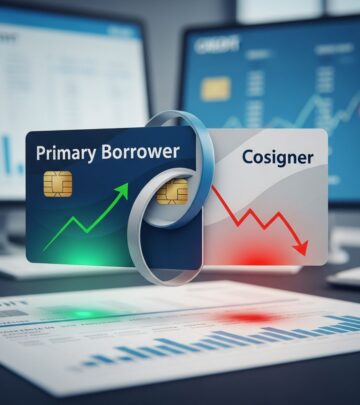
Cosigning Loans: Risks and Rewards
Explore the benefits and serious risks of cosigning a loan before committing your credit and finances.

Cosigning a loan means stepping in as a financial backstop for someone else, often a family member or close friend struggling to secure credit on their own. This act of support can unlock opportunities for the primary borrower but carries substantial obligations for the cosigner. Understanding the mechanics, advantages, pitfalls, and protective measures is crucial before signing on the dotted line.
Understanding the Role of a Loan Cosigner
A cosigner agrees to share full responsibility for a debt, making them equally accountable if the primary borrower fails to pay. Lenders view this as reduced risk, often approving loans that might otherwise be denied and offering more favorable terms like lower interest rates. The loan appears on both parties’ credit reports, intertwining their financial profiles.
For borrowers with limited credit history, low scores, or high debt levels, a cosigner’s strong credit and income can tip the scales. This is common for student loans, auto financing, or apartments where deposits are involved. However, the cosigner must have the capacity to cover payments without strain, as lenders will scrutinize their finances too.
Key Advantages for Borrowers and Cosigners
Cosigning delivers clear upsides, primarily for the borrower but potentially for the cosigner as well.
- Access to Financing: Borrowers with thin or poor credit histories gain approval odds, essential for major purchases like vehicles or education.
- Better Loan Terms: Qualified rates and payments drop, saving thousands over time through reduced interest.
- Credit Building: On-time repayments bolster the borrower’s history; for cosigners, it diversifies credit mix and adds positive payment records.
- Support for Loved Ones: Helps young adults or those rebuilding finances achieve independence sooner.
Table: Potential Savings from Cosigner Involvement
| Scenario | Without Cosigner | With Cosigner | Estimated Savings |
|---|---|---|---|
| $20K Auto Loan (5 yrs) | 12% APR, $32/mo interest | 7% APR, $18/mo interest | $1,200 |
| $50K Student Loan (10 yrs) | 10% APR | 6% APR | $8,500 |
Note: Savings based on average rates; actuals vary by credit and lender.
Major Financial Risks for Cosigners
While benefits shine for borrowers, cosigners face steep downsides that demand careful evaluation.
Full Legal Liability
Cosigners promise to repay the entire balance, fees, and collections if the borrower defaults. This isn’t secondary liability—lenders pursue cosigners equally, potentially through wage garnishment or lawsuits.
Credit Score Vulnerabilities
The loan impacts the cosigner’s score via hard inquiries (temporary dip) and payment history (35% of FICO). Late payments linger seven years, tanking scores and future borrowing power.
Debt-to-Income Ratio Strain
New debt counts fully toward DTI, complicating personal loans or mortgages. Lenders cap DTI at 36-43%; exceeding this signals risk.
Chart-like summary in table form:
| Risk Factor | Impact on Cosigner | Duration |
|---|---|---|
| Late Payments | Score drop 60-110+ points | 7 years |
| Default/Collections | Severe damage, denials | 7 years |
| DTI Increase | Harder approvals | Until loan paid |
Relationship and Tax Complications
Beyond finances, cosigning tests personal bonds. If payments falter, cosigners may need to cover costs, leading to resentment or legal battles for reimbursement—often straining family ties.
Student loans pose unique traps: Non-dischargeable in bankruptcy, leaving cosigners liable indefinitely. Debt forgiveness triggers taxable income for cosigners.
Strategies to Protect Yourself as a Cosigner
Mitigate risks with proactive steps.
- Assess Affordability: Ensure you can handle payments alongside your debts.
- Monitor the Account: Request login access or statements to catch issues early.
- Secure a Side Agreement: Document reimbursement terms in writing, though not always enforceable.
- Credit Monitoring: Use free tools to track reports and scores.
- Explore Alternatives: Suggest secured cards, small loans, or borrower financial counseling first.
Removing Yourself from a Cosigned Loan
Exiting is challenging. Options include:
- Refinance: Borrower qualifies solo, releasing you.
- Payoff: Full repayment removes obligation.
- Legal Release: Rare, lender-approved only if borrower proves stability.
Student loans rarely allow early exit without full satisfaction.
Ideal Candidates and When to Decline
Cosign for reliable borrowers with solid income plans and temporary credit gaps, like new grads. Decline if they show poor habits, unstable jobs, or if your finances are tight.
FAQs
Does cosigning affect my credit if payments are on time?
Yes, positively—it builds history and mix without harm.
Can I remove my name later?
Typically via refinance or payoff; not easily.
What if the borrower declares bankruptcy?
You’re still liable, especially for student debt.
Should I cosign for a family member?
Only with full risk awareness and trust; relationships can suffer.
How much does a late payment hurt my score?
60-100+ points initially, depending on profile.
Final Thoughts on Cosigning Decisions
Weigh helping others against personal exposure. Educate both parties, prioritize open talks, and consider if the borrower’s growth justifies your risk. When in doubt, alternatives like gifts or joint planning preserve peace.
References
- Loan Cosigners: Weighing the Pros and Cons — Nelnet Bank. 2023. https://www.nelnetbank.com/learning-center/loan-cosigner-pros-cons/
- Cosigning a Loan: Risks and Benefits — The Maryland People’s Law Library. 2024-01-15. https://www.peoples-law.org/cosigning-loan-risks-and-benefits
- Pros and Cons of Cosigning a Loan — Experian. 2025-02-10. https://www.experian.com/blogs/ask-experian/pros-and-cons-of-cosigning-a-loan/
- Things To Consider Before Cosigning A Loan — Launch Credit Union. 2024. https://www.launchcu.com/blog/benefits-cosigning-a-loan/
- What you should know before co-signing a loan — FCBN. 2023-11-20. https://fcnb.ca/en/guides/what-you-should-know-before-co-signing-a-loan
- Co-signing a Loan: Risks and Benefits — NerdWallet. 2025-03-01. https://www.nerdwallet.com/personal-loans/learn/co-signing-a-loan
Similar Articles








Read full bio of medha deb