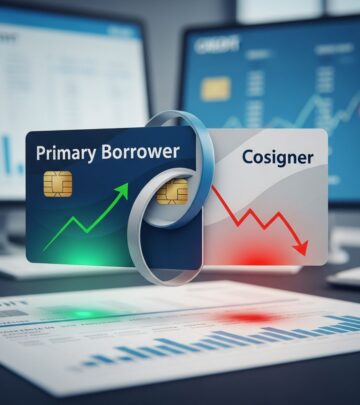
Cosigner Explained: Guide To Risks, Benefits, And Alternatives
Unlock the essentials of cosigning: benefits, pitfalls, and smart strategies for borrowers and guarantors alike.

A cosigner is an individual who pledges to cover a loan’s repayment if the primary borrower defaults, enabling access to credit for those with insufficient qualifications.Cosigners provide lenders with added assurance, often resulting in better terms like lower rates.
Defining the Role of a Cosigner
In financial terms, a cosigner acts as a secondary obligor on a debt agreement. This person does not receive loan proceeds but assumes equal liability for the full amount, including principal, interest, and fees. Lenders frequently request cosigners for applicants lacking stable income, short credit histories, or poor scores. Common scenarios include vehicle financing, home purchases, education funding, and rental agreements.
The arrangement binds the cosigner legally from the outset. Payment records appear on both parties’ credit files, influencing scores positively or negatively based on performance. Unlike joint borrowers, cosigners hold no ownership claim to purchased assets.
Why Borrowers Seek Cosigners
Primary borrowers benefit significantly when creditworthiness falls short. A strong cosigner can bridge gaps in income verification or score thresholds, turning rejections into approvals. This support often yields favorable conditions:
- Lower annual percentage rates (APRs), reducing total costs.
- Higher approved amounts for larger needs like homes or vehicles.
- Smaller upfront deposits on leases or rentals.
- Access to premium lenders previously out of reach.
For young adults or recent immigrants building U.S. credit, cosigners accelerate financial independence. Students pursuing higher education frequently rely on parental backing for private loans, where federal options prove insufficient.
Advantages for Primary Borrowers
| Benefit | Description | Example Impact |
|---|---|---|
| Approval Odds | Increases chances for those with thin files | From denial to full approval |
| Interest Savings | Better rates via cosigner’s profile | 2-4% APR reduction |
| Larger Limits | Qualifies for bigger principals | $10K more on auto loan |
| Term Flexibility | Extended repayment periods | 60 vs 36 months |
These gains compound over time, fostering credit growth through consistent payments reported jointly.
Cosigner’s Perspective: Potential Upsides
While risks dominate discussions, cosigning offers rewards for willing parties. Successful repayment bolsters the cosigner’s profile:
- Payment History Boost: On-time records enhance scores, a key FICO factor.
- Relationship Building: Aids family or friends in milestones like college or homeownership.
- Credit Mix Diversification: Adds installment debt variety.
Parents view student loan cosigning as an investment in offspring’s future earning power, especially with release clauses after milestones like 24 on-time payments.
The Hidden Dangers of Cosigning
Cosigning exposes participants to substantial hazards. Primary among them: full repayment liability if the borrower falters. Lenders pursue cosigners aggressively post-default, potentially via lawsuits or wage garnishment.
- Credit Damage: Late payments or delinquencies harm scores for up to seven years.
- Debt Burden: Unexpected obligations strain personal budgets.
- Borrowing Constraints: Elevated debt-to-income (DTI) ratios hinder future approvals.
Statistics underscore frequency: around 25-30% of cosigned loans experience primary default, thrusting cosigners into payment roles. Relationship fractures often follow financial disputes.
Credit Implications Analyzed
Cosigned debts register as personal obligations on credit reports from bureaus like Equifax, Experian, and TransUnion. Positive history aids; negatives devastate:
| Scenario | Impact on Cosigner Score | Duration |
|---|---|---|
| On-Time Payments | Positive (35% FICO weight) | Indefinite |
| 30-Day Late | -100 points or more | 7 years |
| Default/Collection | -150+ points | 7 years |
| Hard Inquiry (Application) | -5 points temporary | 2 years |
DTI calculations incorporate minimum payments, potentially exceeding 36-43% lender thresholds for new credit.
Types of Loans Involving Cosigners
Not all debts accommodate cosigners equally. Mortgages, autos, and private student loans commonly do; secured cards and most credit cards rarely.
- Auto Loans: Frequent for young drivers.
- Mortgages: FHA allows with conditions.
- Student Loans: Private versions heavily reliant.
- Personal Loans: Unsecured options for emergencies.
- Apartment Leases: Security deposit reductions.
Steps Before Committing as Cosigner
Thorough vetting mitigates regrets:
- Review borrower’s budget, income stability, and debt load.
- Verify your capacity to assume full payments without hardship.
- Examine loan terms: APR, fees, prepayment penalties.
- Request autopay setup and payment confirmations.
- Discuss exit strategies like refinancing post-credit improvement.
Secure written agreements on responsibilities beyond lender contracts.
Alternatives to Traditional Cosigning
Risk-averse parties explore safer paths:
- Secured Loans: Collateral like savings secures approval sans cosigner.
- Credit-Builder Loans: Small, reported payments build history.
- Authorized User Status: Piggyback on established cards (no liability).
- Gift Funds:
- Co-Applicant: Shared ownership, mutual control.
Direct cash for down payments.
Legal Obligations and Lender Actions
Cosigners forfeit borrower protections like right to funds disclosure. Defaults trigger collections, lawsuits, and liens. Federal Trade Commission advises clear understanding of state laws on guarantor rights.
Courts hold cosigners jointly liable; bankruptcy by one impacts both. Communication with lenders post-issues may yield forbearance, but no guarantees.
Building Credit Without Cosigners
Borrowers circumvent cosigners via:
- Secured credit cards depositing savings as limit.
- Retail store cards with lenient criteria.
- Peer-to-peer lending platforms assessing alternative data.
- Income-share agreements for education.
Consistent utility payments reported via services enhance profiles gradually.
Frequently Asked Questions
Can I remove myself as a cosigner?
Options include borrower refinancing solo after score improvement or lender release clauses met. No automatic removal exists.
Does cosigning build my credit?
Yes, if payments stay current; the account diversifies mix and proves reliability.
What if the borrower declares bankruptcy?
You remain liable; discharge affects only primary filer.
Are cosigners reported to credit bureaus?
Yes, fully, as if primary debt.
Should parents cosign student loans?
Only if affordable and with release provisions; federal aid preferable first.
Final Thoughts on Wise Cosigning
Cosigning demands trust, financial readiness, and open dialogue. Borrowers gain doors opened; cosigners risk stability. Weigh pros against pitfalls, explore alternatives, and consult advisors for tailored guidance. Responsible use strengthens finances long-term.
References
- Cosigning a Loan: Risks and Benefits — The Maryland People’s Law Library. 2023. https://www.peoples-law.org/cosigning-loan-risks-and-benefits
- What Is a Co-Signer? Pros & Cons of Co-Signing — Capital One. 2024-01-15. https://www.capitalone.com/learn-grow/money-management/what-is-a-cosigner/
- What is a Co-Signer? — Equifax. 2024. https://www.equifax.com/personal/education/loans/articles/-/learn/co-signer-pros-and-cons/
- Does Cosigning Affect Your Credit? Understand the Risks — American Express. 2023-11-20. https://www.americanexpress.com/en-us/credit-cards/credit-intel/does-being-a-cosigner-affect-your-credit/
- Co-signing a Loan: Risks and Benefits — NerdWallet. 2025-02-01. https://www.nerdwallet.com/personal-loans/learn/co-signing-a-loan
- Cosigning a Loan FAQs — Federal Trade Commission. 2023. https://consumer.ftc.gov/articles/cosigning-loan-faqs
Similar Articles








Read full bio of Sneha Tete